


Tipperary Fire Chief Slams Social Media Misinformation During Slievenamon Wildfire as Council Hails Emergency Response
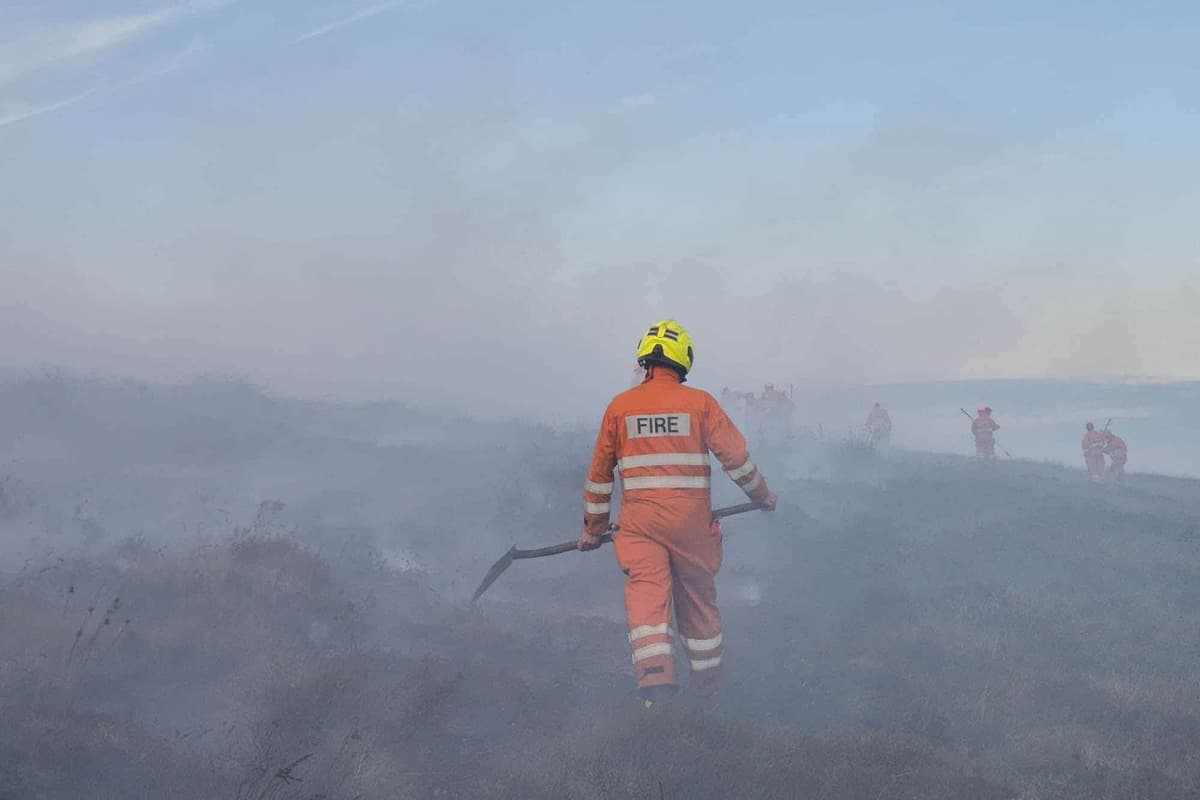
Tipperary’s senior fire officer has issued a stinging rebuke against social media users who spread misinformation during the recent Slievenamon wildfire, saying their actions did nothing to assist the emergency response and only added to the pressure on crews battling the blaze for days. Speaking at the monthly meeting of Tipperary County Council, Chief Fire Officer John Shinners told councillors that a number of things posted online during the crisis did not help the Fire Service resolve the incident, “to put it mildly.” His remarks came as the council formally acknowledged the extraordinary efforts of firefighters, emergency staff, councillors and mainstream media in countering an information vacuum that threatened to undermine public confidence during a fast-moving and dangerous emergency. The wildfire on Slievenamon, a prominent mountain in County Tipperary, saw crews working around the clock for days, with the fire spreading across hillsides and requiring large-scale coordination. Mr. Shinners’s comments reflect growing concerns among emergency services nationwide about the damaging role of unverified social media content during major incidents, which can fan panic, spread false claims and distract from authoritative operational updates. In this case, the council was forced to launch regular daily press briefings to ensure the public received accurate information, a move that was credited with stabilising the situation and reassuring communities affected by the smoke, flames and disruption.
Mr. Shinners, who leads Tipperary Fire and Rescue Service, made his remarks in the context of a broader discussion about the operational challenges posed by the wildfire and the wider communication battle that accompanied it. He paid explicit tribute to local and national media for refusing to amplify the misinformation and for instead relying on official Fire Service briefings, which provided verified updates on the spread of the fire, road closures, public safety warnings and the resources deployed. The Chief Fire Officer’s understated but pointed criticism of social media content suggested that some posts went beyond harmless speculation and actively created difficulties for the command structure overseeing the response. Emergency services across Ireland have previously warned about the dangers of civilians posting live commentary during incidents, with some even attempting to direct operations or spreading rumours about the adequacy of fire brigade resources. During the Slievenamon fire, such posts risked undermining morale among firefighters, confusing local residents and making it harder for official messages to cut through. Mr. Shinners’s decision to raise the issue at a public council meeting signals that the Fire Service is determined to confront the issue head-on, rather than quietly accept a situation in which unaccountable online commentary can shape public perception of a crisis.
The emotional weight of the debate was brought home by Acting Assistant Chief Fire Officer Carol Kennedy, who led the emergency response on the ground. She echoed Mr. Shinners’s praise for the local and national media, saying they were very supportive in getting the Fire Service’s message out and helped to calm any panic arising in the public. Ms. Kennedy also paid tribute to the council’s Corporate Services staff for their tireless work in sending out more than 20 press releases during the emergency, providing regular updates to the media and public about the wildfire and the firefighting operation. Those releases played a crucial role in informing people about the dynamic nature of the fire, weather-related risks and the safety advice being issued by responders. Additionally, she acknowledged councillors across the county for getting the correct information out to their constituents during the crisis, often acting as trusted local voices at a time when anxiety was high. The sheer scale of the communication effort, involving dozens of updates over several days, highlights how seriously the council took its duty to keep the public informed. It also demonstrates how a modern emergency response requires not just fire engines, water tankers and aerial support, but a coordinated media operation capable of countering falsehoods and providing clear, reliable guidance to communities living near and far from the event.
Council CEO Sinead Carr then added her own thanks to councillors and mainstream media, describing the task of getting correct information out to the public as “unfortunately genuinely difficult.” Her words acknowledged the reality that misinformation travels quickly and often outpaces official statements, particularly on platforms where emotion, rumour and attention-seeking behaviour can thrive. Ms. Carr spoke about the deep trust the public have in their councillors and how valuable this was during the crisis, suggesting that elected representatives served as a crucial bridge between the emergency response and the communities affected. Her comments underscored a broader lesson: in a crisis, trusted local figures are often the most effective means of dispelling fear and directing people to official sources. The council’s decision to keep the public informed through regular press briefings, press releases and direct engagement with councillors was clearly instrumental in preventing the wildfire from becoming a broader public safety and communications disaster. While the fire itself posed a severe physical threat, the council believed that the parallel battle against panic and disinformation was just as important to winning the overall response, protecting both lives and property and maintaining public confidence in the institutions tasked with managing the emergency.
Carrick-on-Suir Sinn Féin councillor David Dunne expressed strong disappointment at the social media content, saying that people “giving a running commentary” and “attention seeking” made the situation a lot worse and put people in fear. He singled out one particular video that angered him, which claimed there wasn’t a fire brigade to be seen up on the mountain. That video, he said, caused upset to hardworking firefighters, many of them from Carrick-on-Suir, and to their partners, who were already worrying about their loved ones fighting in dangerous conditions. “The last thing you needed was a shower of yahoos thinking they knew best,” he declared, summing up the frustration felt by many in the emergency services. Mr. Dunne’s comments were particularly striking because they highlighted the human cost of misinformation, not just in terms of public panic but in the morale of firefighters themselves. To hear that their efforts were not visible or appreciated, despite long hours and considerable personal risk, was deeply demoralising and could only add to the stress of an already gruelling operation. His remarks also reflected a wider community pride in the fire service, and a determination that those who volunteer or work in such roles should be respected and supported rather than second-guessed by anonymous online critics with no practical experience of firefighting.
Mayor of Clonmel councillor Siobhan Ambrose brought the discussion to a close with a heartfelt tribute to the firefighters who left their families and stayed away overnight for days to combat the fire. She said when something big like this happens, everybody has an opinion, but the situation the Fire Service dealt with was unprecedented. It was not like a regular fire, with the wind changing the situation time after time, making the mountain unpredictable and forcing crews to constantly adapt their tactics. The Fianna Fáil councillor paid tribute to the firefighters who made real personal sacrifices, noting, “I think people don’t realise the sacrifice they made.” Her words served as a reminder that behind the operational statistics and official updates, there were individual men and women who spent night after night away from home, enduring fatigue, smoke and heat to protect the landscape and nearby communities. The Slievenamon wildfire will be remembered not only as a major emergency but also as a test of how Tipperary’s institutions, from the fire service to the council to elected politicians, responded to the twin challenges of an unpredictable blaze and an increasingly chaotic information environment. In the end, the official consensus was clear: while social media did some harm, the combined efforts of professional responders, supportive media and trusted local representatives ensured the public stayed informed, panic was limited, and the real heroes of the crisis were the men and women who stood on the fire lines until the job was done.