


Albania Bolsters Defenses Against Foreign Interference and Disinformation
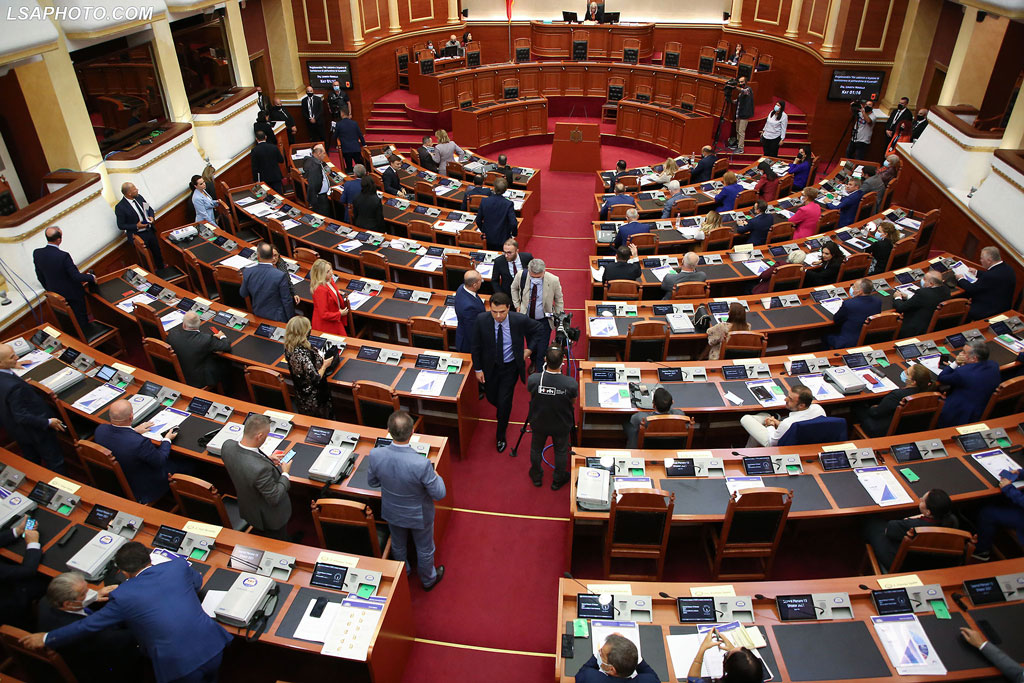
Tirana, Albania – In a move signaling growing concerns over external threats, Albania’s parliament has adopted a new National Strategy against Foreign Intervention and Disinformation. This comprehensive plan aims to safeguard the nation’s democratic processes, media landscape, and cybersecurity infrastructure from malicious foreign actors. The strategy’s adoption comes in the wake of several cyberattacks in recent years and underscores Albania’s commitment to aligning with European Union security standards.
The urgency of the situation was highlighted by Erjon Brace, a Member of Parliament from the ruling Socialist Party and head of the parliament’s Special Anti-Disinformation Commission. Brace, who presented the strategy to lawmakers, warned that Albania has become a consistent target of foreign interference and disinformation campaigns, necessitating proactive measures with the support of European partners. He emphasized the importance of bolstering national security in the face of these escalating threats.
The new strategy outlines a multi-pronged approach to combat foreign interference. It focuses on strengthening cybersecurity defenses to protect critical infrastructure and government systems from cyberattacks. Recognizing the media’s vulnerability to manipulation, the plan includes measures to promote media literacy and identify and counter disinformation campaigns spread through various channels. Furthermore, it seeks to safeguard the integrity of electoral processes by preventing foreign interference and ensuring transparency.
The strategy’s development comes at a time of heightened geopolitical tensions and increasing concerns about foreign influence operations in the Balkans. Albania, a NATO member and EU candidate country, has been particularly vulnerable to disinformation campaigns and cyberattacks, often attributed to state-sponsored actors seeking to destabilize the region. The country’s strategic location and its ongoing democratic transition make it a prime target for such activities.
The Albanian government’s commitment to countering foreign interference aligns with broader efforts within the EU and NATO to address this growing threat. The European Union has been actively working to strengthen its resilience against disinformation and foreign interference, particularly in the context of elections and public discourse. Similarly, NATO has recognized the importance of cybersecurity and information warfare in its strategic posture.
Albania’s National Strategy against Foreign Intervention and Disinformation represents a significant step forward in protecting the country’s sovereignty and democratic values. By adopting a comprehensive approach that encompasses cybersecurity, media literacy, and electoral integrity, Albania aims to build a more resilient society capable of withstanding external pressures. The success of this strategy will depend on effective implementation, continued cooperation with international partners, and the ongoing vigilance of Albanian citizens. It will also necessitate ongoing adaptation to evolving threats and sophisticated disinformation tactics.