


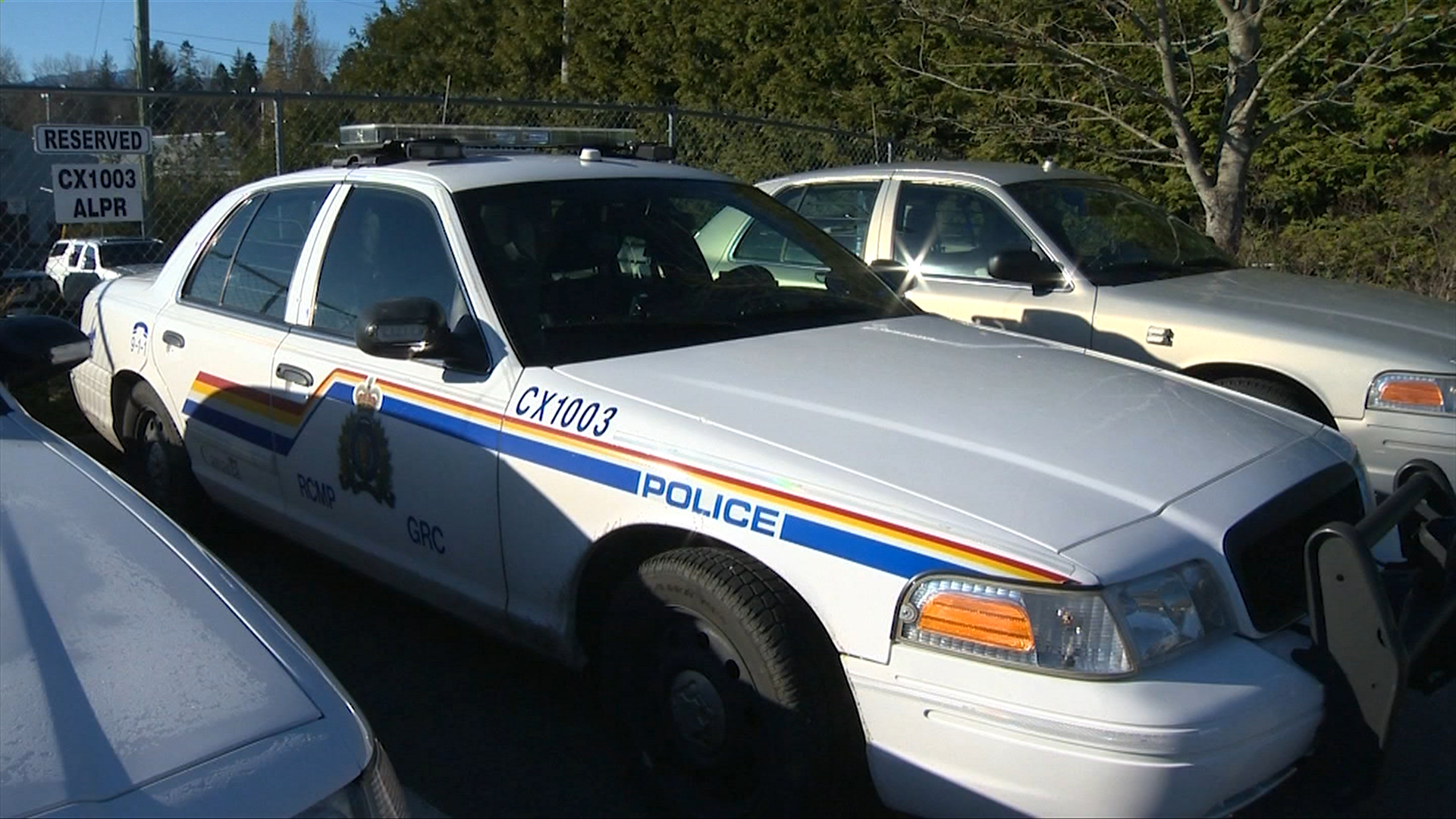
Comox Valley RCMP Warns Public About Misleading Social Media Posts Impersonating Police Authority
The Comox Valley RCMP has issued a community alert warning residents about a troubling increase in social media posts that improperly use the RCMP’s name and reputation to attract attention, generate online engagement, and sometimes to gather sensitive personal information about individuals. Police say these posts, which often claim that a person is missing, wanted by law enforcement, or that a serious incident has occurred, are frequently created by anonymous users, recently established accounts, or pages that have no genuine connection to the Comox Valley community. The detachment emphasized that while many of these posts are simply designed to go viral by exploiting the public’s natural willingness to help others, others may carry far more serious motivations, ranging from targeted harassment to the covert collection of personal and location data about specific individuals. The warning comes as police departments across Canada increasingly grapple with the challenges of social media misinformation that circulates rapidly through local community groups, neighbourhood watch pages, and other online spaces, where the urgency of a missing person alert often overrides the reader’s instinct to pause and check the credibility of the source.
The RCMP’s media relations officer, Constable Monika Terragni, explained that these deceptive posts are carefully crafted to appeal to the compassion and sense of civic duty of everyday citizens. “These types of posts are designed to attract attention and generate shares, often by exploiting people’s desire to help others,” Terragni stated. She noted that while the police force deeply appreciates the community’s willingness to assist in genuine emergencies, the act of sharing unverified information without a moment of reflection can inadvertently cause significant harm. The detachment is urging all residents to adopt a more cautious and critical approach to the content they encounter and circulate online. “While we appreciate that community members want to assist by sharing important information,” Terragni added, “we encourage everyone to take a moment to verify the source before reposting.” This advice is particularly relevant during a time when social media algorithms reward sensational and emotionally charged content, amplifying posts that evoke fear, outrage, or sympathy, while often leaving factual, measured official announcements struggling to reach the same audience. The result is a digital landscape where misinformation can spread faster and further than the truth, creating public panic and placing vulnerable people at risk before any official correction can be issued.
The specific dangers associated with these fake posts extend far beyond mere online annoyance, and the Comox Valley RCMP has detailed several scenarios that illustrate how seemingly benign sharing can lead to serious real-world consequences. In cases involving false missing person reports, the motivation behind the post may be to locate someone who has intentionally removed themselves from a dangerous or abusive situation. The detachment warns that such individuals may have made a deliberate choice not to disclose their location to protect their safety, their mental health, or their overall wellbeing. When members of the public respond to these fake appeals, they often do so by commenting publicly with detailed information about where they last saw the person, where they are known to work, what vehicle they drive, or where they may be staying. These comments, which can be viewed by anyone with access to the post, effectively dox the individual and place them at risk of being found by those who may wish them harm. The RCMP explicitly noted, “False missing person posts may be used to gather information about an individual’s location, activities, or personal circumstances,” adding that the comments section of such posts frequently becomes a free source of intelligence for those seeking to track an unwilling person down. This scenario underscores a profound misunderstanding among well-meaning sharers: what looks like an act of kindness and civic duty may in fact be providing the missing piece of information that allows a stalker, an abuser, or a malicious actor to locate their target. The police stress that the only safe way to contribute information about a missing person is to provide it directly to law enforcement authorities rather than posting it on social media, where it can be weaponized and misused. “It is best to provide information about missing persons directly to police without posting it to social media,” the Comox Valley RCMP stated, urging the public to recognize that their eyes and ears are valuable to investigators, but only when their observations are channelled through official, secure reporting mechanisms.
Beyond the serious privacy and safety concerns posed by false missing person posts, the RCMP also highlighted the destructive effects that inaccurate “wanted person” notices can have on innocent individuals. When a post falsely identifies a person as being wanted by police in connection with a crime, the consequences can be immediate and devastating. The individual concerned may suddenly face harassment, public suspicion, threats of violence, or a permanently damaged reputation, even if the post is eventually removed or corrected. The emotional toll of such public accusations, the police explained, can be profound, leading to anxiety, depression, and a sense of being trapped in a web of lies that spreads far beyond their control. In some cases, the innocent person may even find their employment, housing, or personal relationships destabilized by the malicious or thoughtless sharing of false information. Moreover, these posts generate unnecessary concern and fear within the broader community, diverting attention and resources away from genuine public safety issues. Every moment that a resident spends doomscrolling about a fictitious emergency, or every time police receive calls about a supposed wanted criminal who does not actually exist, is a moment that could have been used to focus on real threats and actual community needs. The detachment explained that some fraudulent posts have also been linked to broader scam operations, with “wanted” allegations used as a vehicle for financial fraud, while other posts serve as a way for malicious actors to test the waters, identifying which community members are most likely to engage and respond to them for future targeting. The cumulative effect of such posts erodes trust in legitimate warnings, as residents become desensitized to the format and language of missing person alerts, potentially causing them to ignore or dismiss official announcements when a genuine emergency does occur.
To help the public distinguish between legitimate information and deceptive content, the Comox Valley RCMP has provided a clear outline of the official communication channels used for releasing authentic public safety information, alongside a set of practical steps for verifying online content. “Legitimate public safety information released by the Comox Valley RCMP will typically be shared through official RCMP communication channels, established local media outlets, or verified government and law enforcement platforms,” the force stated, indicating that any police announcement that does not appear on these recognized platforms should be treated with immediate suspicion. The RCMP’s social media accounts, official website, and press releases distributed through local news organizations are the only reliable sources of official information. The public is also being asked to scrutinize the profile or page that shares the information; accounts that are recently created, have no real followers, or display no genuine engagement with local issues are highly likely to be fraudulent. Additional red flags include posts that appear to have been copied and pasted verbatim from unrelated communities, often referencing specific locations, street names, or even police detachment details that do not match the Comox Valley area. The police are also advising residents to be extremely cautious about sharing a person’s location publicly, even if the post appears to come from a friend or family member, as the true audience of such posts is often unknown. Before reposting or commenting, individuals should pause and ask themselves whether the information has been verified through official sources, and whether their contribution could potentially cause harm. If any doubt remains, the public is encouraged to report suspected fraud or scam posts directly to the social media platform, most of which have mechanisms for flagging misleading content. The overarching message is simple but urgent: when it comes to matters of public safety, the benefits of being first to share are vastly outweighed by the risks of spreading false information.
In delivering this warning, the Comox Valley RCMP has been careful not to cast social media entirely in a negative light, acknowledging that these platforms play an essential role in connecting communities and enabling the rapid spread of information during genuine emergencies. “The Comox Valley RCMP recognizes that social media plays an important role in connecting communities and sharing information quickly,” the detachment noted, affirming that the force remains committed to making use of these digital tools to keep residents informed and engaged. However, the balance between speed and accuracy is one that requires collective responsibility, and the RCMP is encouraging the public to continue sharing legitimate, safety-related information, while taking the simple but essential step of confirming that the information is accurate and comes from a credible source. Residents who have doubts about a post, or who wish to verify its authenticity, are encouraged to contact the Comox Valley RCMP non-emergency line at (250) 338-1321. Police personnel are available to clarify whether an alert is genuine and to provide guidance on how to proceed. In an age of deepfakes, viral hoaxes, and algorithm-driven engagement, the decision to hit “share” carries far more weight than many users realize; a moment of restraint can protect a vulnerable person from harm, and a moment of diligence can preserve the integrity of a community’s collective information ecosystem. As the RCMP’s warning makes clear, the next time you see an alarming post bearing a police name, the most important verification tool you possess is not the post itself, but your own willingness to pause, investigate, and confirm before you become part of the problem.