


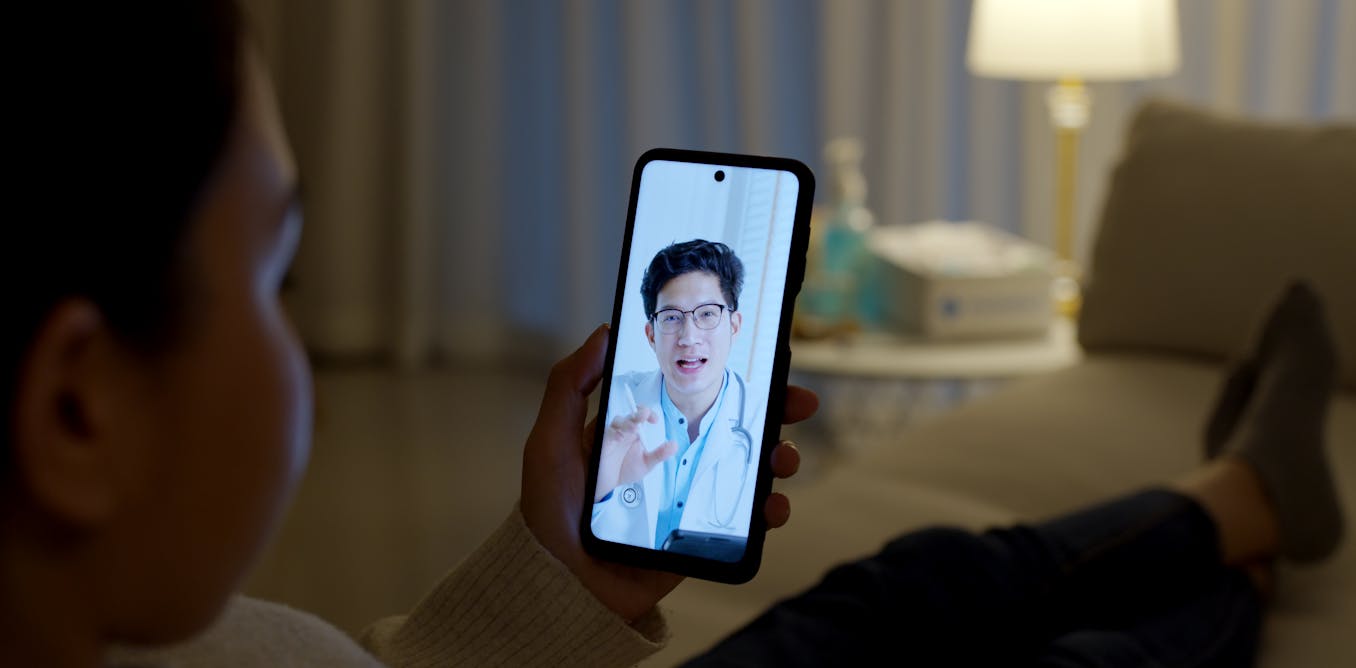
The Rise of Deepfakes and the Threat to Healthcare Information Online
The digital age has revolutionized access to healthcare information, with online platforms and social media becoming primary sources for many seeking medical advice and services. However, this increased accessibility has also opened the door to a surge in false and misleading health information, exacerbated by the rapid advancement of deepfake technology and generative artificial intelligence (AI). These technologies allow malicious actors to manipulate videos, photos, and audio of respected health professionals, creating convincing impersonations used to endorse fake products, solicit sensitive information, and spread misinformation. This alarming trend poses a significant threat to public health, as individuals may unknowingly follow dangerous advice, jeopardizing their well-being and financial security.
The Mechanics of Health-Related Deepfake Scams
Deepfakes leverage AI to create hyperrealistic yet fabricated depictions of individuals, making them appear to say or do things they never did. In the context of healthcare scams, this technology is employed to promote dubious products or services, often through social media platforms. For instance, deepfake videos might feature a renowned doctor seemingly endorsing a particular supplement, lending it an air of credibility and deceiving unsuspecting viewers. These scams can also involve phishing attempts, where individuals are tricked into sharing personal health information with fake accounts posing as healthcare providers. The ease with which deepfakes can be created and disseminated, combined with the wide reach of social media, amplifies the potential for widespread harm.
Real-World Examples of Deepfake Exploitation in Healthcare
Several instances highlight the growing threat of deepfakes in healthcare. In a notable case, Diabetes Victoria exposed deepfake videos featuring experts from The Baker Heart and Diabetes Institute promoting a diabetes supplement without their consent. Similarly, Dr. Karl Kruszelnicki, a well-known Australian science communicator, had his image manipulated in deepfake ads for pills on Facebook. These cases underscore the vulnerability of even prominent figures to this form of manipulation and the potential for such scams to reach vast audiences. Platforms like TikTok have also faced scrutiny for hosting deepfake videos of doctors endorsing products, demonstrating the challenge of policing this rapidly evolving form of misinformation.
Identifying and Combating Deepfakes: A Multi-pronged Approach
Recognizing deepfakes requires a discerning eye and critical thinking skills. The eSafety Commissioner in Australia offers valuable resources, emphasizing the importance of contextual awareness. Users should question whether the content aligns with the person’s usual behavior or environment. Visual and auditory cues can also help identify deepfakes, such as blurring, inconsistencies in skin tone or lighting, glitches in videos, and poorly synchronized sound. Beyond individual vigilance, a collective effort involving online platforms, health professionals, and government bodies is crucial in combating this threat. Platforms need to implement robust verification mechanisms and alert users to potentially unverified information. Educating the public about digital literacy, particularly older adults who may be more susceptible to online scams, is also paramount.
Protecting Yourself and Taking Action Against Health-Related Deepfakes
If you encounter suspected deepfakes promoting health products or services, several steps can be taken. Directly contacting the individual purportedly endorsing the product can confirm the legitimacy of the content. Leaving public comments expressing skepticism can also prompt others to question the information’s veracity. Utilizing reporting tools on online platforms to flag fake accounts and misinformation is essential for curbing their spread. Encouraging critical thinking and advocating for consultation with qualified healthcare professionals before making health decisions based on online information are vital for fostering a more informed and cautious online environment.
The Role of Government and Legislation in Addressing the Deepfake Threat
As deepfake technology becomes increasingly sophisticated, the need for robust governmental intervention becomes apparent. The Online Safety Review in Australia recommended the adoption of duty of care legislation to address harms to mental and physical well-being arising from the promotion of harmful practices online. Such legislation could protect individuals from the potentially devastating consequences of following deepfake health advice, holding platforms accountable for the content they host and providing a legal framework for recourse against those who create and disseminate such misinformation. This proactive approach is essential to ensure that the benefits of online health information access are not overshadowed by the risks posed by malicious actors exploiting deepfake technology.