


Africa’s Elections Under Siege: Combating Disinformation in the Digital Age
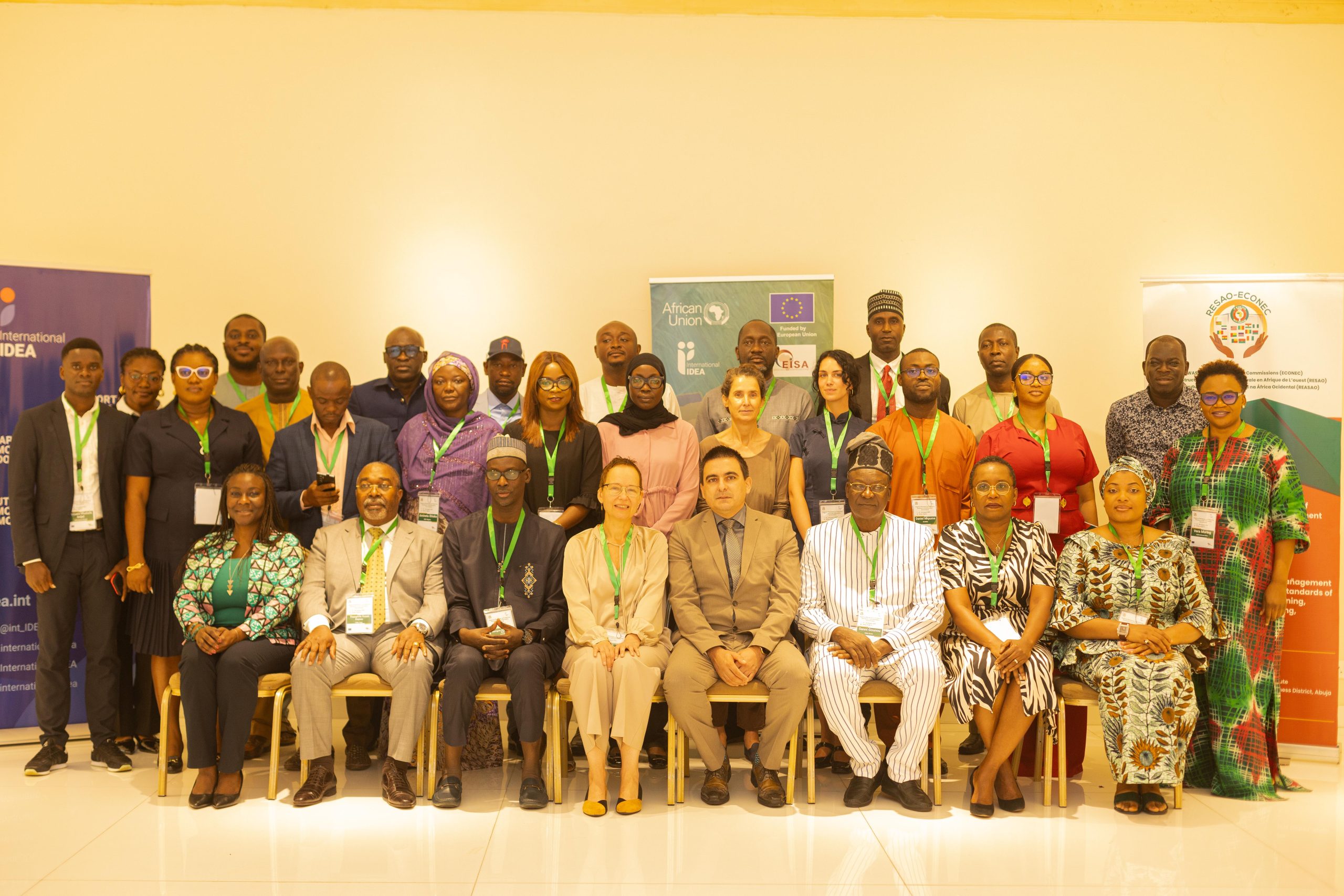
The digital revolution has irrevocably transformed the landscape of elections worldwide, and Africa is no exception. While polling stations remain central to the democratic process, the battle for votes is increasingly fought online, where misinformation and disinformation campaigns can sway public opinion and undermine electoral integrity. Recognizing this evolving threat, representatives from Electoral Management Bodies (EMBs), Regional Economic Communities, and election networks convened in Abuja, Nigeria, from August 27th to 28th, 2025, for a crucial regional workshop focused on protecting elections in the information environment. This workshop, held in collaboration with the ECOWAS Network of Electoral Commissions (ECONEC) and supported by the European Union through the Strengthening Pan-African Capacities for Electoral Observation and Assistance (SPEC) project, aimed to foster dialogue and collaboration in the fight against information manipulation.
The urgency of this issue stems from the growing influence of online narratives in shaping electoral outcomes. The rapid dissemination of false information through social media platforms has made elections increasingly vulnerable to manipulation. This phenomenon is not unique to Africa; disinformation campaigns are a global threat, destabilizing democratic institutions and eroding public trust in governments. Advanced technologies, particularly artificial intelligence, have exacerbated the problem by enabling the mass production and spread of fabricated content, making it increasingly difficult for citizens to distinguish truth from falsehood. This manipulation not only distorts political discourse but also disempowers voters, hindering their ability to hold leaders accountable.
The workshop highlighted the need for a shift from reactive to proactive strategies in combating disinformation. Too often, EMBs find themselves scrambling to counter viral falsehoods after they have already gained traction, leaving democracies vulnerable. Experts, including Therese Pearce Laanela, Head of Electoral Processes at International IDEA, emphasized the importance of establishing robust protective infrastructures. These infrastructures extend beyond mere fact-checking and encompass comprehensive monitoring systems, clear legal frameworks, enhanced collaboration with social media companies, and significant investments in digital literacy programs to equip citizens with the skills to critically evaluate information. Crucially, these efforts require a shared commitment and coordinated approach among governments, EMBs, civil society organizations, and international partners, recognizing that protecting the information environment is as vital as safeguarding the physical ballot box.
Mr. Reuben Alba Aguilera, representing the European Union Mission in Nigeria and ECOWAS, underscored the necessity of reviewing electoral processes to ensure credibility across all aspects. He cited the Afrobarometer report, which indicates growing youth participation in politics despite existing challenges, highlighting the importance of creating safe spaces for engagement. Similarly, Mr. Sergine Mamadou Ka, head of the Electoral Assistance Division, ECOWAS Commission and Permanent Secretary of ECONEC, stressed the need for a systematic approach to address the issue of disinformation.
The Abuja workshop represents a critical step in a broader international effort to safeguard electoral integrity in the face of evolving digital threats. This initiative, part of International IDEA’s global project on Protecting Electoral Processes in the Information Environment, supported by the German Federal Foreign Office, aims to develop strategies and best practices that can be applied across Africa and beyond. The lessons learned from this regional gathering will inform future initiatives and equip EMBs with the tools and knowledge to proactively address the ever-changing risks posed by disinformation.
Ultimately, the fight against disinformation is a fight to preserve trust in democratic processes. Credible elections are impossible if voters believe the information surrounding them is manipulated. Democracy cannot flourish if citizens feel deceived. The stakes are high: if falsehoods dominate Africa’s electoral landscape, decades of democratic progress could be undone. However, if democracies succeed in building resilience against these threats, they will not only protect their elections but also strengthen the foundations of governance and accountability. As Olufunto Akinduro, Senior Adviser on Elections in Africa and West Asia at International IDEA, reminded participants, this workshop marks the beginning of a continuous journey to bolster resilience against misinformation, reinforce trust in democratic processes, and secure the future of African elections.