


The Rise of Social Media as the Primary News Source and the Urgent Need for Regulation
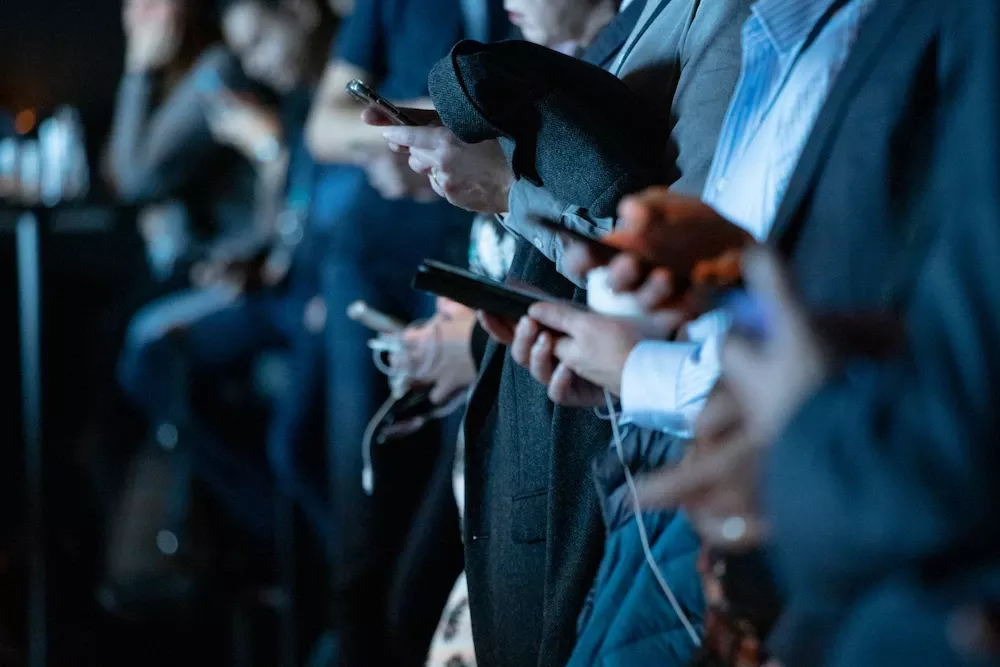
In an increasingly digital world, social media platforms have rapidly ascended to become the dominant source of news for a significant portion of the global population. A recent sixteen-country survey reveals that 56% of internet users primarily rely on social media for news consumption, eclipsing traditional media outlets like television (44%). This shift is particularly pronounced in developing nations with high or medium/low Human Development Index (HDI) scores, where social media significantly outpaces television as the primary news source. Furthermore, younger demographics (under 35) exhibit a stronger preference for social media news compared to older generations. This trend underscores the evolving media landscape and the growing influence of social media in shaping public discourse.
While social media’s reach expands, concerns regarding its credibility and the proliferation of misinformation remain paramount. Despite the popularity of social media as a news source, trust in traditional media remains steadfast. Television news commands the highest trust levels at 66%, followed by radio (63%) and print media (61%). Social media news, in contrast, garners only 50% trust, reflecting public awareness of its vulnerability to misinformation. Interestingly, trust in all news sources, including traditional media, is lower in affluent countries compared to developing nations.
The prevalence of disinformation on social media poses a significant threat to democratic processes and informed public discourse. The survey reveals that 68% of internet users identify social media as the primary breeding ground for disinformation, far surpassing online messaging groups (38%) and media websites/apps (20%). This perception transcends national boundaries, age groups, socioeconomic backgrounds, and political affiliations. The overwhelming majority (85%) express concern about disinformation’s impact on fellow citizens, and an even greater proportion (87%) believe it has already significantly influenced political life. These concerns highlight the urgent need for effective strategies to combat the spread of disinformation on social media platforms.
The specter of disinformation looms large over upcoming elections, with 87% of respondents expressing concern about its potential impact. A significant portion (47%) express “very concerned” sentiments, particularly among those with a strong interest in politics (63%). This widespread anxiety underscores the vulnerability of electoral processes to manipulation and the erosion of public trust. The pervasiveness of hate speech online further exacerbates these concerns, with 67% of internet users reporting encounters with such content. Facebook is identified as the platform where hate speech is most prevalent (58%), followed by TikTok (30%), X (formerly Twitter) (18%), and Instagram (15%). LGBT+ individuals and ethnic or racial minorities are disproportionately targeted by online hate speech, although the specific groups vary across countries.
The public overwhelmingly supports regulatory intervention to address the challenges posed by disinformation and hate speech. A significant majority (88%) believe that governments and regulatory bodies should take action, while an even greater proportion (90%) advocate for social media platforms to assume responsibility. Furthermore, 89% support government and regulatory bodies playing an active role, and 91% favor similar action from social media platforms, especially during election campaigns. Developing countries exhibit even stronger support for intervention from both public authorities and the private sector. The call for proactive measures reflects a growing public awareness of the need for accountability and effective mechanisms to curb the spread of harmful content.
A resounding 89% of internet users advocate for governments and regulators to enforce trust and safety measures on social media platforms during election campaigns. This overwhelming consensus spans all demographics and political affiliations, underscoring the public’s desire for greater transparency and protection against manipulation. The role of international organizations like the UN or UNESCO in combating disinformation also garners significant support, with 75% expressing approval and 33% strong endorsement. However, despite the widespread awareness of disinformation and its potential consequences, only 48% of surveyed citizens have actively reported such content during election campaigns. Younger demographics (18-34) and those highly interested in politics are more likely to report disinformation, indicating the need for greater public engagement in combating online misinformation. This survey, conducted across sixteen countries with upcoming elections in 2024, highlights the urgent need for collaborative efforts between governments, regulatory bodies, social media platforms, and individuals to address the growing challenges of disinformation, hate speech, and online manipulation. UNESCO’s ongoing initiative to develop guidelines for regulating digital platforms further emphasizes the global commitment to safeguarding freedom of expression, access to information, and other human rights in the digital age.