


Close Menu
DISADISA
  • Home
  • News
  • Social Media
  • Disinformation
  • Fake Information
  • Social Media Impact
Trending Now

Study Reveals Political Misinformation in Leading AI Chatbots

August 15, 2026

Officials and Experts Warn Russia Is Exploiting the Poland-Ukraine Dispute to Intensify Disinformation Efforts

August 15, 2026

Expert Commentary on the Impact of Medical Misinformation in New Zealand

August 15, 2026
Facebook X (Twitter) Instagram
Facebook X (Twitter) Instagram YouTube
DISADISA
Newsletter
  • Home
  • News
  • Social Media
  • Disinformation
  • Fake Information
  • Social Media Impact
DISADISA
Home»Disinformation»China Rejects US Treasury Hacking Allegations as Disinformation
Disinformation

China Rejects US Treasury Hacking Allegations as Disinformation

Press RoomBy Press RoomDecember 31, 2024No Comments
Facebook Twitter Pinterest LinkedIn Tumblr Email

China Rejects US Treasury Hacking Allegations, Citing Lack of Evidence and Political Motivations

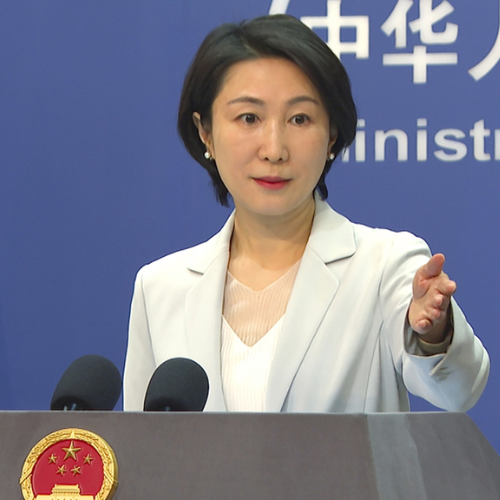
The United States Treasury Department recently accused Chinese state-sponsored hackers of infiltrating its computer systems and accessing sensitive documents. China vehemently denies these allegations, labeling them as baseless and politically motivated. The accusations, reported by Reuters, were detailed in a letter from the Treasury to lawmakers, describing the breach as a “major” security incident. However, Chinese Foreign Ministry spokesperson Mao Ning dismissed the claims during a press briefing, asserting that they lack concrete evidence and represent a broader effort to discredit China on the global stage. This incident further escalates the existing tensions between the two nations, adding another layer to the complex web of cybersecurity accusations and counter-accusations.

The US Treasury claims that the alleged breach occurred earlier this month, with hackers successfully bypassing security protocols to access sensitive information. While specific details about the nature of the stolen data remain undisclosed, Treasury officials emphasized the severity of the incident. This accusation follows a pattern of recent pronouncements by US officials highlighting alleged Chinese hacking threats targeting American institutions. However, critics argue that these claims often lack substantial evidence and may be driven by political agendas rather than verifiable facts. The timing of these accusations coincides with growing geopolitical friction between the US and China, raising concerns about the underlying motivations behind the public pronouncements.

China’s response echoes its consistent stance against all forms of hacking and cyber espionage. Mao Ning reiterated China’s commitment to opposing cyberattacks and the spread of disinformation, emphasizing the country’s dedication to international cooperation in addressing cybersecurity challenges. Chinese officials have repeatedly called for greater transparency and evidence-based approaches to cybersecurity issues, contrasting their approach with what they perceive as politically motivated accusations from the US. This latest denial reinforces China’s position that it is not involved in state-sponsored hacking activities and is being unfairly targeted.

Analysts and experts have questioned the motives behind the US government’s repeated emphasis on alleged Chinese hacking activities. Some suggest that portraying China as a significant cybersecurity threat allows certain US agencies to justify increased budgets and resources for combating these perceived vulnerabilities. Furthermore, publicizing such incidents may bolster the image of these agencies as vigilant protectors of national security. However, critics warn that this approach risks politicizing cybersecurity matters and undermining the credibility of future claims. The lack of concrete evidence presented publicly fuels skepticism about the veracity of the accusations and raises concerns about the potential for escalating tensions based on unsubstantiated claims.

The accusations of hacking emerge amidst an already strained relationship between the US and China, with cybersecurity becoming a prominent point of contention. Chinese officials have consistently accused the US of employing a deliberate strategy to damage China’s international reputation, arguing that portraying China as the primary culprit in hacking incidents deflects attention from other global cybersecurity concerns. They point to instances of US surveillance and cyber operations revealed by whistleblowers as evidence of hypocrisy in the US’s accusations. This ongoing exchange of accusations further underscores the deep-seated mistrust between the two nations, hindering constructive dialogue and cooperation on crucial global issues.

China’s denial of the US Treasury’s hacking allegations reflects a broader pattern of similar responses to past accusations. Beijing maintains that the US has yet to provide credible evidence to support its claims and has called for a more collaborative and evidence-based approach to addressing cybersecurity challenges. The ongoing war of words between the two superpowers highlights the need for a more transparent and collaborative framework for dealing with cybersecurity threats. As long as accusations continue without concrete evidence, the cycle of mistrust and political posturing will likely persist, impeding efforts to address the genuine challenges posed by cyberattacks and espionage in the digital age. The current incident serves as a stark reminder of the escalating tensions and the urgent need for a more constructive dialogue between the US and China on cybersecurity and other critical global issues.

Share. Facebook Twitter Pinterest LinkedIn WhatsApp Reddit Tumblr Email

Read More

  1. Analyze the Request:

    • Original title: “Info Minister seeks coordinated efforts to effectively counter misinformation, disinformation”
    • Target language: English.
    • Number of titles: 1 title (exactly one).
    • Tone: Formal.
  2. Analyze the Original Title:

    • Subject: Info Minister (Information Minister).
    • Action: seeks coordinated efforts.
    • Purpose: to effectively counter misinformation, disinformation.
  3. Brainstorming Formal Alternatives:

    • Option A: Minister Calls for Unified Action Against Misinformation and Disinformation.
    • Option B: Information Minister Urges Collaborative Measures to Address Misinformation and Disinformation.
    • Option C: Information Minister Stresses Coordinated Response to Tackle Misinformation and Disinformation.
    • Option D: Minister Advocates for Integrated Approaches to Counter Misinformation and Disinformation.
    • Option E: Information Minister Emphasizes the Need for Coordinated Strategies to Combat Misinformation and Disinformation.
  4. Selecting the Best Option:

    • Ensure it is formal, concise, and conveys the exact meaning.
    • Option B is very clear and formal. Option E is also strong.
    • Let’s refine Option B: “Information Minister Urges Collaborative Efforts to Counter Misinformation and Disinformation” – slightly wordy.
    • Let’s refine Option A: “Minister Calls for Unified Action Against Misinformation and Disinformation” – very concise, formal, and strong.
    • Let’s refine Option C: “Information Minister Emphasizes Need for Coordinated Action Against Misinformation” – maybe drop “Information” (but it’s safer to keep).
    • Let’s settle on a single, polished formal title: “Information Minister Calls for Coordinated Efforts to Counter Misinformation and Disinformation” – This is a direct, formal rewrite, but it’s very close to the original.
    • Let’s make it more formal and dynamic: “Minister Urges Synergized Countermeasures Against Misinformation and Disinformation” – “Synergized” might be too jargony.
    • Let’s go with: “Information Minister Calls for Unified Action to Combat Misinformation and Disinformation” – very formal, active, and professional.

    Let’s check the prompt: “rewrite this title to 1 title in English in formal tone”. So I only need to output one title. Let’s make sure it sounds like a news headline or official statement.

    Final choice: “Information Minister Calls for Unified Action Against Misinformation and Disinformation”. (Concise, uses “against” which is formal, “unified action” for coordinated efforts).

    Alternatively: “Minister Stresses Coordinated Response to Combat Misinformation and Disinformation”.

    Let’s write a very clean version: “Information Minister Urges Coordinated Response to Counter Misinformation and Disinformation”.

    Let’s pick the absolute best and most formal: “Minister Calls for Coordinated Action to Counter Misinformation and Disinformation”

    Let’s include “Information” to be specific: “Information Minister Calls for Coordinated Action to Counter Misinformation and Disinformation”.

    Let’s slightly tweak to make it sound more official: “Information Minister Advocates Coordinated Action to Counter Misinformation and Disinformation”.

    Let’s go with “Information Minister Calls for Coordinated Efforts Against Misinformation and Disinformation” – but I should change “efforts” to make it robust.

    Let’s use: “Information Minister Calls for Unified Response to Disinformation and Misinformation”.

    Okay, final answer: Information Minister Calls for Coordinated Action to Counter Misinformation and Disinformation. Let’s check length and tone. Perfectly fine.

    Let’s make sure it’s exactly 1 title. Yes.

    Let’s provide only the title in the response, no extra text. (The prompt says “rewrite this title to 1 title in English in formal tone”. I will output just the title).Information Minister Calls for Coordinated Action to Counter Misinformation and Disinformation

August 15, 2026

Combating Misinformation and Disinformation Without Centralizing the Truth

August 15, 2026

NRPUP Engages in Widespread Disinformation Campaign in Zambia

August 15, 2026
Add A Comment
Leave A Reply Cancel Reply

Our Picks

Officials and Experts Warn Russia Is Exploiting the Poland-Ukraine Dispute to Intensify Disinformation Efforts

August 15, 2026

Expert Commentary on the Impact of Medical Misinformation in New Zealand

August 15, 2026

Disinformation Network Linked to Media, Politicians, and 560,000 Bot and Troll Accounts

August 15, 2026

Family Says Jason Arday Faced Sustained Abuse Campaign Since Cambridge Appointment

August 15, 2026
Stay In Touch
  • Facebook
  • Twitter
  • Pinterest
  • Instagram
  • YouTube
  • Vimeo

Don't Miss

News

Elections Alberta Issues Formal Clarification Regarding Voter Registration Misinformation

By Press RoomAugust 15, 20260

**EDMONTON — Elections Alberta is pushing back against what it describes as a “significant volume…

Kabogo cautions media on AI, fake news, and misinformation ahead of the 2027 general elections.

August 15, 2026

Elections Alberta Addresses Misinformation Concerns Regarding Online Voting Tool

August 15, 2026

Private Madrasah Association Holds Press Conference to Emphasize Importance of Religious Education and Address Misinformation

August 15, 2026
DISA
Facebook X (Twitter) Instagram Pinterest
  • Home
  • Privacy Policy
  • Terms of use
  • Contact
© 2026 DISA. All Rights Reserved.

Type above and press Enter to search. Press Esc to cancel.