


The Dark Side of Fandom: Wrestling Fans Targeted by Sophisticated Social Media Impersonators
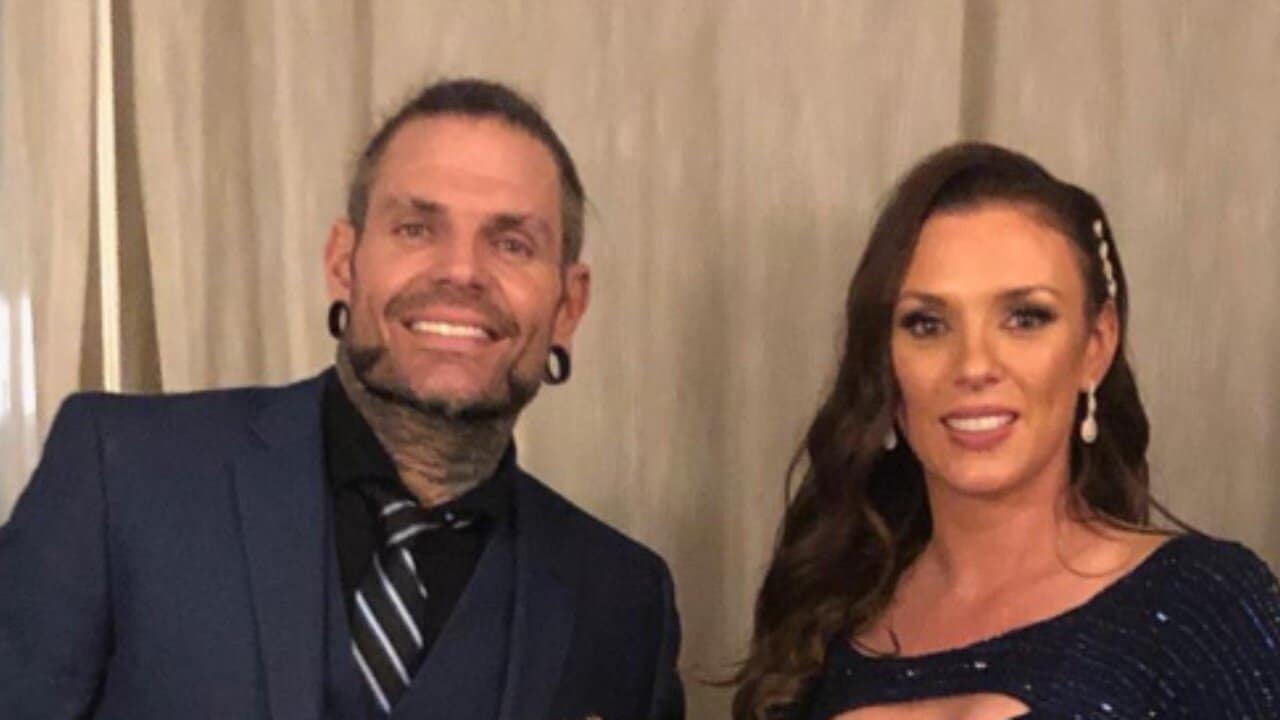
The world of professional wrestling, with its passionate fanbase and larger-than-life personalities, has unfortunately become a breeding ground for online impersonation scams. Fans eager to connect with their favorite wrestlers are increasingly falling prey to sophisticated schemes orchestrated by individuals posing as these very stars. Beth Hardy, wife of AEW wrestler Jeff Hardy, recently issued a stark warning to fans, highlighting the escalating problem of fake social media accounts targeting the wrestling community. Her cautionary message underscores the need for increased vigilance in the digital age, where separating authentic online presences from cleverly disguised fakes can be a daunting task.
Hardy’s warning stemmed from the discovery of a fraudulent Instagram account using her husband’s TikTok handle, “@enlightenedjeffhardy.” Adding to the concern was a seemingly “verified” Facebook account also posing as the AEW star. The presence of a verified account, ostensibly endorsed by Facebook’s own authentication process, raises serious questions about the platform’s ability to effectively combat impersonation and protect unsuspecting users. This incident highlights the sophisticated nature of these scams, which can easily fool even the most discerning fans. Hardy’s public call-out served as a crucial reminder that even seemingly legitimate accounts can be deceptive.
The issue of impersonation within the wrestling community extends far beyond the Hardy family. Numerous wrestlers, including popular figures like Alexa Bliss, have been forced to address similar situations, warning their followers about fake accounts seeking to exploit their fanbase. These impersonators often employ various tactics to deceive fans, ranging from soliciting money under false pretenses to gathering personal information for malicious purposes. The emotional connection fans feel towards their wrestling idols makes them particularly vulnerable to such manipulation, as they are more likely to trust messages or requests seemingly originating from their favorite stars.
The rise of social media has dramatically altered the relationship between wrestlers and their fans, offering unprecedented opportunities for interaction and engagement. However, this increased accessibility has also created a fertile ground for online impersonation. The very platforms designed to connect fans and wrestlers are now being exploited by scammers who prey on the loyalty and enthusiasm of the wrestling community. The impersonation of wrestlers is not merely a nuisance; it represents a serious threat to both the fans and the wrestlers themselves.
For fans, the dangers range from financial losses to identity theft and privacy breaches. Responding to requests for money or personal information from seemingly legitimate accounts can have devastating consequences. For wrestlers, the constant battle against impersonators can be damaging to their reputation and create distrust among their genuine followers. The need to constantly monitor social media for fake accounts and issue public warnings diverts time and resources from engaging with their actual fans.
The fight against online impersonation requires a multi-pronged approach. Social media platforms like Facebook and Instagram must enhance their verification processes and actively crack down on fraudulent accounts. Wrestlers and their management teams need to be proactive in identifying and reporting fake accounts, while also educating their fans about the risks and warning signs of impersonation. Fans, in turn, must exercise caution and critical thinking before engaging with any account claiming to represent a wrestler. Verifying the authenticity of accounts, being wary of unsolicited requests, and reporting suspicious activity are crucial steps in protecting oneself from these online scams. By working together, wrestlers, fans, and social media platforms can create a safer and more secure online environment for everyone.
In conclusion, the case of Jeff Hardy’s impersonators serves as a wake-up call to the entire wrestling community. The increasing sophistication of these scams underscores the need for constant vigilance and a proactive approach to combating online impersonation. By educating themselves about the risks, remaining skeptical of unsolicited requests, and reporting suspicious activity, fans can protect themselves from becoming victims. Social media platforms must also step up their efforts to identify and remove fake accounts, while wrestlers and their management teams should prioritize educating their fans about the dangers of impersonation. Only through collective action can the wrestling community effectively address this growing threat and ensure that the digital space remains a safe and positive environment for fans and wrestlers alike.