


Australia Unveils Tough New Laws to Combat Online Misinformation, Sparking Free Speech Debate
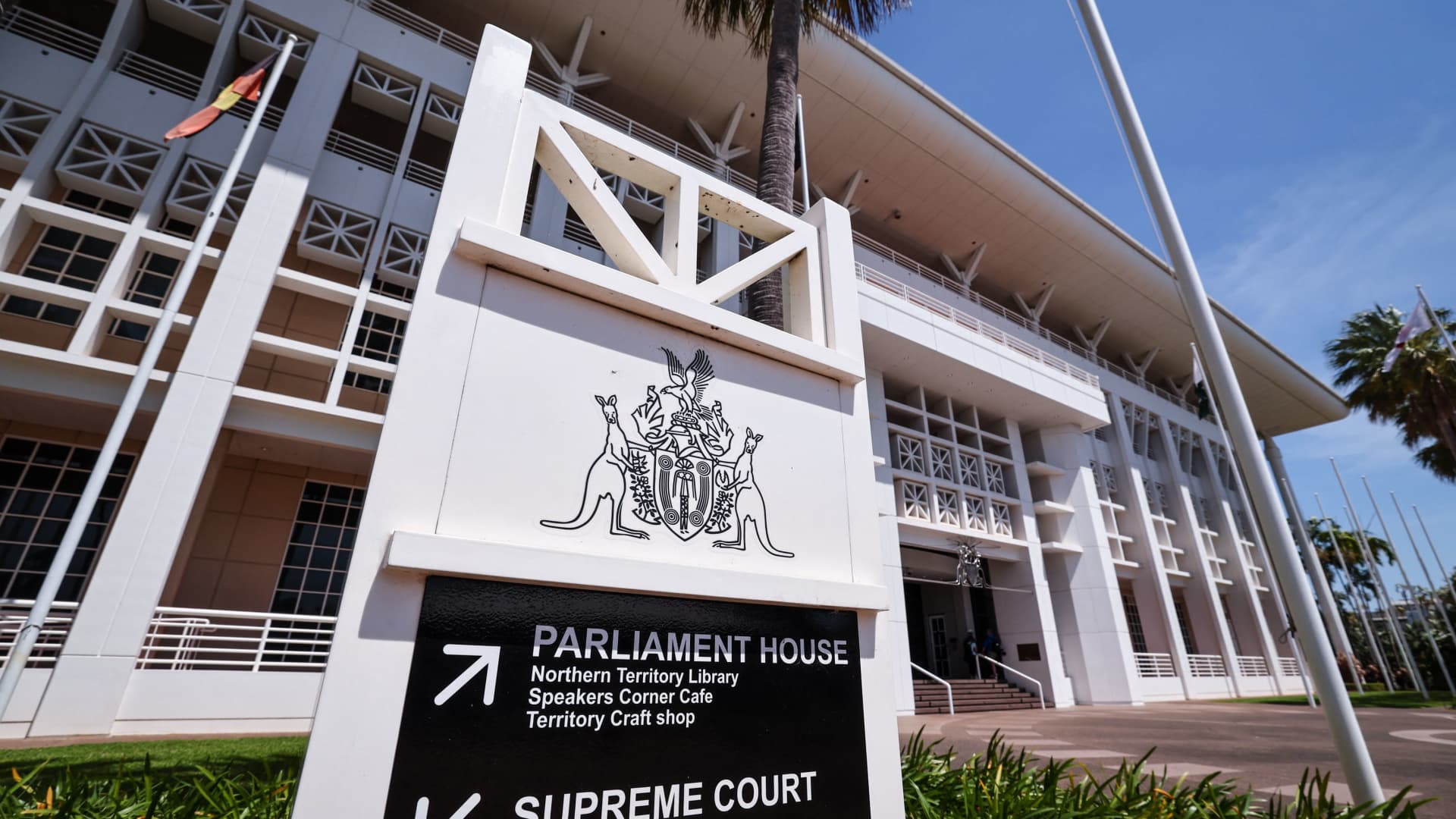
Canberra, Australia – In a decisive move against the proliferation of misinformation on digital platforms, the Australian government has announced sweeping new legislation that will impose hefty fines on internet giants for failing to curb the spread of harmful falsehoods. The proposed laws, set to be introduced in parliament on Thursday, empower a regulatory body to establish codes of conduct for tech companies, with penalties reaching up to 5% of their global revenue for non-compliance. This bold initiative positions Australia at the forefront of a global effort to rein in the influence of tech behemoths, but simultaneously ignites concerns about potential infringements on freedom of expression.
The legislation specifically targets false content that poses a threat to electoral integrity, public health, or incites violence or hatred against individuals or groups. It also aims to prevent the spread of misinformation that could disrupt essential infrastructure or emergency services. The government’s rationale for this stringent approach stems from growing anxieties about the unchecked power of foreign-based tech platforms to undermine national sovereignty, particularly in the lead-up to the upcoming federal election. The move follows earlier clashes with tech companies, including Meta’s threat to block professional news content over royalty disputes and Twitter’s drastic reduction in content moderation under Elon Musk’s ownership.
Communications Minister Michelle Rowland underscored the urgency of addressing the issue, stating that misinformation and disinformation represent a "serious threat" to Australian society, democracy, and economy. She emphasized the government’s commitment to tackling this problem head-on, arguing that inaction is not an option. The revised bill, a refinement of an earlier draft, seeks to address previous criticisms regarding the regulator’s authority. It clarifies that the Australian Communications and Media Authority (ACMA) will not have the power to remove individual posts or user accounts, and it explicitly protects professional news, artistic, and religious content, although government-authorized content is not included in these protections.
The government defends the legislation by citing widespread public support for measures to combat misinformation, pointing to a survey by the Australian Media Literary Alliance that suggests around 80% of Australians favor such action. While Meta, a dominant player in the Australian social media landscape, declined to comment on the proposed laws, industry body DIGI, of which Meta is a member, acknowledged the new regime’s reinforcement of existing anti-misinformation codes, but noted that many questions remain unanswered. X, formerly Twitter, was also unavailable for immediate comment.
The bill’s introduction has predictably sparked a debate over the balance between combating harmful falsehoods and safeguarding free speech. Opposition home affairs spokesman James Paterson, while reserving judgment until he had reviewed the revised bill, emphasized that Australians’ legitimate political views should not be subject to censorship by either the government or foreign social media platforms. This concern resonates with free speech advocates who fear the potential for overreach and the chilling effect on open discourse. The ACMA, for its part, welcomed the legislation, expressing its readiness to assume a formal regulatory role in combating misinformation and disinformation.
This legislation represents a significant step by the Australian government in its ongoing battle against online misinformation. The impact of these new laws on the digital landscape remains to be seen, but the initiative is sure to be closely watched by governments and tech companies worldwide as they grapple with the increasingly complex challenge of regulating online content in the digital age. The ongoing tension between curbing the spread of harmful falsehoods and protecting freedom of expression will continue to be a central point of discussion as this legislation progresses through parliament and beyond. The fine line between protecting the public from misinformation and safeguarding fundamental freedoms will require careful navigation as Australia seeks to establish a regulatory framework fit for the digital age.