


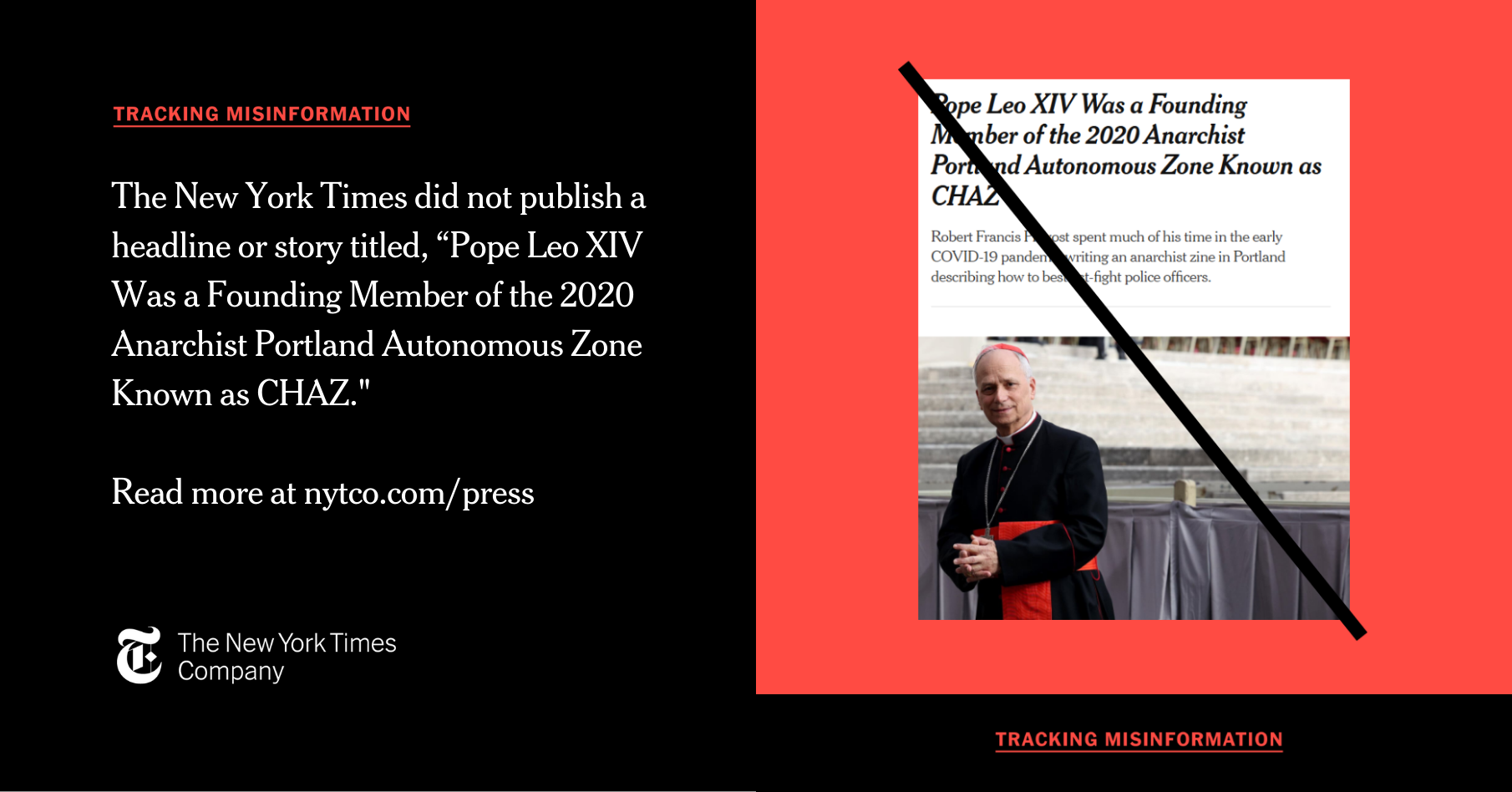
Tracking Misinformation: Fabricated Headline Targeting The New York Times Company
In the ever-evolving digital landscape, the proliferation of misinformation poses a significant threat to the integrity of news and the trust placed in reputable media organizations. A recent incident involving a fabricated headline targeting The New York Times Company underscores the insidious nature of this phenomenon and the need for robust mechanisms to identify and debunk false narratives. This article examines the specifics of the fabricated headline, explores the potential motivations behind its creation, analyzes its spread across social media platforms, assesses the impact on The New York Times Company’s reputation, and discusses strategies to combat the spread of misinformation.
The fabricated headline in question purportedly originated from a screenshot of a New York Times article with a headline that starkly contradicted the newspaper’s editorial stance and journalistic integrity. The manipulated image rapidly circulated across social media platforms, garnering significant traction among users who failed to verify its authenticity. The headline’s inflammatory nature and alignment with pre-existing biases contributed to its virality, effectively bypassing critical thinking and fact-checking processes. The incident highlights the vulnerability of individuals to manipulated content and the ease with which misinformation can be disseminated and amplified within online communities.
Several factors may have motivated the creation and dissemination of the fabricated headline. These could include malicious intent to damage The New York Times Company’s reputation, an attempt to sow discord and amplify political polarization, or even a misguided attempt at satire that backfired dramatically. Identifying the underlying motivations is crucial in understanding the broader context of the incident and informing strategies to mitigate future occurrences. Regardless of the motivations, the incident underscores the importance of media literacy and critical thinking skills in navigating the complexities of the digital information ecosystem.
The spread of the fabricated headline across social media platforms followed a predictable trajectory. Initial shares within smaller, like-minded communities amplified the reach of the image, eventually crossing into mainstream platforms where it gained significant visibility. Algorithms designed to prioritize engagement inadvertently facilitated the spread of the misinformation, creating a feedback loop that propelled the fabricated headline to a wider audience. This incident highlights the unintended consequences of algorithmic amplification and the need for social media companies to implement more effective content moderation strategies.
The impact of the fabricated headline on The New York Times Company’s reputation is multifaceted. While the organization enjoys a strong reputation for journalistic integrity, the spread of misinformation can erode public trust and create a climate of skepticism. Furthermore, the incident diverted resources away from core journalistic activities, necessitating a dedicated effort to debunk the false narrative and reassure readers of the newspaper’s commitment to accuracy and fact-checking. This incident underscores the tangible costs associated with combating misinformation and the need for a proactive approach to safeguarding reputational integrity.
Combating the spread of misinformation requires a multi-pronged approach involving individual responsibility, media literacy education, technological interventions, and collaborative efforts between media organizations, technology companies, and fact-checking organizations. Individuals must cultivate critical thinking skills and be vigilant in verifying information before sharing it online. Media literacy education should equip individuals with the tools and knowledge to identify and critically evaluate information sources. Technology companies must refine algorithms to limit the spread of misinformation and invest in robust content moderation systems. Collaborative efforts between media organizations, technology companies, and fact-checking organizations can streamline the process of debunking false narratives and disseminating accurate information.
In conclusion, the fabricated headline targeting The New York Times Company serves as a stark reminder of the challenges posed by misinformation in the digital age. Addressing this challenge requires a concerted effort from individuals, media organizations, technology companies, and fact-checking organizations to foster a more informed and resilient information ecosystem. By prioritizing media literacy, critical thinking, and collaborative fact-checking initiatives, we can mitigate the harmful effects of misinformation and safeguard the integrity of news and information.