


2027: FG Tasks Media on Accuracy, Fairness, Fact-Checking as Minister Warns Against Misinformation, Disinformation, Deepfakes
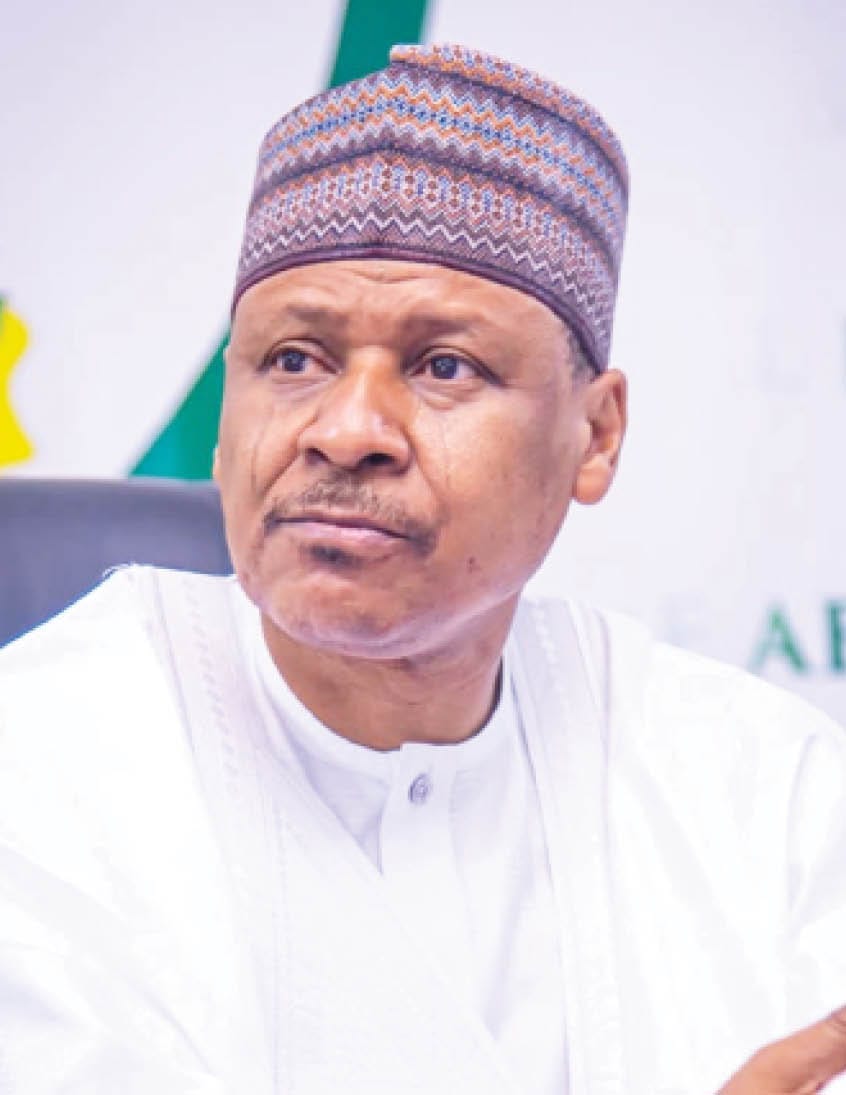
The Federal Government has called on media organisations in Nigeria to make accuracy, fairness, and fact-checking their guiding principles as the nation moves toward the 2027 general elections. The Minister of Information and National Orientation, Idris Mohammed, delivered the charge with a stern warning against sensationalism and misinformation, which, he said, could undermine national cohesion and threaten the country’s democratic stability. According to the minister, the 2027 elections will be defined by intense political competition, aggressive campaigning, and a flood of competing narratives. Journalists, therefore, have a heavy responsibility to rigorously scrutinise every claim emanating from politicians, political parties, and their supporters. Editorial decisions must be anchored in verifiable facts rather than partisan interests, sentiment, or the pressure to break news at the speed of social media. The minister also raised concern that local and foreign actors may exploit the politically charged atmosphere to spread false narratives, deepen public distrust in institutions, and ultimately threaten national unity. His remarks are seen as an early signal of the government’s concern over information disorder around future electoral contests, and a reminder that media practice in Nigeria must evolve to meet the complexities of the digital age.
Mohammed stressed that the forthcoming election cycle will be a defining moment for the Nigerian press, and it will test not only the resilience of democratic institutions but also the capacity of journalists to separate fact from fiction. “The months ahead will undoubtedly witness an intensification of political activities, accompanied by competing claims and counterclaims that must be subjected to rigorous fact-checking,” he said. This call places a direct obligation on media houses to reinforce their editorial safeguards before the political temperature rises. It is no longer enough for reporters to simply transmit statements from public figures; they must interrogate those statements, cross-check sources, and provide context so that citizens can make informed decisions. The minister urged media organisations to strengthen their capacity to identify and expose purveyors of misinformation and disinformation. He recommended substantial investment in staff training, digital verification tools, and editorial protocols that prioritise truthfulness. In an environment where false information can become viral within minutes, newsrooms must serve as disciplined gatekeepers, ensuring that what is published or broadcast has been thoroughly examined. The credibility of Nigerian media, he implied, rests on the willingness of editors and journalists to reject the lure of sensational headlines in favour of evidence-based reporting.
The minister also drew attention to one of the most disruptive developments in modern media: the growing prevalence of artificial intelligence-generated content, manipulated images, and deepfakes. These tools, he warned, have made rigorous verification more important than ever. With AI now capable of producing realistic videos of public figures saying things they never said, and sophisticated images that are almost impossible to distinguish from authentic photographs, the potential for electoral harm is immense. Malicious actors could deploy such content to discredit candidates, incite ethnic or religious conflict, or create confusion about electoral processes. Idris Mohammed disclosed that the Federal Government was strengthening media and information literacy initiatives, including efforts that led to the establishment of a UNESCO Category 2 International Media and Information Literacy Institute in Abuja. This institute, he said, will equip citizens, particularly young people, with the skills needed to critically evaluate the information they encounter online. The government is also advancing discussions on responsible artificial intelligence use in the media industry, with the minister stressing that technological innovation must be anchored in public trust. His remarks suggest a growing awareness that regulation alone cannot solve the problem of online deception; ordinary citizens must be empowered to become more discerning consumers of information.
Beyond the fight against misinformation, the minister addressed the philosophical direction of Nigerian journalism. He challenged media practitioners to abandon the narrow belief that journalism must always be oppositional or adversarial in nature. In his view, the media has a broader duty to reflect the full spectrum of national life, including progress, hope, resilience, and innovation. “The idea that journalism has to be exclusively adversarial is a myth that needs to be jettisoned,” Idris said. He urged outlets to give greater attention to positive developments alongside the many challenges facing the country. News that inspires, educates, and encourages the public also deserves prominence, he added. This statement is likely to spark debate among journalists, many of whom see their primary function as holding power accountable. However, the minister’s argument is not that critical reporting should be abandoned; rather, it is that a relentless focus on negativity can distort public perception and breed cynicism. By striking a balance between holding authority to account and highlighting stories of progress, media organisations can contribute more meaningfully to national development. A journalism that only exposes problems, without acknowledging solutions, risks becoming disconnected from the aspirations of ordinary Nigerians.
The minister also turned his attention to the economic realities facing the media industry, warning that journalistic independence and quality cannot survive without sustainable business models. He described journalism as both a public service and an enterprise that generates employment and contributes to national development. In a rapidly evolving media landscape, where traditional advertising revenues are declining and audiences are shifting to digital platforms, media houses must innovate to remain financially viable. Idris Mohammed commended Media Trust Group for its investment in an integrated newsroom, describing the initiative as an example of what other organisations should emulate. The integrated newsroom, which brings together print, broadcast, digital, and social media teams under one operational framework, reflects the need for media organisations to adapt to changing technologies and audience expectations. By breaking down silos and encouraging collaboration, such structures allow newsrooms to work more efficiently, reduce duplication, and deliver content across multiple platforms without compromising quality. The minister’s endorsement of this model signals that the government recognises the pressures under which media organisations operate and understands that a vibrant media sector requires not only press freedom but also economic sustainability.
As Nigeria prepares for the 2027 elections, the stakes for the media have never been higher. The electoral contest will take place in an information environment more complex, more volatile, and more vulnerable to manipulation than at any point in the country’s history. Political actors will use every available channel to promote their messages and discredit their opponents, and foreign interests may also seek to shape the outcome of the elections through covert information warfare. In this context, the minister’s warning is both timely and necessary. The credibility of the electoral process, and indeed the future stability of Nigeria, will depend significantly on the integrity of the media. Journalists must recognise that their first loyalty is not to any political candidate or party, but to the public. They must resist pressure from powerful interests, refuse to become instruments of propaganda, and remain committed to the pursuit of truth. The Federal Government, for its part, has signalled its intention to support media literacy and responsible technological innovation, but ultimately, it is the professionalism, courage, and ethical discipline of journalists that will determine whether the 2027 elections are characterised by informed civic participation or by division and falsehood. The media must rise to this challenge with dedication, ensuring that facts remain central to Nigeria’s democratic story.