


Zelenskyy Rebukes Trump’s War Claims, Underscoring US Disinformation Bubble
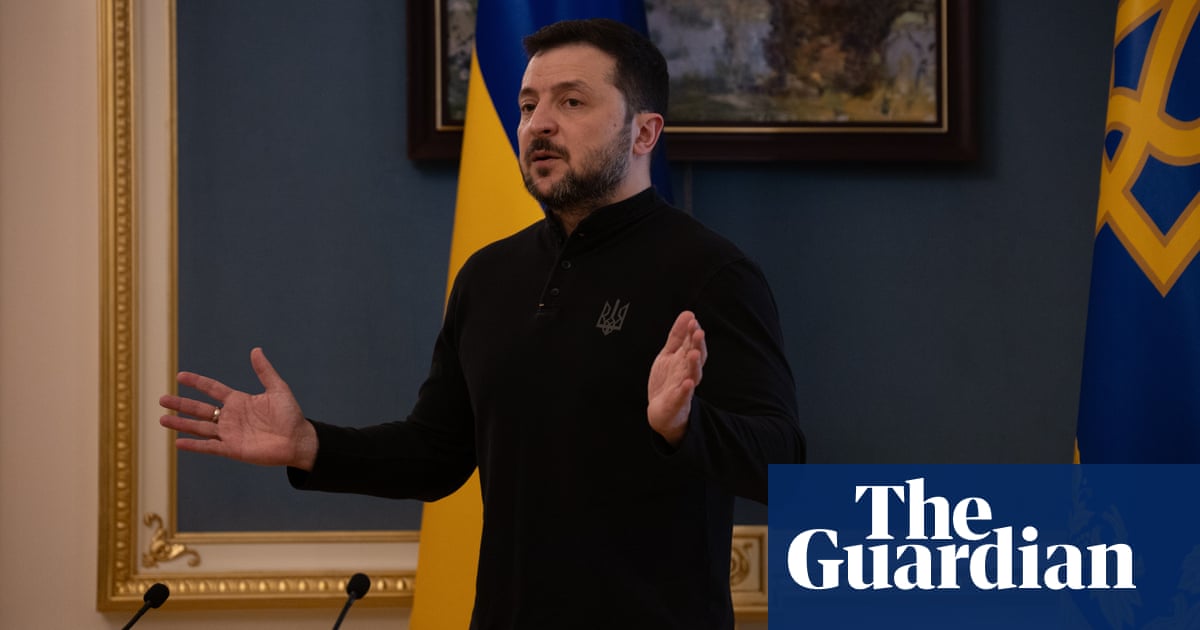
KYIV, UKRAINE – In a pointed response to former US President Donald Trump’s assertion that Ukraine initiated the war with Russia, Ukrainian President Volodymyr Zelenskyy stated that Trump resides in a "disinformation bubble." Speaking at a press conference, Zelenskyy emphasized Ukraine’s deep respect for the United States and its ongoing support against Russian aggression, but lamented Trump’s detachment from reality regarding the conflict’s origins. The Ukrainian leader’s remarks underscore a growing concern about the spread of misinformation surrounding the war, particularly within certain political circles in the West. Zelenskyy’s direct challenge to a prominent figure like Trump highlights the urgency of countering false narratives that risk undermining international support for Ukraine’s defense.
The controversy stems from Trump’s recent comments suggesting that Kyiv bears responsibility for provoking the conflict with Moscow. The former US President has repeatedly offered such interpretations, echoing pro-Kremlin propaganda that portrays Ukraine as the aggressor in the war. These claims starkly contradict the established timeline of events, which clearly indicates Russia’s unprovoked invasion of Ukraine in February 2022, marked by the illegal annexation of Crimea in 2014 and the ongoing destabilization efforts in Eastern Ukraine since that time. International bodies, including the United Nations, have unequivocally condemned Russia’s actions as a violation of international law and Ukraine’s sovereignty.
Zelenskyy’s "disinformation bubble" characterization underscores the dangers posed by such misleading narratives. These distortions not only obfuscate the truth about the conflict but also sow seeds of doubt and division within the international community, potentially eroding crucial support for Ukraine’s struggle against Russian aggression. The Ukrainian president’s remarks serve as a stark reminder of the importance of factual accuracy and the need to challenge misinformation, especially when it emanates from influential figures.
The exchange between Zelenskyy and Trump also highlights the delicate balance Ukraine must maintain in its relationship with the United States. While expressing his disappointment with Trump’s statements, Zelenskyy was careful to reiterate Ukraine’s gratitude for the bipartisan support received from the US government and its people. This distinction underscores the importance of differentiating between the views of individual political figures and the broader commitment of the United States to Ukraine’s security and sovereignty. Ukraine recognizes the vital role US aid and diplomatic backing play in its defense against Russian aggression, and Zelenskyy’s careful phrasing reflects his understanding of the complexities of this critical partnership.
The incident also draws attention to the wider issue of misinformation and its impact on international relations. The propagation of false narratives, particularly in the context of complex geopolitical conflicts, can have serious consequences, undermining trust, fueling tensions, and hindering efforts to achieve peaceful resolutions. The rapid spread of misinformation through social media and other channels presents a significant challenge to policymakers and the public alike. Combating this phenomenon requires a multi-pronged approach, including fact-checking initiatives, media literacy programs, and robust international cooperation to identify and counter disinformation campaigns.
Zelenskyy’s response to Trump serves as a powerful call to action. It urges a renewed focus on the importance of truth and accuracy in the face of disinformation, emphasizing the need to hold individuals accountable for spreading false narratives, especially when those narratives have the potential to exacerbate international conflicts and undermine global security. The Ukrainian president’s words are not just a rebuke of a former US President but a broader plea for responsible discourse and a commitment to upholding the truth in an increasingly complex and interconnected world. The future of Ukraine, and indeed global peace and security, hinges on the ability to distinguish fact from fiction and to counter the corrosive effects of disinformation.