


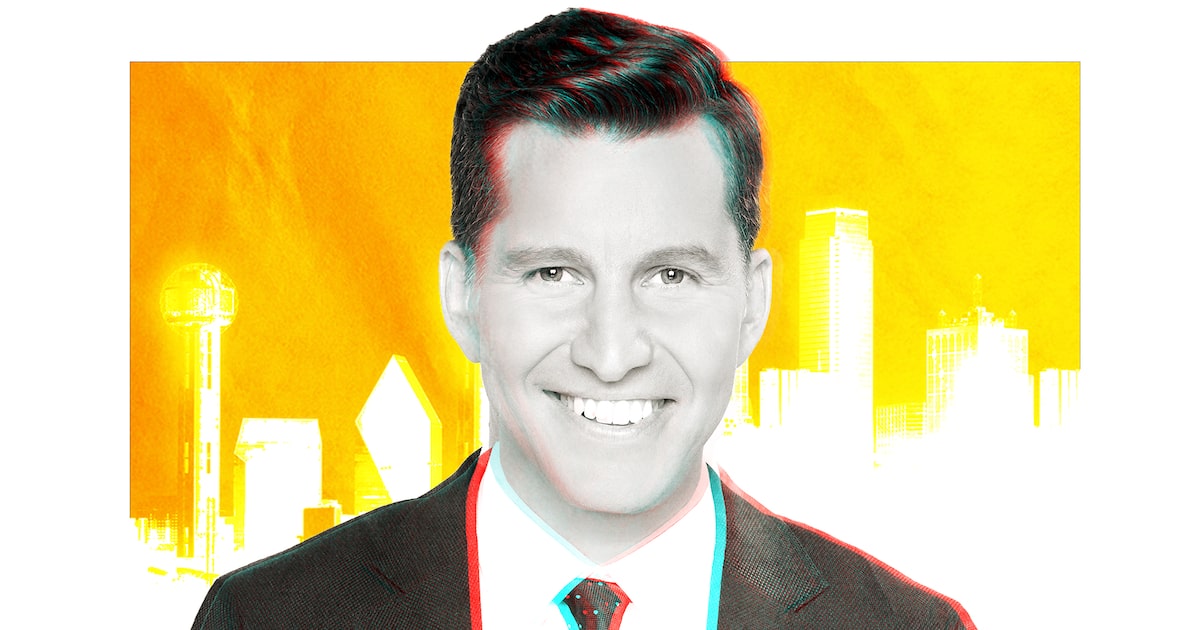
News Article: The Killing of Charlie Kirk: A Conversation with Will Cain
The shocking death of Charlie Kirk on September 10th sent ripples of grief and disbelief across the nation. Kirk, a controversial figure in American political discourse, was shot and killed, leaving behind a complex legacy and a nation grappling with the implications of his untimely demise. Will Cain, a Fox News host and friend of Kirk, was one of the last people to interview him, and in the wake of the tragedy, Cain shared his reflections on Kirk’s life, the divisive political climate, and the search for common ground in a deeply fractured society.
Cain’s last on-air conversation with Kirk, just a day before his death, revolved around the very issues that often placed Kirk at the center of heated debates. The discussion, sparked by commentator Van Jones’ labeling of Kirk as a “race-monger,” underscored the pervasive tension in contemporary political discourse. Ironically, Jones later revealed that Kirk had reached out privately, seeking a civil, off-air dialogue, a testament to Kirk’s willingness to engage with opposing viewpoints, a trait Cain emphasizes. The tragedy, however, magnified the toxic nature of online discourse, with some celebrating Kirk’s death, a reaction that deeply disturbed Cain. He pointed to the dehumanizing effect of social media, where inflammatory rhetoric can escalate into real-world violence, and the tendency to label opponents with extreme terms like “Nazi,” ultimately eroding the boundaries of acceptable discourse.
Cain wrestled with the conflicting portrayals of Kirk: a respected Christian leader to some, a hateful bigot to others. He acknowledged Kirk’s often inflammatory style, particularly in his podcasts, but emphasized the humanity he observed in Kirk’s interactions, especially during campus debates. Cain highlighted what he perceived as a genuine desire for connection, even with those who vehemently disagreed with him. He attributed the negative perceptions of Kirk to the prevalence of “clip culture” and “frame culture,” where short, decontextualized clips, amplified by biased captions, shape public opinion more than the full context of Kirk’s words. This, Cain argued, discourages critical thinking and fuels misinterpretations.
Cain’s personal connection to the tragedy was palpable. Recalling the moment he learned of Kirk’s death through his earpiece while filming his show, he described the feeling of his “head dropping” and the immediate realization of the gravity of the situation. The weight of having to announce the news to his audience compounded the emotional blow. He confessed to the difficulty of navigating such a sensitive moment on live television, acknowledging the inherent clumsiness of attempting to find the “right” words in the face of such a tragedy. The subsequent outpouring of condolence messages, while appreciated, offered little solace in the face of such a profound loss.
The focus of the conversation shifted to the broader implications of Kirk’s death. Cain questioned the future of political discourse in a climate where such violence could occur and be celebrated by some. He moved beyond traditional political labels of “left” and “right,” framing the situation as a “fight between good and evil,” a spiritual battle within individuals and society. He expressed his own struggle with anger and the need to resist succumbing to negativity. He drew inspiration from Erika Kirk’s remarkable display of forgiveness at her husband’s memorial, highlighting the importance of listening to “our better angels.”
The tragedy of Charlie Kirk’s death transcends the political. It underscores the fragility of civil discourse, the dangers of online dehumanization, and the urgent need for empathy and understanding. Cain’s reflections offer a poignant reminder of the human cost of political division and the importance of striving for a more compassionate and tolerant society, even in the face of profound disagreement. The search for common ground, for the ability to engage with opposing viewpoints without resorting to demonization, remains a critical challenge in a world increasingly polarized by ideology and amplified by the echo chambers of social media. Kirk’s death serves as a stark reminder of the consequences of unchecked animosity and the vital need for constructive dialogue in the pursuit of a more just and peaceful future.