


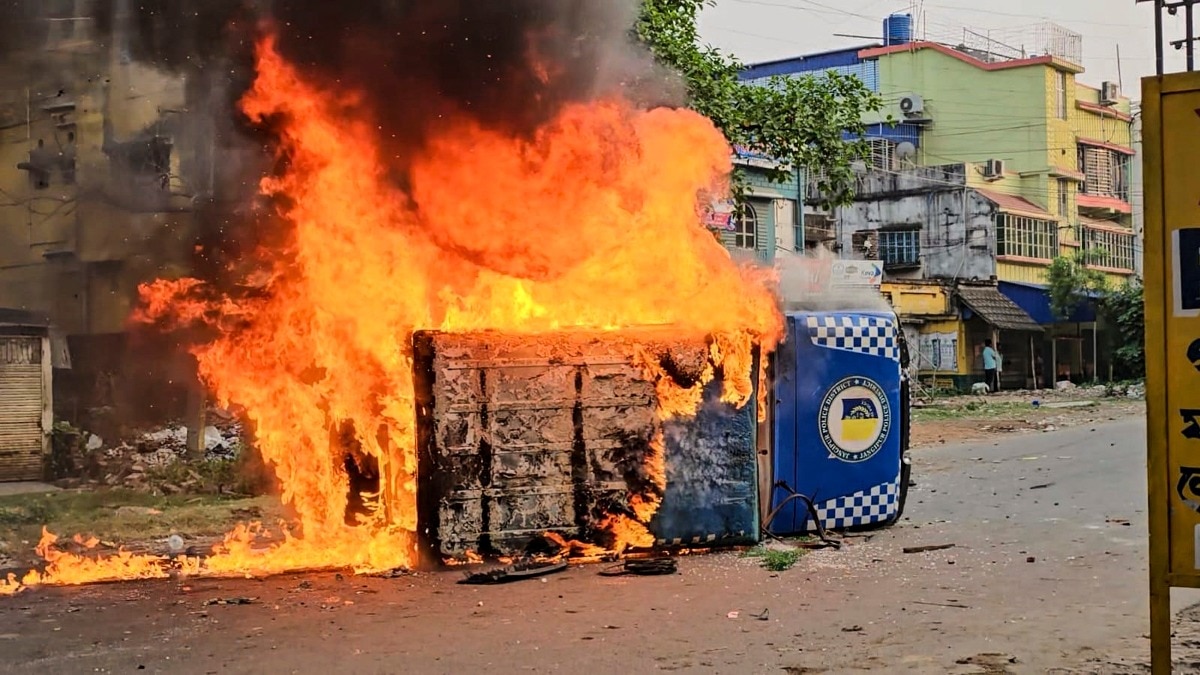
West Bengal Police Combat Misinformation Amidst Communal Violence Aftermath
The West Bengal Police are actively combating the spread of misinformation and hate speech on social media platforms following recent communal violence in Murshidabad district. The violence, which erupted in the wake of protests against the Waqf (Amendment) Act, resulted in three fatalities and ten injuries, highlighting the volatile situation and the potential for further unrest fueled by online falsehoods. The police have issued a public warning, urging citizens to be wary of fake profiles and unverified information circulating online. These profiles, often masquerading as local residents, are being used to disseminate inflammatory content and incite communal hatred, exacerbating tensions and hindering the restoration of peace in the affected areas.
The police’s proactive approach underscores the growing concern over the misuse of social media platforms to spread disinformation and manipulate public opinion. The rapid dissemination of unverified news and inflammatory rhetoric can quickly escalate tensions, particularly in a sensitive context like the aftermath of communal violence. Recognizing the destructive potential of such online activity, the police have launched an investigation to identify and apprehend those responsible for creating and spreading these harmful messages. More than 300 individuals have already been arrested in connection with the violence, demonstrating the authorities’ commitment to maintaining law and order and holding perpetrators accountable.
Law enforcement agencies are actively monitoring social media platforms like Facebook, identifying fake profiles and taking swift action to block them. The police have emphasized that they are pursuing legal action against individuals involved in creating and operating these profiles, sending a strong message that such activities will not be tolerated. Recognizing the crucial role of public cooperation in curbing the spread of misinformation, the police have appealed to citizens to refrain from sharing or forwarding provocative messages that could further inflame communal tensions. This collaborative approach between law enforcement and the public is essential to effectively counter the spread of online hate speech and prevent further escalation of violence.
The Director General of Police (DGP), Rajeev Kumar, has highlighted the deliberate and malicious intent behind the spread of fake news and rumors, emphasizing the need for critical evaluation of information encountered online. The spread of misinformation is not simply an issue of inaccurate reporting; it represents a calculated attempt to manipulate public sentiment and incite hatred, potentially sparking further violence and instability. By recognizing the underlying motives behind such activities, citizens can better protect themselves from being misled and contribute to a more informed and responsible online environment.
The communal clashes, which took place in Shamsherganj, Suti, Dhulian, and Jangipur in Murshidabad district on April 11th and 12th, were triggered by protests against the recently passed Waqf (Amendment) Act. The Act, which amends existing legislation governing Waqf properties, has sparked controversy and opposition from certain segments of the population. While the right to peaceful protest is fundamental, the eruption of violence underscores the fragility of the situation and the potential for even peaceful demonstrations to escalate into unrest.
The West Bengal Police’s concerted efforts to combat misinformation and online hate speech are crucial to restoring peace and stability in the affected areas. By holding those responsible for spreading inflammatory content accountable and by educating the public on the importance of verifying information before sharing it, the police are working to create a more responsible and informed online environment. This proactive approach is essential not only for addressing the immediate aftermath of the violence but also for preventing future incidents of communal unrest fueled by online misinformation. The ongoing investigation and the continued monitoring of social media platforms demonstrate the authorities’ commitment to upholding the rule of law and protecting the safety and security of all citizens. The public’s vigilance and cooperation in identifying and reporting suspicious online activity will play a vital role in supporting these efforts and building a more resilient community.