


Türkiye Rejects Israeli Media Claims of Assassination Plot, Denounces Disinformation Campaign
Ankara, Türkiye – The Turkish government vehemently refuted allegations propagated by Israeli media outlets linking Türkiye to an alleged assassination plot against an Israeli minister. The Directorate of Communications’ Center for Countering Disinformation dismissed the claims as a recycled narrative from an incident that occurred eight months prior. The Center emphasized that the individuals detained in connection with the incident explicitly denied any ties to Türkiye, a fact corroborated by Red Cross officials. The Turkish government condemned the reports as a calculated disinformation campaign designed to tarnish Türkiye’s image on the global stage and undermine its unwavering support for the Palestinian cause.
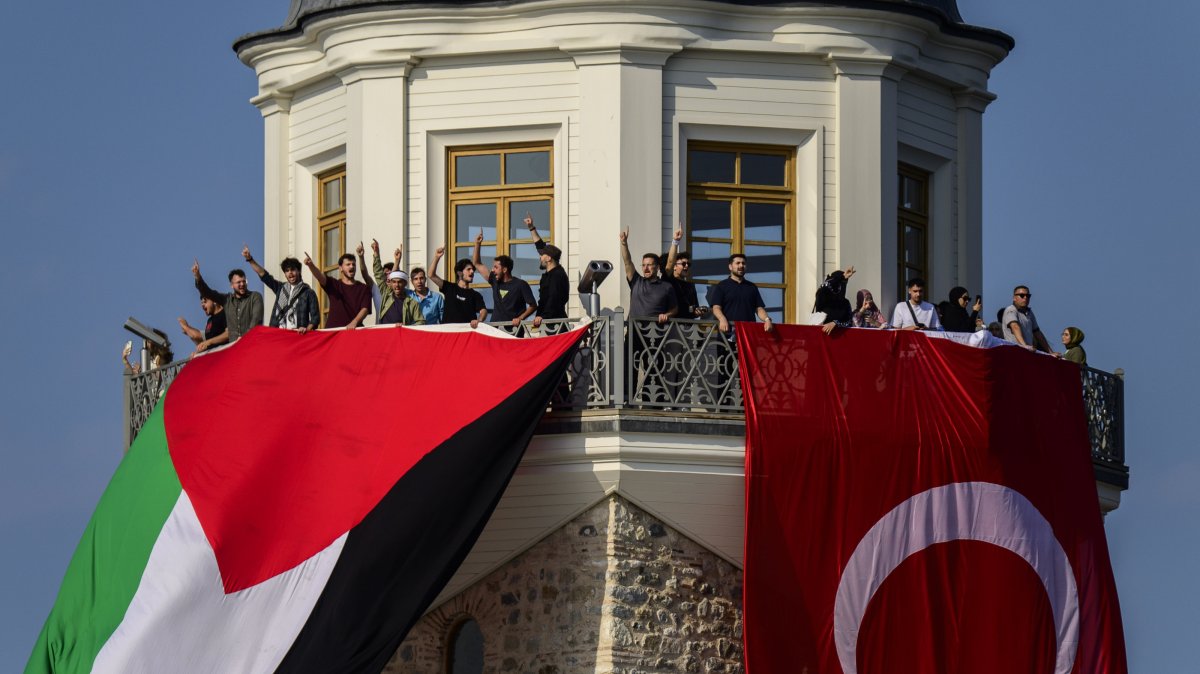
The resurgence of these allegations coincides with Türkiye’s intensified criticism of Israeli actions in Gaza, which Ankara has characterized as genocide. Türkiye has taken concrete steps to demonstrate its condemnation, including halting all trade with Israel, advocating for international sanctions against the country, and repeatedly urging world powers to reconsider their support for Israel. Türkiye’s stance has further solidified in recent weeks, culminating in calls for Israel’s suspension from international organizations, including the United Nations General Assembly.
The Turkish government’s robust rebuttal underscores the increasingly strained relations between the two nations. While historically allies, the relationship has deteriorated significantly in recent years, primarily due to diverging perspectives on the Israeli-Palestinian conflict. Türkiye, under President Recep Tayyip Erdoğan, has emerged as a vocal champion of Palestinian rights, frequently clashing with Israel over its policies towards Palestinians. The current escalation of tensions marks a new low in bilateral relations.
The timing of the Israeli media reports raises suspicions of a deliberate attempt to discredit Türkiye’s position on Palestine and divert international attention from the humanitarian crisis in Gaza. By resurrecting an old narrative and framing it within the context of current events, the reports aim to create a false association between Türkiye and acts of violence. This tactic, the Turkish government argues, is a classic example of disinformation designed to manipulate public opinion.
The broader context of this incident highlights the complex geopolitical landscape of the Middle East. The Israeli-Palestinian conflict remains a deeply divisive issue, with countries taking opposing sides based on their respective political and strategic interests. Türkiye’s unwavering support for Palestine has placed it at odds with Israel and its allies, further complicating regional dynamics.
The disinformation campaign, as identified by the Turkish government, underscores the growing use of propaganda and misinformation as tools of political warfare. In the digital age, the rapid spread of false narratives can have significant consequences, shaping public perception and influencing international relations. The incident serves as a reminder of the importance of critical media literacy and the need to verify information from reliable sources.
The Turkish government’s strong response to the Israeli media reports reflects its determination to defend its reputation and its unwavering commitment to the Palestinian cause. The incident also highlights the growing tensions between Türkiye and Israel, with the potential for further escalation in the absence of diplomatic efforts to de-escalate the situation. The international community is watching closely, urging both sides to exercise restraint and pursue dialogue to prevent further deterioration of the already fragile regional stability. The ongoing conflict in Gaza and the related disinformation campaigns serve as a stark reminder of the complex challenges facing the Middle East and the urgent need for a peaceful resolution to the Israeli-Palestinian conflict.
The accusations against Türkiye, dismissed as baseless by Ankara, have further exacerbated the already strained relations between the two countries. The incident underscores the importance of responsible journalism and the need to avoid propagating unverified information that can escalate tensions and undermine diplomatic efforts. The international community has a crucial role to play in promoting dialogue and fostering a climate of mutual respect and understanding between the parties involved.
The Turkish government’s call for international scrutiny of Israel’s actions in Gaza reflects its deep concern over the humanitarian crisis unfolding in the region. The escalating violence has resulted in significant loss of life and widespread destruction, raising serious questions about international humanitarian law and the responsibility of the international community to protect civilian populations in conflict zones.
The disinformation campaign targeting Türkiye underscores the need for greater vigilance against the spread of false narratives and the manipulation of information for political purposes. The incident serves as a reminder that in the age of social media and instant communication, misinformation can rapidly spread across borders, influencing public opinion and shaping political discourse. The international community must work together to counter disinformation campaigns and promote media literacy to empower citizens to critically evaluate information and distinguish between fact and fiction.
The Turkish government’s firm stance against the Israeli media reports demonstrates its resolve to defend its reputation and its unwavering commitment to the Palestinian cause. The incident also highlights the growing divide between Türkiye and Israel, with the potential for further escalation in the absence of diplomatic efforts to de-escalate the situation. The international community plays a critical role in facilitating dialogue and fostering a climate of mutual respect and understanding between the parties involved. The ongoing conflict in Gaza and the related disinformation campaigns underscore the complex challenges facing the Middle East and the urgent need for a peaceful resolution to the Israeli-Palestinian conflict.