


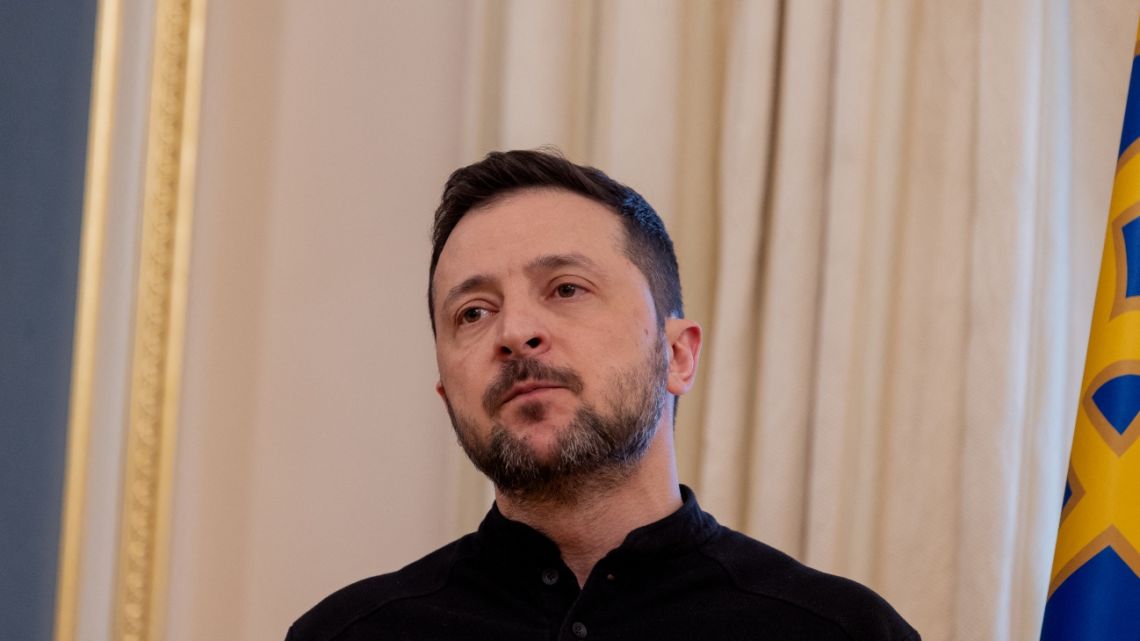
Disinformation Campaign Targets Zelenskyy Amidst Shifting US Political Landscape
The war in Ukraine has entered a new phase, not only on the battlefields but also in the digital realm. As US political dynamics shift and former President Donald Trump’s stance on the conflict evolves, a surge of disinformation targeting Ukrainian President Volodymyr Zelenskyy is flooding online platforms. This wave of misinformation, including deepfakes, manipulated videos, and recycled false narratives, aims to erode support for Ukraine and sow discord between Kyiv and Washington. The timing of this surge coincides with Trump’s increasingly critical remarks about Zelenskyy and the war effort, suggesting a potential link between political rhetoric and online disinformation campaigns.
The resurgence of old and new disinformation narratives paints a concerning picture. Deepfakes of Zelenskyy, along with fabricated videos purporting to show Ukrainian soldiers burning effigies of Trump and copies of his book, have resurfaced and gained traction. False claims about Zelenskyy’s extravagant purchases, including luxury villas and yachts, are also circulating widely. While some of this content had been debunked previously, it has found new life in the current political climate, amplified by prominent figures and social media influencers aligned with Trump. This coordinated effort to discredit Zelenskyy and undermine trust in Ukrainian leadership appears to be part of a broader strategy to influence public opinion and weaken international support for Ukraine’s defense against Russian aggression.
Researchers point to a sophisticated Russian disinformation operation, dubbed "Storm-1516," as the likely source of much of this content. This network, previously identified as being involved in influence campaigns targeting US elections, has now shifted its focus to the Ukrainian president. The videos exhibiting hallmarks of Storm-1516 productions strategically feature Ukrainian military insignia, but avoid showing clear faces or identifiable locations, making them difficult to verify and trace. The consistent themes and distribution patterns of these videos further corroborate the suspicion of a coordinated disinformation effort. The timing of the campaign, coinciding with Trump’s criticisms of Zelenskyy, highlights the potential for domestic political narratives to be exploited and amplified by foreign actors seeking to sow discord and undermine international alliances.
The spread of disinformation about Zelenskyy is not limited to fabricated videos. False narratives accusing him and his wife of corruption and lavish spending, despite Ukraine’s reliance on Western aid, have proliferated. These claims, often appearing in top search results related to Zelenskyy, have seen a marked resurgence following Trump’s questioning of the Ukrainian president’s legitimacy. The sheer volume of these online posts and articles suggests a concerted effort to manipulate public perception and portray Zelenskyy as unworthy of international support. This coordinated dissemination of false narratives poses a significant challenge to fact-checkers and media organizations struggling to counter the rapid spread of misinformation.
The implications of this disinformation campaign extend beyond online platforms. The narratives, especially those alleging corruption and misuse of aid, are designed to erode public trust in Zelenskyy and fuel skepticism about continued US support for Ukraine. This could influence policymakers and potentially impact future aid packages, further weakening Ukraine’s ability to defend itself. Moreover, the spread of these narratives contributes to a polarized information environment, making it increasingly difficult for the public to discern fact from fiction. This erosion of trust in credible sources of information poses a long-term threat to democratic discourse and informed decision-making.
Experts warn that this disinformation campaign is part of a broader Russian strategy to sow discord between the US and Ukraine, aiming to undermine the crucial partnership that has been vital to Ukraine’s defense. By portraying Ukraine as an untrustworthy ally and Zelenskyy as a corrupt leader, Russia seeks to influence US negotiators and potentially extract favorable terms in any future peace settlement. The success of this disinformation campaign in reaching influential figures, such as Elon Musk, underscores the insidious nature of these operations and the potential for even well-intentioned individuals to inadvertently spread false narratives. The confluence of shifting US political dynamics, amplified by a sophisticated Russian disinformation campaign, poses a significant threat to the ongoing support for Ukraine and underscores the urgent need for robust countermeasures to combat the spread of misinformation.