


Close Menu
DISADISA
  • Home
  • News
  • Social Media
  • Disinformation
  • Fake Information
  • Social Media Impact
Trending Now

The Instrumentalization of Social Media in the Sudanese Conflict

August 22, 2026

HRF Refutes Minister Lokesh’s Claim of Deliberate Misinformation on AI Data Centres in Visakhapatnam

August 22, 2026

Misinformation Acceptance and Usage among Cebuano Voters in Digital-Era Elections.

August 22, 2026
Facebook X (Twitter) Instagram
Facebook X (Twitter) Instagram YouTube
DISADISA
Newsletter
  • Home
  • News
  • Social Media
  • Disinformation
  • Fake Information
  • Social Media Impact
DISADISA
Home»News»Trump Issues Memo Initiating Crackdown on Pharmaceutical Advertising
News

Trump Issues Memo Initiating Crackdown on Pharmaceutical Advertising

Press RoomBy Press RoomSeptember 10, 2025No Comments
Facebook Twitter Pinterest LinkedIn Tumblr Email

Kennedy Launches Crackdown on Misleading Drug Ads, Vowing to End Era of Deception

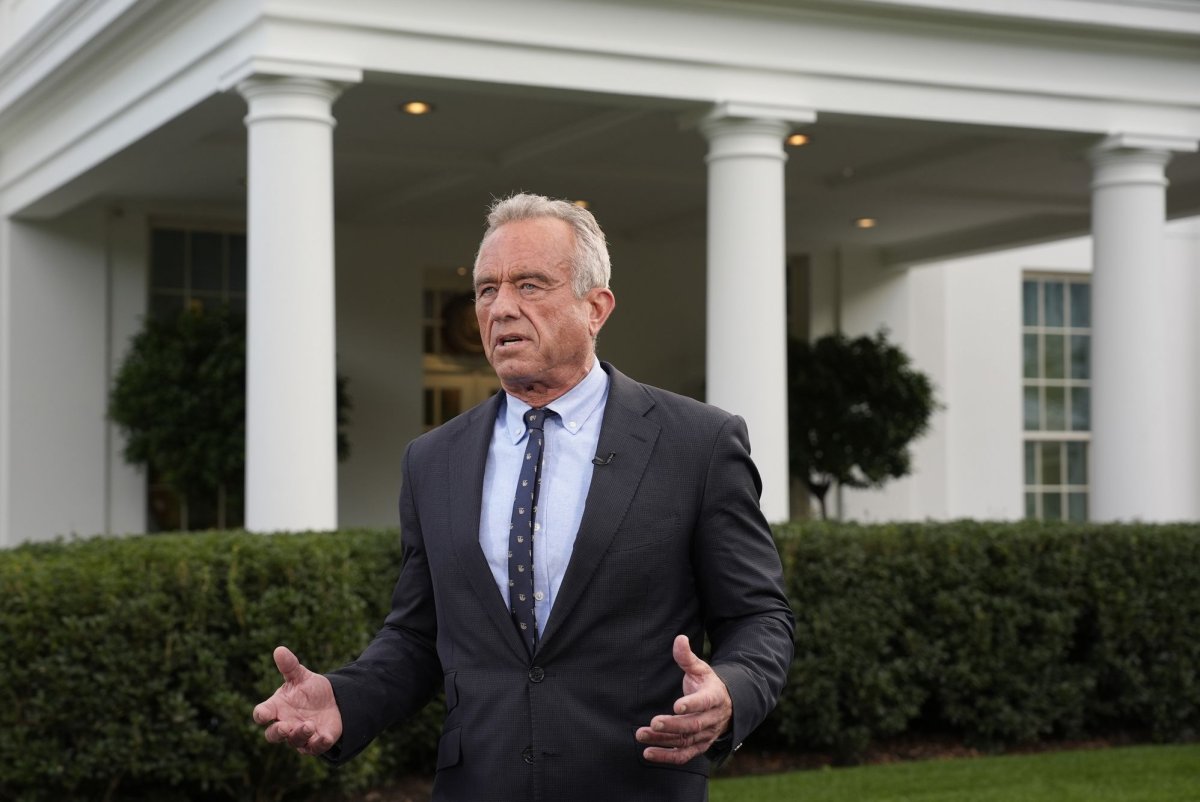
WASHINGTON – In a decisive move against rampant misinformation in pharmaceutical advertising, Health and Human Services Secretary Robert F. Kennedy Jr. announced a sweeping campaign to enforce truth and transparency in drug promotions. This initiative, spearheaded by a presidential memorandum signed by President Donald Trump, aims to curb misleading claims that have contributed to the nation’s prescription drug crisis. The announcement followed a White House television interview where Kennedy outlined the administration’s commitment to protecting American consumers from deceptive marketing practices.

The memorandum directs Kennedy to take all necessary measures to ensure that drug advertisements provide a balanced and comprehensive picture of both the benefits and risks associated with prescription medications. It specifically instructs the Food and Drug Administration (FDA) to rigorously enforce existing provisions within the Federal Food, Drug, and Cosmetic Act concerning drug advertising. This renewed focus on enforcement comes in response to concerns that the FDA’s regulatory framework has become lax over time, allowing drug companies to omit crucial safety information, particularly in broadcast advertisements.

Kennedy, speaking passionately on the issue, declared that pharmaceutical advertising has played a significant role in the nation’s opioid epidemic and broader prescription drug dependency. He vowed to dismantle the “pipeline of deception” by forcing pharmaceutical companies to disclose all critical safety information prominently in their advertising campaigns. The initiative represents a significant shift in policy, aiming to hold pharmaceutical companies accountable for misleading marketing tactics that prioritize profits over patient safety.

The HHS has already initiated concrete actions to address misleading drug advertising. Thousands of letters have been dispatched to pharmaceutical companies demanding the immediate removal of deceptive claims from their promotional materials. Furthermore, approximately 100 cease-and-desist letters have been issued to companies engaged in particularly egregious advertising practices. This robust enforcement approach signifies a departure from previous administrations’ more lenient stance, signaling a new era of stricter regulatory oversight.

This campaign reflects the administration’s growing concern over the pervasiveness of misleading drug advertisements and their impact on public health. The increasing volume of drug advertisements, coupled with a perceived decline in the completeness of information provided, has raised alarm bells within the government. The president’s memorandum emphasizes the importance of ensuring that consumers have access to accurate and balanced information to make informed decisions about their healthcare, empowering them to navigate the complex landscape of prescription drug options.

The crackdown on misleading drug advertisements marks a significant step towards fostering greater transparency and accountability within the pharmaceutical industry. By prioritizing patient safety and empowering consumers with accurate information, the administration seeks to restore trust in drug advertising and mitigate the harmful effects of deceptive marketing practices. The initiative’s long-term success will depend on the sustained commitment of the HHS and the FDA to enforce regulations rigorously and hold pharmaceutical companies accountable for their advertising claims. The impact of this campaign is likely to be closely scrutinized by consumer advocacy groups, healthcare professionals, and the pharmaceutical industry alike.

Share. Facebook Twitter Pinterest LinkedIn WhatsApp Reddit Tumblr Email

Read More

HRF Refutes Minister Lokesh’s Claim of Deliberate Misinformation on AI Data Centres in Visakhapatnam

August 22, 2026

Here are a few formal options, each with a slightly different emphasis:

Option 1 (Comprehensive and direct) “The Role of Partisan Bias in Misinformation Assessment: A Conflict Between Identity Defense and Differential Knowledge”

Option 2 (Focus on the mechanism) “Understanding Partisan Judgments of Misinformation: The Interplay of Identity Protection and Knowledge Asymmetry”

Option 3 (Concise and academic) “Partisan Bias in Misinformation Judgment: Identity Protection Versus Knowledge Disparity”

Option 4 (More mechanistic) “Assessing Misinformation Through a Partisan Lens: Mechanisms of Identity Preservation and Knowledge Gaps”

August 22, 2026

Here are a few options with a formal tone:

  1. SOTS and Candelora Accuse Each Other of Voter Misinformation
  2. SOTS, Candelora Trade Accusations of Voter Misinformation
  3. SOTS and Candelora Exchange Accusations of Misinformation

August 21, 2026
Add A Comment
Leave A Reply Cancel Reply

Our Picks

HRF Refutes Minister Lokesh’s Claim of Deliberate Misinformation on AI Data Centres in Visakhapatnam

August 22, 2026

Misinformation Acceptance and Usage among Cebuano Voters in Digital-Era Elections.

August 22, 2026

The Threat of AI-Enhanced Disinformation to Democratic Governance and National Security

August 22, 2026

Here are a few formal options, each with a slightly different emphasis:

Option 1 (Comprehensive and direct) “The Role of Partisan Bias in Misinformation Assessment: A Conflict Between Identity Defense and Differential Knowledge”

Option 2 (Focus on the mechanism) “Understanding Partisan Judgments of Misinformation: The Interplay of Identity Protection and Knowledge Asymmetry”

Option 3 (Concise and academic) “Partisan Bias in Misinformation Judgment: Identity Protection Versus Knowledge Disparity”

Option 4 (More mechanistic) “Assessing Misinformation Through a Partisan Lens: Mechanisms of Identity Preservation and Knowledge Gaps”

August 22, 2026
Stay In Touch
  • Facebook
  • Twitter
  • Pinterest
  • Instagram
  • YouTube
  • Vimeo

Don't Miss

Disinformation

Misinformation outlets exploit the alleged homicide of a teenager to drive online engagement.

By Press RoomAugust 22, 20260

Paragraph 1: Introduction and Core False Claim A broad wave of fabricated online reports is…

Here is a rewritten title in a formal tone:

Disinformation and Social Polarisation in the Context of Migration

August 21, 2026

Here are a few options with a formal tone:

  1. SOTS and Candelora Accuse Each Other of Voter Misinformation
  2. SOTS, Candelora Trade Accusations of Voter Misinformation
  3. SOTS and Candelora Exchange Accusations of Misinformation

August 21, 2026

Here is a single, formal title:

“Social Media Enhances Democratic Engagement, Yet the Pervasive Threat of Disinformation Persists”

August 21, 2026
DISA
Facebook X (Twitter) Instagram Pinterest
  • Home
  • Privacy Policy
  • Terms of use
  • Contact
© 2026 DISA. All Rights Reserved.

Type above and press Enter to search. Press Esc to cancel.