


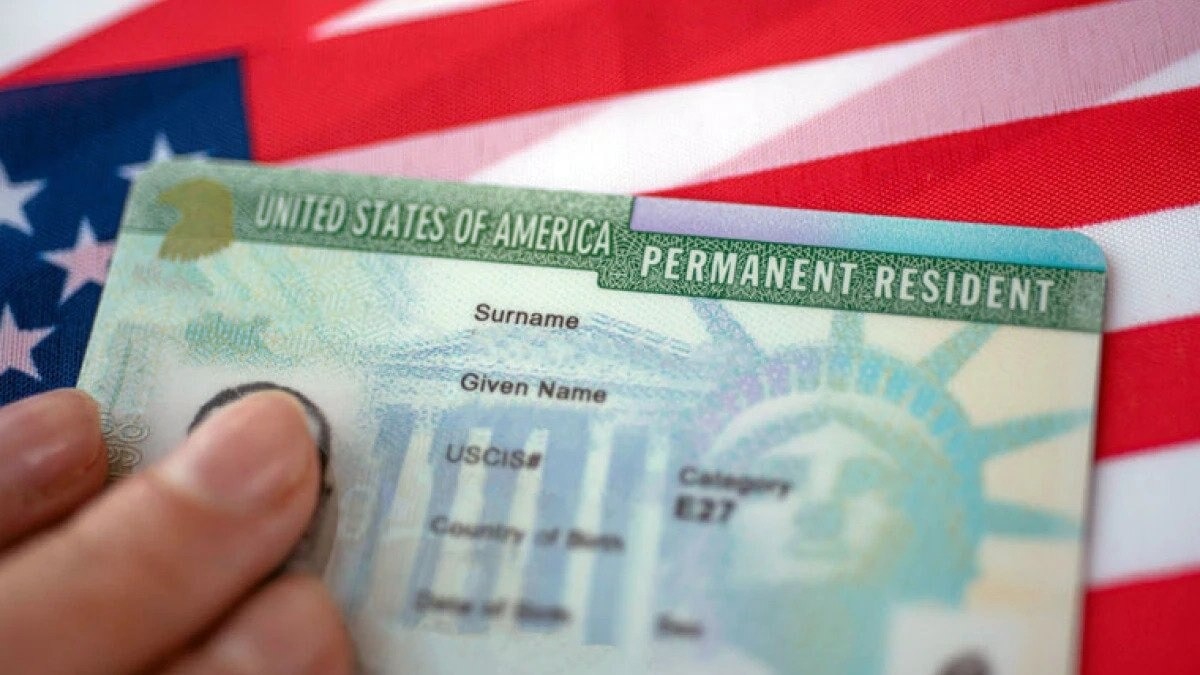
Trump Administration Halts Green Card Processing for Refugees and Asylum Seekers, Citing Security Concerns
Washington D.C. – In a move that has sent shockwaves through immigrant communities and advocacy groups, the Trump administration has quietly suspended the processing of green card applications for refugees and asylum recipients, effectively freezing their legal status in the United States. This abrupt decision, confirmed by multiple sources within the U.S. Citizenship and Immigration Services (USCIS) and the Department of Homeland Security (DHS), leaves thousands of individuals, who have already been granted protection based on credible fears of persecution, in a state of legal limbo and uncertainty. The directive, which has not been formally announced to the public, is reportedly already in effect, adding to the mounting anxiety among vulnerable populations seeking refuge in the U.S.
The DHS, in a statement responding to inquiries about the policy shift, attributed the halt to two executive actions signed by former President Donald Trump. These directives, according to DHS, raise concerns about the efficacy of immigration vetting procedures implemented under the Biden administration. The administration claims that the pause is necessary to conduct "additional screening and vetting" aimed at identifying potential fraud, public safety, or national security risks, aligning with the spirit of the aforementioned executive orders. Critics, however, argue that this move represents yet another attempt to curtail legal immigration and dismantle protections for vulnerable populations seeking safety and opportunity in the United States. They point to the inherent contradiction in granting asylum or refugee status, which signifies rigorous vetting has already occurred, and then subsequently questioning the adequacy of that very process.
This latest development comes amidst a broader push by the Trump administration to intensify scrutiny of immigrants applying for various forms of legal status, including green cards, asylum, and citizenship. Running parallel to the green card processing freeze is an expansion of social media surveillance for immigration applicants. USCIS is now mandating that all applicants provide their social media handles for government review, ostensibly to enhance identity verification and national security screening. This expansion of social media scrutiny marks a significant departure from previous practices, where such reviews were conducted on a more limited, case-by-case basis.
The increased social media surveillance has raised serious concerns among civil liberties advocates and immigration lawyers, who argue that this practice is overly intrusive, discriminatory, and ineffective in identifying genuine security threats. Requiring applicants to disclose their social media handles essentially grants the government access to a vast trove of personal information, including private conversations, political views, and associations, which could be misinterpreted or unfairly used against them. Furthermore, critics argue that this type of surveillance disproportionately impacts individuals from marginalized communities and countries where expressing dissenting opinions online can carry significant risks.
The new social media policy stems from a March 5, 2025, notice issued by the Department of Homeland Security, outlining plans to collect social media information from over 3.5 million immigrants annually. This vast data collection effort, according to the Federal Registrar, impacts a wide range of applicants, including individuals seeking green cards, citizenship, and various other immigration benefits. The policy is reportedly underpinned by Executive Order 14161, signed by President Trump in January 2025, which aims to strengthen immigration screening procedures. Under this new rule, nine key immigration forms will now require applicants to list their social media handles, although passwords are not required at this time.
The confluence of the green card processing freeze and the expanded social media surveillance paints a concerning picture for the future of immigration in the United States. These policies signal a continued hardening of the administration’s stance on immigration, prioritizing restrictive measures over the humanitarian considerations that have traditionally guided U.S. asylum and refugee policies. The long-term implications of these actions remain to be seen, but they undoubtedly create a climate of fear and uncertainty for countless individuals seeking refuge and opportunity in the United States, and further complicate an already complex and often arduous immigration process. The legality and ethical implications of these policies are likely to be challenged in the courts, setting the stage for protracted legal battles with potentially far-reaching consequences for the future of immigration in the United States.