


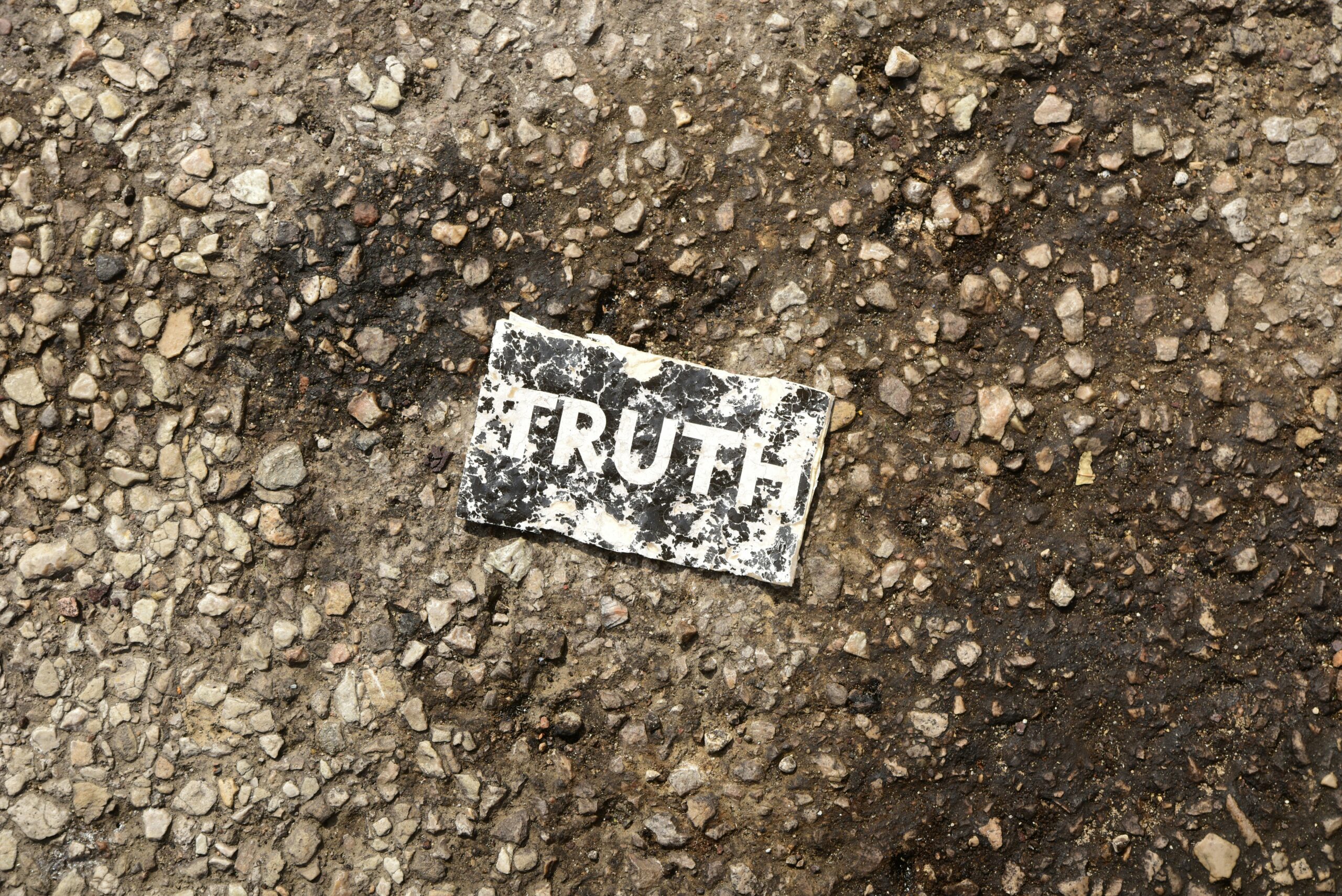
New Study Finds Most Americans Can Distinguish Real from Fake Political News Headlines
A new study published in the American Economic Review offers a refreshing counterpoint to the pervasive narrative of a "post-truth" era. The research, conducted by MIT and Columbia University economists, reveals that a significant majority of Americans, approximately 75%, can successfully differentiate between real and fabricated political news headlines. This finding challenges the widespread concern that objective truth is eroding in the face of rampant misinformation.
The study involved a series of quizzes administered to nearly 8,000 participants, representative of the U.S. population, between June 2019 and March 2022. Participants were presented with a mix of real and fake headlines and asked to identify the authentic ones. The fake headlines were crafted by professional journalists to ensure plausibility, while the real headlines were selected from reputable news sources like Reuters and the Associated Press, based on their editorial significance. This methodology, praised by independent experts, offers a robust and replicable framework for future research on news literacy.
While the overall ability to discern real news was encouraging, the study also uncovered demographic disparities. Younger, less educated individuals were more likely to fall for fake headlines compared to older, more educated participants. This trend was consistent across various socioeconomic groups, highlighting the importance of educational initiatives and media literacy programs. Interestingly, political affiliation did not significantly impact the ability to identify real news. Participants were only slightly less likely to identify a true headline if it portrayed their political party negatively.
The study’s findings directly challenge the popular "post-truth" narrative, which gained traction in the mid-2010s, particularly following the 2016 U.S. presidential election. This narrative suggests a societal decline in valuing and recognizing objective truth, fueled by political polarization and the proliferation of misinformation on social media. While the study doesn’t dismiss the existence of misinformation or political polarization, it does suggest that a significant portion of the population retains the ability to discern factual news.
While the study highlights a generally positive trend in news literacy, it also underscores the need for targeted interventions to address the vulnerabilities of specific demographic groups. The researchers emphasize the importance of understanding the underlying reasons for these disparities. For instance, while older individuals generally performed better, the researchers note the confounding influence of social media, where younger demographics are more active, and which has been linked to lower levels of news literacy. Future research should explore these factors in more detail to devise effective strategies for improving media literacy across all segments of society.
For journalists covering political misinformation online, several recommendations emerge from this research and related studies. First, it is crucial to be precise about which demographics are most susceptible to misinformation and avoid generalizations. While misinformation is a concern, it’s not equally distributed across the population. Older individuals and those with more conservative political leanings have been shown to be more vulnerable. Second, it’s important to analyze misinformation through a supply and demand lens. Understanding the motivations behind both the creation and consumption of false information is critical for developing effective countermeasures. Finally, context is paramount when reporting on the spread of misinformation. Raw numbers, such as the number of times a fake news story is shared, should be presented in relation to overall online activity to accurately assess their impact.
The study’s findings provide a much-needed dose of optimism in an era often characterized by pessimism about the public’s ability to navigate the complex information landscape. While challenges remain, the fact that most Americans can distinguish real from fake news headlines offers hope that informed public discourse is still attainable. Continued research and targeted interventions are crucial to ensure that this ability is preserved and strengthened in the face of evolving misinformation tactics. Further investigation into the underlying causes of varying news literacy levels across different demographics is essential for developing effective educational strategies and mitigating the negative impacts of misinformation.