


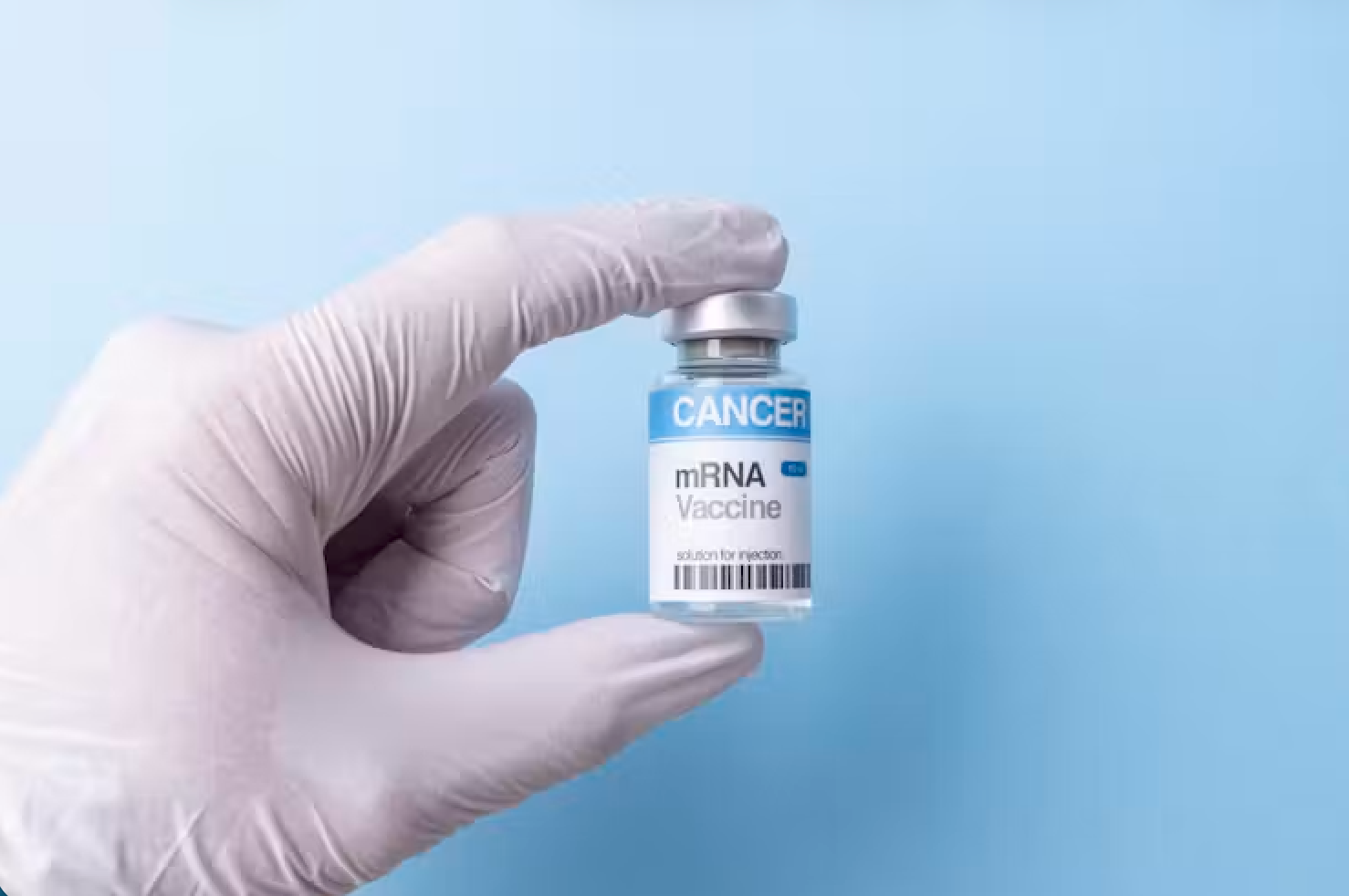
For the first time, an mRNA cancer vaccine has succeeded in a late-stage clinical trial, a milestone that could fundamentally alter cancer treatment. On August 19, 2026, Moderna and Merck announced that their personalized messenger RNA vaccine, intismeran autogene, reduced melanoma recurrence when given alongside the immunotherapy drug Keytruda. The announcement provides the strongest evidence yet that mRNA technology, widely associated with COVID-19 shots, can be harnessed to fight cancer. Intismeran autogene is tailor-made for each patient from the unique mutations in a person’s tumor. It is designed to teach the immune system to recognize and attack residual cancer cells that might otherwise cause the disease to return. Combining the vaccine with Keytruda, a checkpoint inhibitor that removes brakes on immune cells, appeared to lower the risk of melanoma recurrence in patients who received it. The trial focused on patients with high-risk melanoma, a group that faces significant chances of the disease coming back after surgery. Full results and regulatory approvals are still pending, but the outcome could open the door to a wave of mRNA vaccines for many other tumor types. Although the companies have not yet released complete data, the announcement is being hailed as a turning point by many researchers, who also caution that longer follow-up is needed to understand how durable the response is. The field has been moving toward this moment for years. Since the early 2000s, more than 120 clinical trials have tested mRNA vaccines against melanoma, brain, breast, lung, prostate and other cancers. Yet the same technology that produced this breakthrough has also become a target for misinformation. Researchers say false narratives that circulated during the COVID-19 pandemic, especially the baseless claim that mRNA vaccines cause “turbo cancer,” could undermine public trust at exactly the time mRNA cancer therapies are approaching wider clinical use. The melanoma vaccine’s success is therefore not only a biological achievement but also a test of whether science can outrun misinformation.
Most people first heard of mRNA through COVID-19 vaccines, but scientists have been studying the technology for decades. Messenger RNA vaccines work by delivering instructions that prompt cells in the body to make specific proteins. Those proteins serve as a sort of wanted poster, teaching the immune system to recognize and attack anything that carries them. In cancer research, scientists design highly targeted vaccines that train the immune system to identify tumor cells and kill them more effectively while leaving healthy cells alone. The personalized approach is especially important. Each cancer has its own genetic fingerprint, so a vaccine can be made from a patient’s tumor sample to alert the immune system to that exact set of mutations. This strategy has been tested in many forms and many cancers. One notable example is glioblastoma, an aggressive brain tumor with few effective treatments. Researchers have found that a personalized mRNA vaccine can rapidly activate the immune system against this type of brain cancer and improve survival in early studies. Similar work is underway for melanoma, breast, lung, prostate and other malignancies. The body of evidence is growing that mRNA vaccines can transform how researchers harness the immune system to treat cancer. However, even the most promising medical advances can only improve health if people are willing to use them. That willingness depends on public trust, and trust cannot be taken for granted when social media is flooded with claims that mRNA vaccines cause disease rather than prevent or treat it. The gap between scientific progress and public understanding is now one of the biggest obstacles facing the field, according to health communication researchers and clinicians involved in cancer care. Without that trust, the science itself may not be enough to save lives.
Although national headlines may make these breakthroughs feel distant, the research has direct ties to Central Florida. An Orlando site participated in KEYNOTE-942, an earlier clinical trial studying Moderna and Merck’s personalized mRNA melanoma vaccine in combination with Keytruda. That trial helped lay the groundwork for the late-stage results announced in August. AdventHealth Cancer Institute has separately participated in the development of personalized mRNA cancer vaccines, becoming the first U.S. site and only Florida site at the time to open a Phase II trial testing the technology against bladder cancer. Together, these studies demonstrate that personalized mRNA cancer treatments are not confined to distant academic medical centers. Patients and researchers in the Orlando area, including in communities near Apopka, have already helped advance the science. Their participation reflects a broader trend: clinical trials for cancer vaccines are accelerating across the country, and community-based health systems are increasingly central to bringing new therapies to patients. Clinical trial participation is often seen as a last resort, but these studies show it can also be a way to gain access to cutting-edge treatments. Patients in the Orlando area who enroll in such trials are not just subjects; they are partners in developing therapies that could benefit people around the world. Local involvement also highlights how quickly the field is moving. A technology that was experimental only a few years ago is now being tested in late-stage trials, with the expectation that some mRNA cancer vaccines may eventually become standard care. The earlier melanoma trial in Orlando and the bladder cancer trial at AdventHealth are examples of how scientific discoveries are translated into patient care through local clinical research. But the path from trial results to real-world adoption is not purely scientific. Public acceptance will be shaped by the same information environment that has allowed vaccine misinformation to spread, which means the work of building trust is not happening only in laboratories. It is happening in hospitals, clinics and community conversations across the country.
Set against this progress is the rise of the “turbo cancer” narrative. Turbo cancer is a term often used by anti-vaccine advocates who claim, without credible evidence, that COVID-19 mRNA vaccines cause unusually aggressive cancers. The false story began spreading widely on social media, and mainstream media outlets first reported on it in late 2022. It has since been amplified by public figures. In September 2025, a controversial U.K. cardiologist claimed that the COVID-19 vaccine contributed to the royal family’s recent cancer diagnoses, drawing immediate backlash from the medical community. Although uncommon, some public figures and health professionals have suggested the vaccines cause cancer, often by misinterpreting or misrepresenting studies. Health misinformation is defined as false or misleading health-related claims that are not supported by scientific evidence, are based on unverified personal stories, or are opinions presented as facts. Researchers have documented similar patterns in discussions about the HPV vaccine, where safety fears, mistrust of authority and conspiracy claims were widespread online. The COVID-19 pandemic accelerated these trends, creating what researchers call an infodemic: the rapid spread of both accurate and false information during a health crisis. The turbo cancer narrative reflects the same patterns and narratives. In a social listening study systematically monitoring online conversations, researchers observed countless posts beginning in July 2023 and continuing through early 2026. Many posts rely on emotionally compelling anecdotes, misinterpretations of animal studies, misuse of adverse event reports and recycled myths such as vaccines altering human DNA. Some posts link rising cancer rates in younger adults to COVID-19 vaccination. However, large population studies have found no increased cancer risk following vaccination. None of these claims are supported by credible evidence, but on social media, repetition, personal stories and scientific-sounding language can make misinformation appear legitimate and spread quickly. Researchers monitoring these conversations say the turbo cancer narrative is not an isolated rumor and has persisted for years. The persistence of these narratives is a warning sign for those developing mRNA cancer vaccines, because people who have heard that mRNA technology is dangerous may not distinguish between a COVID-19 vaccine and a cancer vaccine.
At first glance, fringe claims such as turbo cancer may seem easy to dismiss. But health communication research shows they can have real-world consequences, and cancer-related misinformation can be especially consequential. For patients with cancer, the stakes in these decisions are higher than for almost any other health choice, because the window for effective treatment is often short. Inaccurate information about cancer treatment is common online and has been shown to influence patient decisions. When patients rely on unproven approaches instead of recommended therapies, their risk of death can increase substantially. Clinicians are already seeing these effects in routine care. Oncologists report having to address myths and misleading information that patients have encountered, though researchers do not yet know how common these conversations are across cancer care. For mRNA cancer vaccines, the stakes are particularly high. The technology is entering a pivotal phase in its development. Scientific progress is accelerating, but public understanding has not kept pace. Repeated exposure to misleading claims can erode trust in mRNA technology over time, increasing the likelihood that some patients will decline mRNA therapies in the future. If misleading narratives such as turbo cancer continue to spread, they could complicate the rollout of mRNA vaccines and limit their lifesaving benefits. The success of the melanoma vaccine might be seen as proof that the science works, but clinical efficacy does not automatically translate into public uptake. Cancer patients and their families will have to decide whether to trust a technology that has become a flashpoint in a broader information war. Research suggests that if misinformation goes unanswered, it can fill the vacuum and shape decisions in ways that harm health. The challenge is not simply correcting false facts; it is addressing the deeper mistrust that makes people vulnerable to misinformation in the first place. Health officials and doctors will need strategies that acknowledge patient concerns while clearly presenting evidence. Cancer misinformation can also increase anxiety and make it harder for patients to communicate openly with their care teams, adding another layer of difficulty to treatment decisions.
Keeping communication in pace with science has become as important as the science itself. Once misinformation takes hold of public understanding, changing its course is difficult. Research has consistently shown that proactive, transparent and persuasive communication can counter misinformation, but trust, once lost, is difficult to rebuild. Medical innovations can save lives only if communication keeps up. That means monitoring emerging misinformation trends on social media, addressing concerns early, equipping clinicians with effective patient conversation tools, and designing public health messages that build understanding of new medical technologies before they are widely introduced in the clinic. Communication efforts should begin now, long before mRNA cancer vaccines become widely available, so that false narratives do not become entrenched. Researchers emphasize that trusted messengers, such as oncologists, primary care physicians, and community health workers, are often more effective than social media campaigns alone. Scientific innovation alone is not enough to improve health. Ensuring that the public can evaluate medical innovations like mRNA cancer vaccines based on evidence rather than viral misinformation is part of the scientific challenge. The future of cancer care depends not just on scientific discovery, but on public understanding and trust. For patients with melanoma and other cancers, the new mRNA vaccine results offer real hope. But translating that hope into durable public health gains will require more than lab breakthroughs. It will require a deliberate effort to keep misinformation from undermining one of the most promising cancer treatment developments in decades. The key points are clear: a personalized mRNA cancer vaccine has succeeded in a late-stage trial for the first time; it reduced melanoma recurrence when combined with Keytruda; researchers are studying mRNA vaccines for many cancers; large population studies have found no increased cancer risk following COVID-19 vaccination; and early, transparent communication will be critical to building public confidence in future mRNA cancer treatments. The coming years will show whether scientific progress and public trust can move forward together. For now, the science has taken a major step forward, but the battle for public confidence remains an open question.