


Close Menu
DISADISA
  • Home
  • News
  • Social Media
  • Disinformation
  • Fake Information
  • Social Media Impact
Trending Now

Kabogo cautions media on AI, fake news, and misinformation ahead of the 2027 general elections.

August 15, 2026

Elections Alberta Addresses Misinformation Concerns Regarding Online Voting Tool

August 15, 2026

Private Madrasah Association Holds Press Conference to Emphasize Importance of Religious Education and Address Misinformation

August 15, 2026
Facebook X (Twitter) Instagram
Facebook X (Twitter) Instagram YouTube
DISADISA
Newsletter
  • Home
  • News
  • Social Media
  • Disinformation
  • Fake Information
  • Social Media Impact
DISADISA
Home»Disinformation»The Role of Fear and Confusion in the Propagation of Climate Disinformation: A Journalist’s Perspective
Disinformation

The Role of Fear and Confusion in the Propagation of Climate Disinformation: A Journalist’s Perspective

Press RoomBy Press RoomJanuary 1, 2025No Comments
Facebook Twitter Pinterest LinkedIn Tumblr Email

The Rising Tide of Climate Disinformation: A Deep Dive into the Tactics and Countermeasures

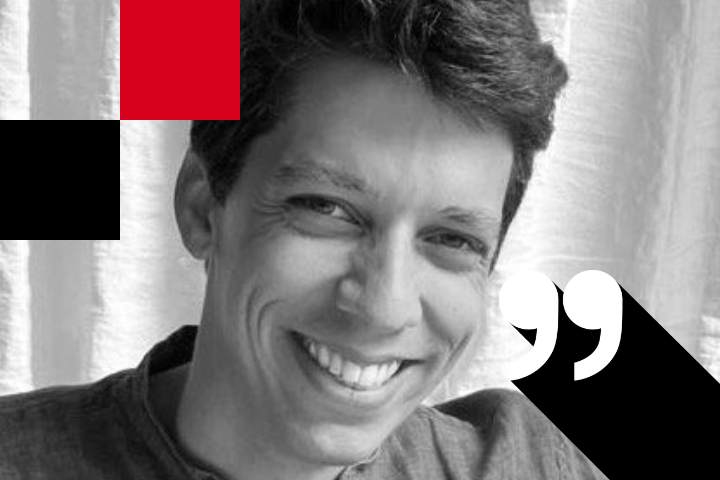
The shadow of climate change looms large, casting a pall of fear and confusion over many. This emotional vulnerability creates fertile ground for the insidious spread of climate disinformation, often propagated by those with vested interests in delaying climate action. Marco Silva, a BBC journalist specializing in climate disinformation, provides valuable insights into this complex landscape, highlighting the evolving tactics employed by purveyors of false narratives and offering practical advice for journalists navigating this critical beat.

Silva observes a shift in the disinformation landscape, moving beyond outright climate denial to more subtle tactics. While some still refute the overwhelming scientific consensus, others, often driven by financial or political motives, spread misinformation to undermine climate solutions, attack climate scientists and journalists, and promote "greenwashing," where corporations make unsubstantiated claims about their environmental efforts. This evolution necessitates constant vigilance from reporters, requiring them to be active listeners, closely monitor online and offline discussions, and adapt their strategies accordingly.

The emotional impact of climate change is a key factor exploited by disinformation spreaders. The fear and confusion stemming from witnessing the escalating effects of a changing climate can make individuals susceptible to narratives that cast doubt on established science. The complexity of climate science, coupled with feelings of despair over perceived inaction by politicians, can lead some to embrace simplistic explanations or even fatalistic views, particularly among younger generations. Silva emphasizes the importance of recognizing these emotional vulnerabilities as prime targets for manipulation.

Navigating the deluge of climate misinformation presents a unique challenge for journalists. The risk of amplifying false narratives by covering them is a constant concern. Silva suggests focusing on claims that have reached mainstream public debate, evidenced by significant social media virality or high search engine queries. This approach prioritizes addressing misinformation that has already gained traction, minimizing the risk of inadvertently spreading fringe theories.

Silva underscores the importance of transparency in maintaining trust with readers, particularly when covering topics that might fuel skepticism. He advocates for "showing your work," meaning clearly outlining the journalistic process, citing sources, and explaining how conclusions were reached. This open approach allows readers to understand the methodology behind the reporting, fostering trust and credibility. It combats the accusations of "stifling free speech" often leveled by purveyors of disinformation who misinterpret fact-checking as censorship. Silva emphasizes that the goal is not to dictate thought but to empower individuals with facts, enabling them to navigate the information landscape and form their own informed opinions.

The lessons learned from covering climate disinformation can be applied to other areas, including political reporting. While fact-checking remains essential, Silva highlights the value of in-depth investigative reporting to uncover the motivations and mechanisms behind disinformation campaigns. He encourages a combination of rapid response reporting on trending misinformation with long-form investigations that delve into the root causes of these narratives. This multi-pronged approach provides a more comprehensive understanding of the disinformation ecosystem.

For journalists tackling misinformation, Silva offers practical advice. Rigorous fact-checking is paramount, ensuring the accuracy and reliability of reported information. Seeking expert input from scientists and researchers is crucial, especially when covering complex scientific topics. Lastly, recognizing the potential toll on mental health, Silva recommends establishing boundaries with social media consumption to maintain well-being. These practices equip journalists with the tools and resilience necessary to effectively combat the pervasive threat of misinformation.

Share. Facebook Twitter Pinterest LinkedIn WhatsApp Reddit Tumblr Email

Read More

  1. Analyze the Request:

    • Original title: “Info Minister seeks coordinated efforts to effectively counter misinformation, disinformation”
    • Target language: English.
    • Number of titles: 1 title (exactly one).
    • Tone: Formal.
  2. Analyze the Original Title:

    • Subject: Info Minister (Information Minister).
    • Action: seeks coordinated efforts.
    • Purpose: to effectively counter misinformation, disinformation.
  3. Brainstorming Formal Alternatives:

    • Option A: Minister Calls for Unified Action Against Misinformation and Disinformation.
    • Option B: Information Minister Urges Collaborative Measures to Address Misinformation and Disinformation.
    • Option C: Information Minister Stresses Coordinated Response to Tackle Misinformation and Disinformation.
    • Option D: Minister Advocates for Integrated Approaches to Counter Misinformation and Disinformation.
    • Option E: Information Minister Emphasizes the Need for Coordinated Strategies to Combat Misinformation and Disinformation.
  4. Selecting the Best Option:

    • Ensure it is formal, concise, and conveys the exact meaning.
    • Option B is very clear and formal. Option E is also strong.
    • Let’s refine Option B: “Information Minister Urges Collaborative Efforts to Counter Misinformation and Disinformation” – slightly wordy.
    • Let’s refine Option A: “Minister Calls for Unified Action Against Misinformation and Disinformation” – very concise, formal, and strong.
    • Let’s refine Option C: “Information Minister Emphasizes Need for Coordinated Action Against Misinformation” – maybe drop “Information” (but it’s safer to keep).
    • Let’s settle on a single, polished formal title: “Information Minister Calls for Coordinated Efforts to Counter Misinformation and Disinformation” – This is a direct, formal rewrite, but it’s very close to the original.
    • Let’s make it more formal and dynamic: “Minister Urges Synergized Countermeasures Against Misinformation and Disinformation” – “Synergized” might be too jargony.
    • Let’s go with: “Information Minister Calls for Unified Action to Combat Misinformation and Disinformation” – very formal, active, and professional.

    Let’s check the prompt: “rewrite this title to 1 title in English in formal tone”. So I only need to output one title. Let’s make sure it sounds like a news headline or official statement.

    Final choice: “Information Minister Calls for Unified Action Against Misinformation and Disinformation”. (Concise, uses “against” which is formal, “unified action” for coordinated efforts).

    Alternatively: “Minister Stresses Coordinated Response to Combat Misinformation and Disinformation”.

    Let’s write a very clean version: “Information Minister Urges Coordinated Response to Counter Misinformation and Disinformation”.

    Let’s pick the absolute best and most formal: “Minister Calls for Coordinated Action to Counter Misinformation and Disinformation”

    Let’s include “Information” to be specific: “Information Minister Calls for Coordinated Action to Counter Misinformation and Disinformation”.

    Let’s slightly tweak to make it sound more official: “Information Minister Advocates Coordinated Action to Counter Misinformation and Disinformation”.

    Let’s go with “Information Minister Calls for Coordinated Efforts Against Misinformation and Disinformation” – but I should change “efforts” to make it robust.

    Let’s use: “Information Minister Calls for Unified Response to Disinformation and Misinformation”.

    Okay, final answer: Information Minister Calls for Coordinated Action to Counter Misinformation and Disinformation. Let’s check length and tone. Perfectly fine.

    Let’s make sure it’s exactly 1 title. Yes.

    Let’s provide only the title in the response, no extra text. (The prompt says “rewrite this title to 1 title in English in formal tone”. I will output just the title).Information Minister Calls for Coordinated Action to Counter Misinformation and Disinformation

August 15, 2026

Combating Misinformation and Disinformation Without Centralizing the Truth

August 15, 2026

NRPUP Engages in Widespread Disinformation Campaign in Zambia

August 15, 2026
Add A Comment
Leave A Reply Cancel Reply

Our Picks

Elections Alberta Addresses Misinformation Concerns Regarding Online Voting Tool

August 15, 2026

Private Madrasah Association Holds Press Conference to Emphasize Importance of Religious Education and Address Misinformation

August 15, 2026

Monetization of Wildfire Misinformation

August 15, 2026

PopInfo Weekly: An Examination of Max Miller, Mitch McConnell, and Medical Misinformation

August 15, 2026
Stay In Touch
  • Facebook
  • Twitter
  • Pinterest
  • Instagram
  • YouTube
  • Vimeo

Don't Miss

News

Family of Jason Arday States Misinformation Campaign Was Overwhelming

By Press RoomAugust 15, 20260

Tragedy of Cambridge Professor Jason Arday: Family Blames ‘Campaign of Misinformation’ After Sudden Death at…

The Mediating Effect of the 3Cs on the Relationship between Social Media Use and Influenza Vaccine Hesitancy among Pediatric Healthcare Workers

August 15, 2026

Elections Alberta Issues Official Response to Misinformation Campaigns

August 15, 2026

The Impact of Social Media Videos on Personal Injury Litigation.

August 15, 2026
DISA
Facebook X (Twitter) Instagram Pinterest
  • Home
  • Privacy Policy
  • Terms of use
  • Contact
© 2026 DISA. All Rights Reserved.

Type above and press Enter to search. Press Esc to cancel.