


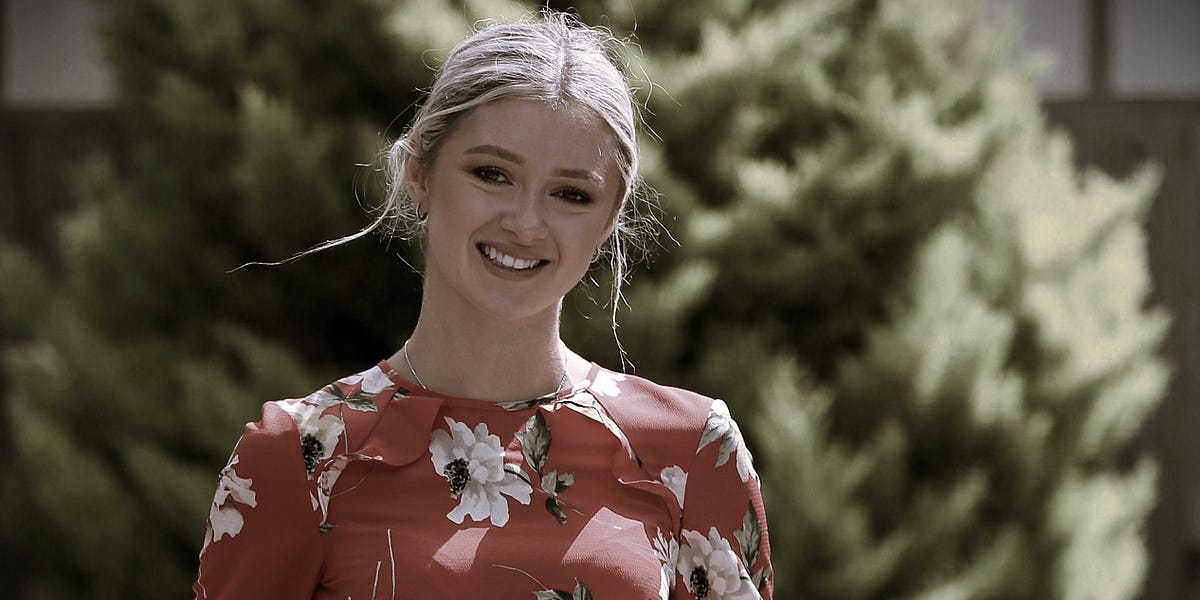
The Tragic Case of Paloma Shemirani: A Life Lost to Misinformation
The story of Paloma Shemirani, a bright young Cambridge graduate who tragically died from cancer after refusing conventional treatment, serves as a stark reminder of the devastating consequences of misinformation in the digital age. Paloma’s mother, Kate Shemirani, a former nurse, propagated conspiracy theories about the pandemic and healthcare, branding hospitals as “death camps” and vaccines as instruments of genocide. Influenced by her mother’s beliefs, Paloma opted for unproven alternative therapies, rejecting chemotherapy that offered a high chance of survival. This tragic outcome underscores the urgent need to address the spread of misinformation and its impact on vulnerable individuals. Paloma’s case is not an isolated incident; it is a symptom of a broader societal problem fueled by social media, political polarization, and a growing distrust of established institutions.
Kate Shemirani: From Nurse to Conspiracy Theorist
Kate Shemirani’s descent into the world of conspiracy theories began years before the pandemic. Initially expressing skepticism about conventional medicine, her views gradually escalated, embracing increasingly outlandish claims. By 2020, she was publicly denouncing the pandemic as a hoax and vaccines as a tool for mass depopulation. Banned from practicing nursing, she rebranded herself as “the natural nurse,” selling alternative health products and services. Her social media presence, amplified after reinstatement on platforms like X (formerly Twitter), became a breeding ground for misinformation. While some dismissed her claims, others, seeking stability in uncertain times, found solace in her alternative narratives. The tragic irony is that her own daughter would become a victim of the very misinformation she spread.
Sebastian Shemirani: A Son’s Plea for Reason
Sebastian Shemirani, Kate’s estranged son, witnessed his mother’s transformation with growing concern. He described their relationship as strained, viewing his mother as a public health risk rather than a close relative. Attempts to reason with her proved futile, only solidifying her convictions. He recognized the futility and even harm of engaging with her entrenched beliefs. Following Paloma’s death, both Sebastian and his twin brother Gabriel attributed their sister’s tragic decision to their mother’s influence and coercive control. Their story highlights the devastating impact of conspiracy theories not only on individuals but also on families and relationships.
The Allure of Unevidenced Beliefs: A Deeper Dive
The proliferation of misinformation raises a critical question: why are so many people drawn to beliefs that lack evidence, even in the face of overwhelming scientific consensus? Professor J. McKenzie Alexander of the London School of Economics argues that these beliefs often fulfill a social function, providing a sense of belonging and purpose in a world increasingly characterized by inequality and alienation. In his view, these beliefs are not merely inert opinions but drivers of action, potentially leading to harmful consequences. He suggests that the current social and political climate actively encourages such beliefs, as they become markers of group identity.
The Role of Social Media and Populist Politics
Social media algorithms amplify the reach of misinformation, prioritizing engagement over factual accuracy. Populist politicians exploit these vulnerabilities, using emotionally charged rhetoric and simplistic narratives to appeal to anxieties and grievances. This creates a feedback loop where misinformation reinforces existing biases and creates echo chambers, making it increasingly difficult to discern fact from fiction. The cases of Donald Trump’s election and the Brexit referendum illustrate how emotionally driven beliefs, rather than rational deliberation, can shape political outcomes. Prof. Alexander points out how vague slogans, like “Make America Great Again,” serve as Rorschach tests, allowing individuals to project their own interpretations onto them, fostering a sense of shared purpose while lacking a concrete basis in reality.
The Human Cost of Misinformation
The death of Paloma Shemirani is a tragic reminder of the human cost of misinformation. While individual “truths” may proliferate in our curated online worlds, shared reality ultimately dictates the consequences of our choices. Beyond debates about fact-checking and social media regulation, a more fundamental question must be addressed: what makes unfounded beliefs so appealing in our time? Prof. Alexander’s work suggests that these beliefs often serve a social and psychological function, providing meaning and belonging in a world where traditional sources of identity and community have weakened. Addressing the underlying societal issues that fuel these beliefs is crucial to combating the spread of misinformation and mitigating its devastating consequences. The focus should be on understanding the psychological and sociological needs that these beliefs fulfill and finding ways to address them constructively. The alternative is a world where lives like Paloma’s are lost to the allure of misinformation, a world where shared reality itself is under threat.