


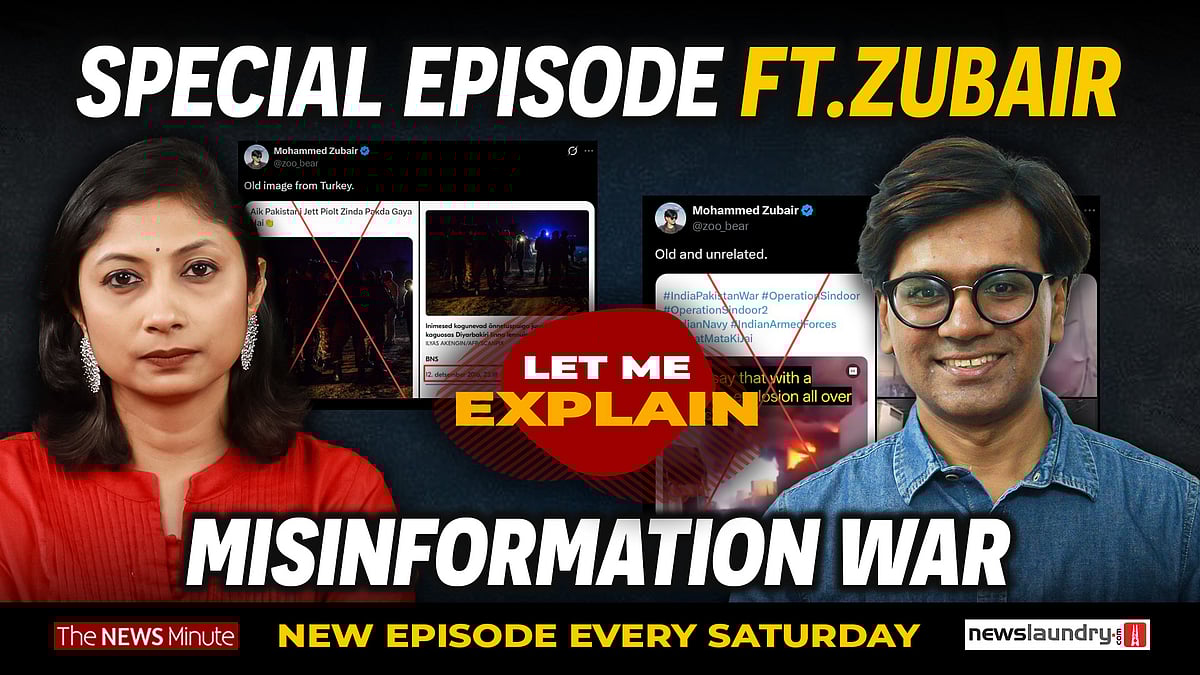
The Fog of War: Navigating the Battlefield of Misinformation in the Digital Age
In the tumultuous landscape of war and conflict, a hidden battle rages – a war of information, a struggle for narrative control. As geopolitical tensions escalate, our innate desire for immediate updates drives us to the digital battleground of social media. Yet, this very platform designed for instant connection becomes a breeding ground for misinformation, a minefield of manipulated narratives, and a vector for malicious intent. Before the first physical shot is fired, the first informational bullet, the first insidious lie, is launched into the digital ether. Social media’s virality amplifies these falsehoods, blurring the lines between reality and fabrication, sowing confusion, manipulating perceptions, and fueling animosity.
The dangers of misinformation are not hypothetical; they manifest in tangible consequences. Doctored videos depicting missile strikes may be nothing more than repurposed clips from video games. False narratives of retaliation, such as the fabricated Pakistani attack on an Indian military colony, rapidly disseminate across social media, gaining traction before truth can catch up. Similarly, manipulated videos showcasing fires are deceptively presented as attacks on military installations. These instances underscore the critical need for vigilance and discernment in the face of rapidly spreading information, especially during times of heightened tension.
Recognizing the insidious nature of misinformation during conflict, this article features Mohammed Zubair, a dedicated fact-checker, who sheds light on the pervasive disinformation campaigns following the Pahalgam attack. Zubair highlights the sophisticated nature of these campaigns, where fabricated information often mimics credible news, making it challenging even for seasoned journalists to distinguish fact from fiction. The pressure to break news first can inadvertently contribute to the spread of misinformation, as the imperative to be first sometimes overrides the necessity to verify.
The pervasiveness of misinformation underscores the vital role of fact-checking, not as an optional exercise, but as a crucial defense against manipulation. Individuals like Zubair exemplify the importance of holding the line against falsehoods, even in the face of personal threats and abuse. Organizations like The News Minute champion independent journalism and fact-checking, recognizing their essential role in safeguarding truth and combating the spread of misinformation, not for profit or clicks, but for the sake of truth itself. This dedication is exemplified by their "Buy 1, Gift 1" subscription offer during Press Freedom Week, a symbolic gesture encouraging the spread of factual information over the virality of fake news.
The responsibility for combating misinformation does not rest solely on journalists. The consequences of unchecked falsehoods impact every individual, highlighting the importance of media literacy for all. Historical examples, from Nazi propaganda to the fabricated incubator baby story during the Gulf War, to the false justifications for the 2003 Iraq invasion, demonstrate the devastating impact of misinformation in shaping public opinion and influencing geopolitical decisions. These historical precedents serve as stark reminders of the potential for misinformation to manipulate narratives, fuel conflict, and erode public trust.
The tactics of misinformation remain consistent throughout history, adapting to the evolving media landscape. In modern conflicts, from the Israel-Palestine conflict to ongoing geopolitical tensions, we witness the continued use of shocking, unverified videos and decontextualized images to manipulate public perception. The amplification of disinformation by official sources and major media outlets further exacerbates the problem, eroding public trust in institutions and creating a fertile ground for cynicism. Finland’s proactive approach to media literacy education, where students are taught to critically evaluate information before sharing, offers a promising model for empowering individuals to navigate the complexities of the digital age. Kerala’s previous efforts in this area further emphasize the importance of such initiatives.
Misinformation is not merely an accidental byproduct of the information age; it is a deliberate strategy, a weapon deployed in the digital battlefield. It obscures truth, fuels animosity, and erodes compassion, ultimately undermining the very foundations of informed decision-making. In the face of this pervasive threat, it is incumbent upon each individual to become a critical consumer of information. Before accepting and sharing information, especially shocking or emotionally charged content, pause, question the source, consider who benefits from its dissemination, and seek corroborating evidence. Truth needs defenders, and in the digital age, each of us has a vital role to play in upholding its value.