







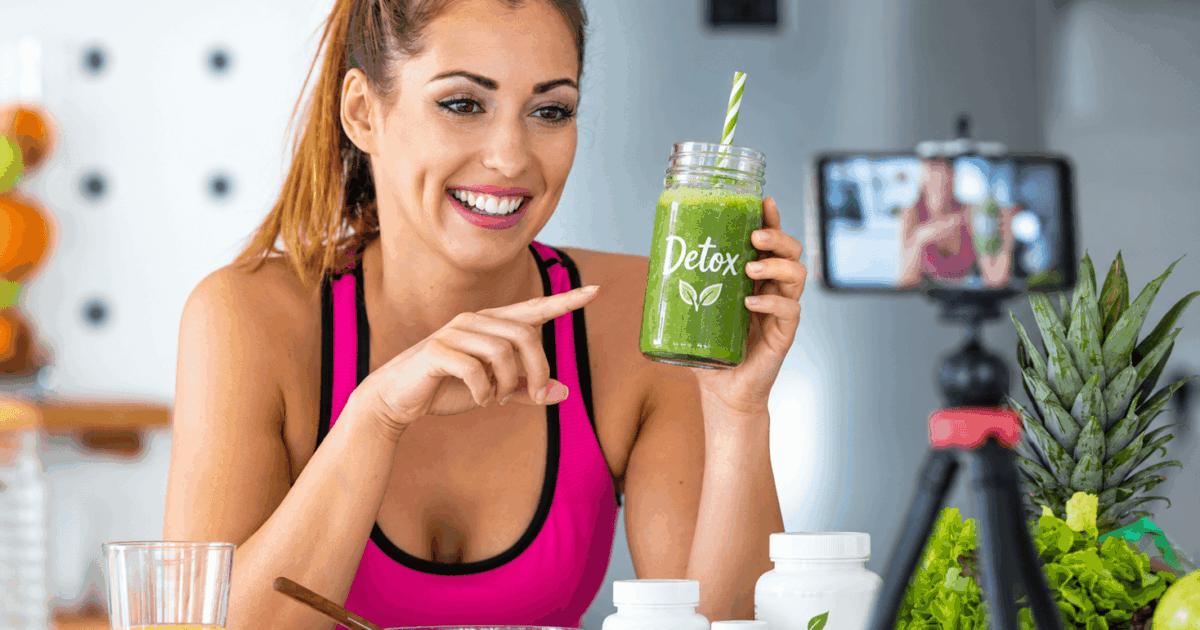
Scroll through any social media feed long enough and you are likely to encounter a familiar promise: a supplement, superfood, or detox tea can fix whatever ails you. These messages, often delivered by charismatic influencers, have become a major engine of food misinformation across Europe, according to a new stakeholder workshop reported by Patient Daily. The workshop was organized by the European Food Information Council (EUFIC) and Fundación Maldita.es, two organizations dedicated to improving the quality of public information, and it drew on the work of the EU-funded Infoodmation project. That project involved an extensive analysis of more than 540,000 social media posts from 16 European countries, making it one of the largest efforts of its kind to understand how food-related misinformation spreads online. The findings paint a troubling picture: although most food posts are harmless, a significant and dangerous minority distort scientific understanding, exploit consumer anxieties, and make it harder for people to make informed dietary choices. The stakes are high, because misinformation about food does not just lead to poor individual decisions; it can also undermine public trust in science, nutrition guidelines, and even public health institutions.
The data behind the workshop’s concerns are striking. Among the 540,000 social media posts examined, researchers identified roughly 24,000 food-related posts that were worth closer scrutiny. Of those, they flagged misleading content about dietary supplements in 474 separate instances, weight-loss products in 256 instances, superfoods in 242 instances, and detox claims in 76 instances. These numbers are not necessarily enormous, but they represent a persistent and recurring pattern across different countries and platforms. The researchers found that these misleading messages leaned heavily on familiar and emotionally appealing tropes: that “natural” ingredients are inherently safer or more effective than synthetic ones, or that traditional foods come with built-in, almost mystical health benefits. Perhaps most worrying, 67% of the examples that made health claims lacked enough nutritional or ingredient information for an ordinary person to evaluate whether the claims were true. This means that even a reasonably critical reader would struggle to separate fact from fiction. The workshop also noted that short videos had become the preferred format for pushing these claims, likely because they are easy to produce, share quickly, and are often more persuasive than text-based posts.
One of the central insights of the workshop is that the problem is not always an outright lie. In fact, the most effective forms of misinformation are often those that are technically true but deeply misleading. Rocío Benavente Pérez, deputy director at Fundación Maldita.es, captured this idea clearly: “The challenge is not always a claim that is clearly false. A food message can also be misleading by leaving out important context or making one product sound like a solution to a much bigger problem.” This observation is crucial for understanding why food misinformation is so difficult to combat. A claim that a certain tea contains antioxidants, for example, might be true, but it is misleading if it leaves the impression that drinking the tea can cure a chronic illness. Similarly, a supplement might indeed contain a vitamin that supports immune function, but that does not mean it can replace a balanced diet or treat a serious disease. By stripping away context, cherry-picking data, and simplifying complex nutrition science into catchy slogans, influencers and other content creators can give false impressions without ever telling an outright falsehood. This makes the misinformation harder to detect and easier to share, because the content does not trigger typical fact-checking instincts.
The workshop also examined who is responsible for spreading food misinformation, and the answer is not simply a handful of rogue influencers. According to the findings, food industry actors made up 52% of the identified sources behind misleading food messages. This does not mean that all food companies are deliberately spreading lies, but it does suggest that commercial interests play a major role in shaping the online food conversation. Companies may pay influencers to promote products without making it clear that the content is advertising, or they may fund campaigns that highlight certain ingredients while ignoring others. Even when the marketing is not intentionally deceptive, the goal of selling a product can easily conflict with the goal of providing accurate, balanced information. The workshop participants pointed out that this is especially problematic when influencers are paid to endorse products they have never used or when they make health claims that go beyond what the product’s scientific evidence supports. The line between editorial content and advertising has become increasingly blurred, and most social media users do not have the time or knowledge to tell the difference.
While food misinformation can affect anyone, the workshop singled out two groups as especially vulnerable. The first group is children and young people, whose critical-thinking skills are still developing and who are often the most active users of social media. They may not yet have enough scientific knowledge to question a claim made by a favorite influencer, and they are frequently exposed to advertising disguised as personal recommendations. The second group is people with chronic health conditions who are searching for dietary solutions. For someone living with diabetes, autoimmune disease, digestive problems, or other long-term illnesses, the promise of a miracle food can be deeply appealing. They may feel let down by conventional medicine, or they may simply be desperate for something that will improve their quality of life. Misinformation can be particularly harmful for these individuals because they may abandon evidence-based treatments in favor of unproven remedies, sometimes with serious consequences for their health. The workshop emphasized that protecting these vulnerable groups requires more than just telling them to be skeptical; it requires building a media and nutrition literacy that empowers them to evaluate claims critically and to understand the difference between reliable and unreliable sources.
To address these challenges, the workshop made a series of concrete recommendations. First, it called for stricter enforcement of existing marketing rules aimed at children, especially on digital platforms where regulation has historically lagged behind traditional media. Second, it recommended closer oversight of influencer content and paid partnerships, including clear labeling requirements and penalties for failure to disclose commercial relationships. Third, it argued for better public education on how to judge the credibility of food information, with a particular focus on teaching people how to recognize common misinformation tactics such as oversimplification, appeal to nature, and the misuse of scientific language. Finally, the workshop stressed the need for corporate accountability that goes beyond mere legal compliance. Companies should be expected to ensure that their marketing practices do not contribute to public confusion, even if those practices are technically allowed by law. The fight against food misinformation cannot be won by fact-checkers alone; it requires a coordinated effort involving regulators, platforms, scientists, educators, and the public. As the workshop made clear, the goal is not to suppress all claims about food, but to create an information environment in which people can make decisions based on evidence rather than illusion. The research from the Infoodmation project is a reminder that misinformation is not a harmless byproduct of the internet age; it is a serious threat to individual and public health, and it demands an equally serious response.


