


The Arrest of Rodrigo Duterte and the Ensuing Disinformation War on Facebook
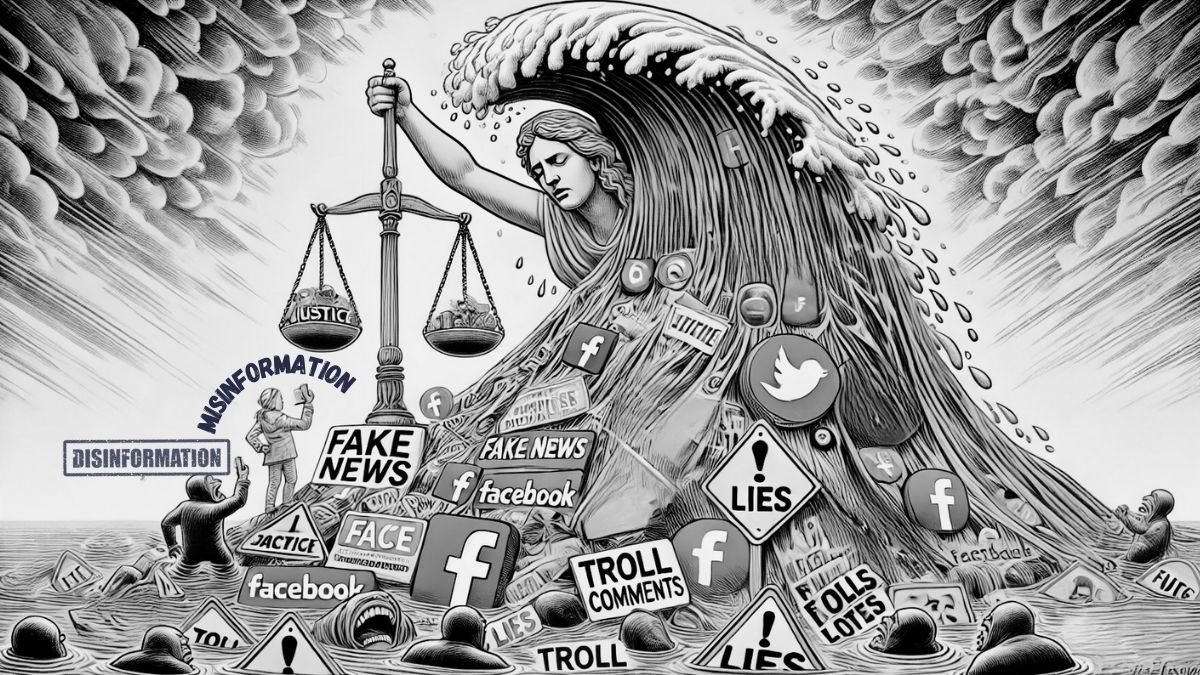
The arrest warrant issued by the International Criminal Court (ICC) for former Philippine President Rodrigo Duterte, related to alleged crimes against humanity committed during his controversial war on drugs, has ignited a firestorm of fake news and disinformation, predominantly originating from his fervent supporters. This surge of misleading information has found a fertile breeding ground on Meta’s Facebook platform, particularly in the wake of the company’s decision to discontinue its third-party fact-checking program in the Philippines. This move has effectively stripped the platform of a crucial defense mechanism against the proliferation of false narratives, transforming it into a battleground of manipulated information and political maneuvering.
Since the news of Duterte’s potential arrest broke, Facebook has been inundated with a deluge of misinformation and disinformation. Fabricated stories, manipulated images, and misleading claims have proliferated, painting a distorted picture of the situation. While independent fact-checking organizations like VERA Files and Rappler valiantly attempt to debunk these falsehoods, their efforts are often overwhelmed by the sheer volume of disinformation being churned out. The task of separating fact from fiction has become Herculean, leaving many citizens struggling to navigate the treacherous landscape of online information.
The misinformation campaign surrounding Duterte’s case takes various forms. Some falsely claim the ICC lacks jurisdiction due to the Philippines’ withdrawal from the court in 2019, while others spread the unfounded rumor that the Supreme Court issued a restraining order preventing Duterte’s transfer to The Hague. These narratives are often amplified by networks of both real and fake accounts, effectively constituting a troll army dedicated to manipulating public opinion. Both supporters and detractors of Duterte have weaponized social media platforms, exacerbating the spread of misinformation and further polarizing an already divided nation. The intensity of the debate has even led to online friendships fracturing, highlighting the deeply personal impact of this information war.
Meta’s decision to scale back its third-party fact-checking program, ostensibly driven by cost-cutting and a shift in priorities, has had profound consequences in the Philippines. The absence of robust, independent oversight has created a vacuum where unchecked narratives can flourish. This timing is particularly unfortunate given the international significance of Duterte’s case, which necessitates a platform capable of fostering informed and reasoned debate, not a breeding ground for distortion and lies. The withdrawal of professional fact-checkers has left a void that is easily exploited by those seeking to manipulate public opinion.
While Meta cannot be held solely accountable for the actions of its users, the company’s retreat from fact-checking raises serious questions about its responsibility in combating disinformation. As a platform wielding immense influence over public perception, Meta’s decision to dismantle a system that once served as a bulwark against the worst excesses of disinformation could be interpreted as a dereliction of duty. By effectively handing bad actors a megaphone, Meta has contributed to the erosion of trust in online information and the further polarization of society.
The consequences of this disinformation campaign are far-reaching. Families of drug war victims, who view Duterte’s arrest as a crucial step towards justice, find their voices drowned out by a cacophony of conspiracy theories portraying the ICC as a tool of Western imperialism. Duterte’s allies, meanwhile, engage in a relentless online campaign to rally support, propagating false narratives that frame his potential arrest as a politically motivated kidnapping rather than a legitimate legal process. This fog of disinformation obscures the truth and deprives the public of the opportunity to engage in a meaningful reckoning with the legacy of the Duterte administration’s controversial war on drugs. The shift to a community-based fact-checking model, while well-intentioned, has proven inadequate in the face of organized disinformation campaigns, further exacerbating the problem. The absence of professional fact-checkers has created a fertile ground for false narratives to take root and spread, undermining public trust and hindering informed discourse.