


Meta’s Content Moderation Shift: A Potential Breeding Ground for Climate Misinformation
Meta’s decision to discontinue its partnerships with third-party fact-checking organizations in the United States has sparked concerns about the potential proliferation of misinformation, particularly regarding climate change. This shift in policy raises questions about the future landscape of content on platforms like Facebook and Instagram, especially during critical events such as natural disasters. While the decision won’t affect fact-checking efforts outside the U.S. due to stricter regulations in regions like the European Union, the impact on American users could be significant.
The existing fact-checking system at Meta involves third-party organizations flagging false and misleading posts, allowing Meta to attach warning labels and limit their algorithmic promotion. This system prioritizes viral misinformation, hoaxes, and demonstrably false claims with significant real-world consequences. However, opinion content without false claims falls outside its purview. The planned changes, inspired by X’s Community Notes feature, effectively shift the responsibility of fact-checking from trained professionals to individual users. This raises concerns about the efficacy and timeliness of debunking efforts, especially given the rapid spread of misinformation online.
Research suggests that fact-checks can be effective in correcting misinformation, including that related to climate change. However, tailoring messages to resonate with target audiences’ values and employing trusted messengers, such as climate-conscious conservative groups when addressing conservatives, can enhance their impact. Appealing to shared social norms, like protecting future generations, can also bolster their effectiveness. Furthermore, the nature of climate misinformation makes it particularly challenging to counter. Once ingrained, false beliefs about climate change are difficult to dislodge, making preemptive measures crucial.
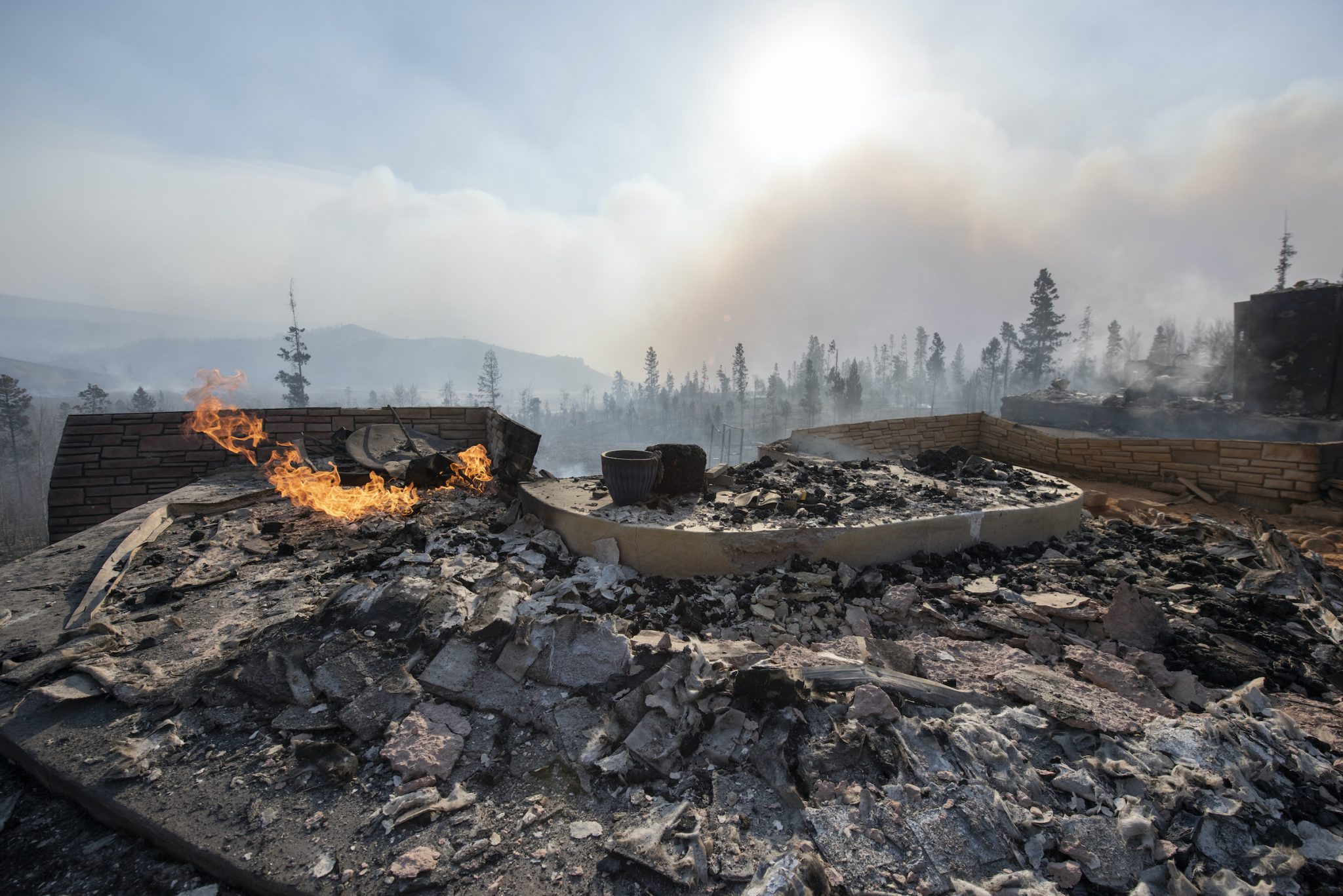
The increasing frequency and severity of extreme weather events, driven by climate change, often lead to spikes in social media attention. During these critical periods, the spread of misinformation, including AI-generated deepfakes and manipulated images, poses a serious threat to effective disaster response and public safety. The 2023 Hawaii wildfires and the twin hurricanes Helene and Milton exemplified the disruptive impact of such campaigns, hindering rescue efforts and sowing confusion. Distinguishing between misinformation (false content shared unintentionally) and disinformation (false content deliberately spread to deceive) is essential in understanding the nature of these threats.
The planned shift in Meta’s content moderation policy raises the specter of a more challenging environment for combating misinformation. Studies have shown that crowd-sourced fact-checking efforts, like X’s Community Notes, often lag behind the rapid spread of viral misinformation online. This delay significantly diminishes their effectiveness in preventing the initial, widespread dissemination of false claims. The "sticky" nature of climate misinformation, its tendency to persist once encountered, further complicates debunking efforts. Simply presenting more facts proves insufficient in countering deeply ingrained false beliefs.
Under the new system, users will effectively become the primary fact-checkers on Meta’s platforms. The most effective strategy for prebunking misinformation involves presenting accurate information first, followed by a concise warning about the myth (stated only once). This should be followed by an explanation of the myth’s inaccuracy and a reiteration of the factual information. However, relying solely on individual users to debunk misinformation, especially during crises like the erroneous evacuation alert issued by Los Angeles County in 2025, presents considerable challenges. Organized disinformation campaigns, often amplified during information vacuums in emergencies, can easily overwhelm individual debunking efforts. While the public largely favors industry-led moderation of online misinformation, the trend seems to be shifting toward placing this burden on individual users, a move with potentially significant consequences for the spread of climate misinformation.