


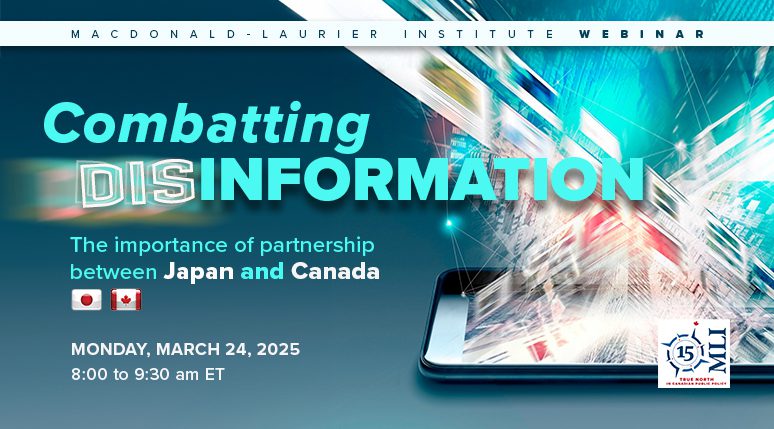
The Global Fight Against Disinformation: A Call for International Collaboration
In an era defined by the rapid dissemination of information, the insidious spread of disinformation poses a significant threat to democratic values, national security, and societal harmony. Malicious actors, empowered by sophisticated technologies and manipulative tactics, exploit the interconnected nature of the digital landscape to sow discord, erode trust in institutions, and manipulate public opinion. From fabricated news articles to manipulated videos and coordinated social media campaigns, disinformation campaigns have become increasingly sophisticated and pervasive, demanding a concerted international response. The urgency of this challenge has prompted governments, organizations, and individuals worldwide to explore innovative strategies and collaborative approaches to combat the spread of disinformation and safeguard the integrity of information ecosystems.
A recent international summit, convened to address the escalating threat of disinformation, highlighted the critical need for collaborative action. Experts, policymakers, and researchers from diverse backgrounds gathered to discuss the multifaceted nature of this challenge and explore potential solutions. Central to the discussion was the recognition that disinformation transcends geographical boundaries, necessitating cross-border cooperation to effectively counter its corrosive impact. The summit emphasized the need for a multi-pronged approach, encompassing regulatory measures, media literacy programs, technological advancements, and strategic communications, to effectively combat the spread of disinformation and bolster societal resilience.
The summit’s discussions underscored the diverse motivations and tactics employed by purveyors of disinformation. From state-sponsored actors seeking to destabilize geopolitical rivals to ideologically driven groups aiming to manipulate public discourse, the landscape of disinformation is populated by a range of actors with varying objectives. The summit highlighted the importance of understanding the specific targets and tactics employed by these actors to develop effective countermeasures. Case studies examining disinformation campaigns in Canada and Japan showcased the diverse ways in which malicious actors tailor their strategies to exploit specific cultural and political contexts. These examples emphasized the need for customized approaches that consider the unique vulnerabilities and information landscapes of different nations.
A key focus of the summit was exploring effective countermeasures to mitigate the harm caused by disinformation. Experts emphasized the importance of a comprehensive approach that combines reactive strategies, such as debunking false narratives and prebunking potential disinformation campaigns, with proactive measures aimed at strengthening information literacy and critical thinking skills. Debunking involves fact-checking and exposing false information after it has been disseminated, while prebunking aims to inoculate individuals against disinformation by preemptively exposing them to common misinformation tactics. These strategies, coupled with media literacy programs that empower individuals to critically evaluate information sources, are essential for building societal resilience against disinformation campaigns.
Technological advancements play a dual role in the battle against disinformation. While technology has been instrumental in facilitating the rapid spread of disinformation, it also offers powerful tools for detection, analysis, and countermeasures. The summit explored the potential of artificial intelligence and machine learning algorithms to identify and flag disinformation campaigns in real-time. These technologies can analyze vast amounts of data to identify patterns, anomalies, and coordinated manipulation efforts, enabling swift responses to contain the spread of false narratives. Furthermore, advancements in digital forensics and media verification tools are crucial for authenticating information sources and exposing manipulated content.
The summit culminated in a call for enhanced cross-border collaborations to address the transnational nature of disinformation. Participants emphasized the need for information sharing, joint research initiatives, and coordinated strategies among nations to effectively counter the global threat of disinformation. The establishment of international frameworks and agreements, coupled with strengthened partnerships between governments, technology platforms, and civil society organizations, is essential for fostering a unified front against disinformation. By working together, nations can leverage their collective expertise and resources to develop robust countermeasures, protect their citizens from harmful disinformation campaigns, and safeguard the integrity of democratic processes worldwide.
The fight against disinformation is a complex and evolving challenge that demands constant vigilance and adaptation. By embracing international cooperation, fostering media literacy, leveraging technological advancements, and implementing comprehensive countermeasures, we can collectively strive to create a more informed and resilient information ecosystem. The future of democracy, national security, and societal cohesion hinges on our ability to effectively counter the insidious threat of disinformation and safeguard the integrity of information in the digital age.