


Scientists: Guardians of Truth in the Age of Misinformation
In an era defined by the rapid dissemination of information, the role of trusted sources has become more critical than ever. Consistently, surveys reveal that society places its highest levels of trust in doctors, scientists, and teachers. This enduring trust, evident in studies dating back to 2019 and reinforced by recent indices like the Ipsos Trustworthiness Index and the Pew Research Centre International Science Survey, underscores the public’s reliance on these professions for accurate and reliable information. This faith in scientific authority positions scientists as vital gatekeepers of knowledge in a world grappling with the pervasive challenges of misinformation and disinformation.
The proliferation of false and misleading information, a trend confirmed by reports from organizations such as the OECD, Pew Research Centre, UNDP, and Stanford University, poses a significant threat to informed decision-making, especially in the realm of public policy. This digital deluge of misinformation, facilitated by the interconnected nature of the modern world, hinders progress on critical issues ranging from public health crises to climate change mitigation. The ease with which misinformation spreads online necessitates a robust and proactive response from the scientific community to safeguard public trust and ensure access to verifiable information.
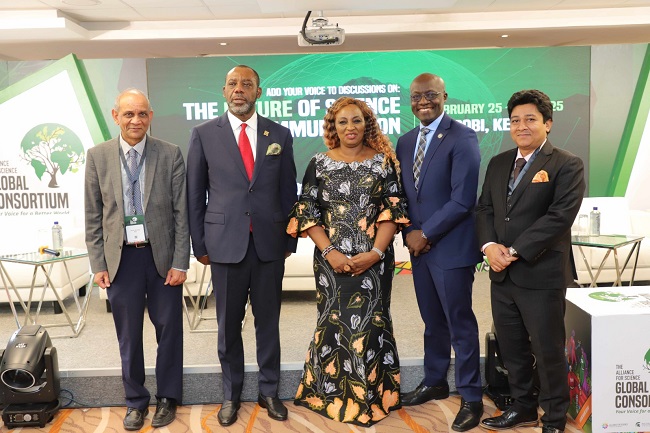
Experts at the Future of Science Communication Forum, convened by the Alliance for Science Global Consortium in Nairobi, Kenya, highlighted the urgency of addressing the misinformation crisis. A key takeaway from the forum was the debilitating impact of misinformation on the adoption of beneficial innovations. When individuals lack confidence in the information available to them, they become hesitant to embrace new solutions, even those with the potential to improve their lives and address pressing societal challenges. This hesitancy, fueled by doubt and confusion, underscores the critical need for effective science communication to bridge the gap between scientific advancements and public understanding.
The forum served as a clarion call for scientists to actively engage in combating misinformation. Leveraging the inherent trust society places in them, scientists are urged to move beyond the confines of laboratories and embrace the challenge of communicating complex scientific concepts in clear and accessible ways. This proactive approach to science communication is not merely about disseminating information; it requires strategic communication that resonates with diverse audiences and effectively counters the pervasiveness of misinformation. As Dr. Sheila Obim, Executive Director of the Alliance for Science, emphasized, the fight against misinformation requires more than just presenting facts; it demands a strategic communication approach capable of achieving widespread impact.
The forum highlighted the importance of equipping scientists with the necessary communication skills to effectively navigate the complex information landscape. Recognizing that trust is already established, the emphasis shifts to empowering scientists to become more effective communicators. This involves translating intricate scientific findings into easily digestible narratives, engaging with the public in open and transparent dialogues, and fostering a deeper understanding of the scientific process. Initiatives such as TED Talks, specialized training programs in science communication, and the establishment of Centres of Excellence in Science Communication by the Alliance for Science are crucial steps in bridging the information gap and empowering scientists to become more effective communicators.
These initiatives focus on equipping scientists with the skills to translate complex scientific jargon into relatable language, enabling them to connect with broader audiences and cultivate trust in scientific findings. By making science more accessible and transparent, these efforts ensure that accurate, evidence-based information reaches a wider audience, empowering individuals and communities to make informed decisions in an era of information overload. Furthermore, these platforms facilitate direct engagement between scientists and the public, fostering a two-way dialogue that addresses concerns, clarifies misconceptions, and strengthens public understanding of complex scientific issues.
The establishment of Centres of Excellence in Science Communication plays a pivotal role in fostering collaboration between scientists, academic institutions, and policymakers. These centers serve as hubs for knowledge sharing, best practice dissemination, and the development of innovative communication strategies. By working together, these stakeholders create a network that ensures trustworthy, evidence-based information informs decision-making at all levels, from individual choices to public policy formulation. This collaborative approach enhances societal resilience in the face of challenges ranging from climate change and public health crises to technological advancements.
The collaborative efforts between scientists, academic institutions, and policymakers are crucial for strengthening the reliability of public discourse. By working together, these stakeholders can create a network that ensures that trustworthy, evidence-based information is used in decision-making at all levels. This collaborative approach helps communities better navigate challenges, whether addressing climate change, public health crises, or technological advancements, by equipping them with the knowledge they need to respond effectively.
When scientific integrity is upheld through clear communication and strategic partnerships, society becomes more resilient and capable of making informed, forward-thinking choices. By empowering individuals and communities with accurate information, we can foster a more informed and engaged citizenry capable of navigating the complexities of the modern world. This, in turn, strengthens democratic processes and promotes evidence-based decision-making in the face of complex challenges.
In conclusion, the fight against misinformation and disinformation requires a concerted effort from the scientific community. Scientists, armed with the trust of society, must step forward as champions of truth, translating complex scientific findings into relatable narratives and engaging with the public in open and transparent dialogues. Through strategic communication and collaborative partnerships, scientists can empower individuals and communities to make informed decisions, navigate complex challenges, and build a more resilient and informed future. The challenge is clear, and the responsibility weighty, but the power of scientific knowledge, when effectively communicated, holds the key to navigating the complexities of the modern information landscape. This is the charge for scientists today: to become not only discoverers of knowledge but also its vigilant protectors and effective communicators.