


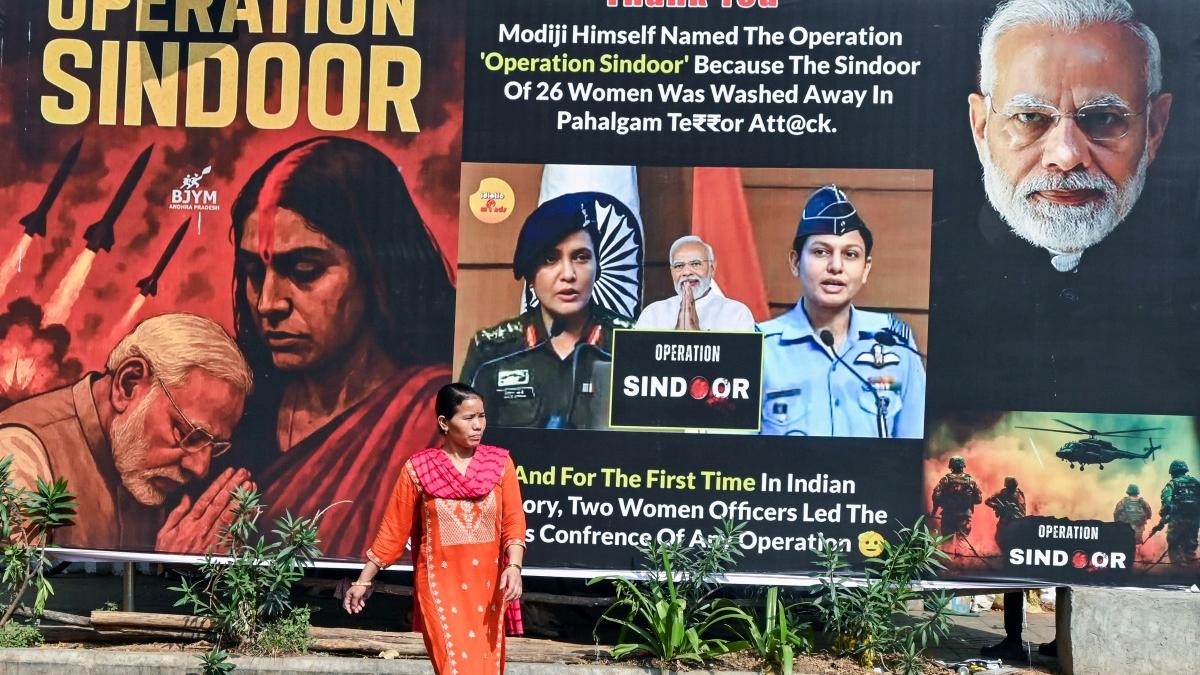
War Fears Grip Citizens Far From the Frontlines
The recent escalation of tensions between India and Pakistan, marked by military actions and a subsequent ceasefire, has left a trail of anxiety and fear among citizens, even those residing far from the border regions. While the guns have fallen silent, the psychological scars of potential conflict linger, impacting daily lives and fueling a sense of unease. The constant barrage of news and misinformation, coupled with the emotional weight of the situation, has created a climate of apprehension, leaving many struggling to cope with the uncertainty.
The impact is particularly pronounced on young children, like seven-year-old Hazel from Thiruvananthapuram, Kerala, who now views every knock on the door with suspicion, fearing an impending attack. Her newfound anxiety, stemming from school awareness sessions and conversations with classmates, highlights the vulnerability of young minds to the psychological fallout of conflict. Similarly, adults like Mahendra Awasthi in Delhi find themselves battling sleepless nights, haunted by the what-ifs and the potential for escalating tensions. Even with the ceasefire in place, the lingering uncertainty and reports of explosions continue to fuel their anxieties.
The 24/7 news cycle and the pervasive nature of social media have played a significant role in amplifying these fears. Clinical psychologist Shweta Sharma emphasizes the overwhelming effect of constant exposure to emotionally charged content, which can overburden the brain’s stress regulation mechanisms. The unpredictable nature of conflict, coupled with questions about its potential reach and long-term consequences, further exacerbates anxieties. For many, the suffering of civilians and soldiers, witnessed through media coverage, evokes feelings of guilt and helplessness, adding another layer to the emotional burden.
Experts offer practical advice for managing these anxieties. Limiting exposure to news and social media, seeking information from credible sources, and engaging in open conversations about the situation are crucial steps. For parents, reassuring children of their safety and explaining the situation in age-appropriate ways can help alleviate their fears. Annu Mathew, Hazel’s mother, exemplifies this approach by demonstrating to her daughter the absence of immediate danger in their surroundings.
However, for some, the anxiety manifests as a need to prepare for the worst-case scenario. Aniket Singh in Jaipur, driven by a sense of impending doom, has stocked up on essential supplies, hoping to mitigate the impact of a potential crisis. While such preparations may offer a temporary sense of control, family therapist Maitri Chand cautions that they can also fuel anxiety. She advocates for finding a balance between preparedness and maintaining calm, suggesting meditation and focusing on a belief system as coping mechanisms.
The long-term psychological impact of conflict-related stress cannot be underestimated. Both children and adults can experience lasting mental health effects, grappling with anxieties, fears, and uncertainties generated by ongoing tensions. Experts recommend regular mental health check-ups, taking breaks from distressing media, and finding healthy ways to manage emotions during these challenging times. Seeking professional help, such as therapy, can provide tailored coping mechanisms for those struggling to manage their anxiety and fear. The need for psychological support and understanding extends beyond the immediate aftermath of conflict, highlighting the importance of addressing the invisible wounds left by the specter of war.