


News Corp’s Asylum Seeker Visa Blunder Fuels Misinformation Maelstrom
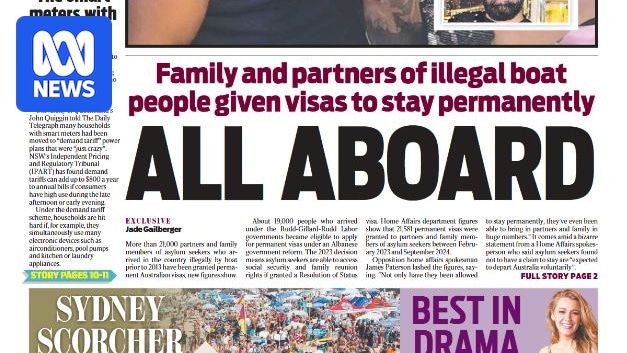
A significant error in a News Corp report regarding asylum seeker visas has sparked a whirlwind of misinformation, highlighting the pervasive nature of false narratives in today’s media landscape. The report, initially published by prominent mastheads such as the Herald Sun, Daily Telegraph, and Courier-Mail, erroneously claimed that the Labor government had granted 21,581 permanent visas to families and partners of asylum seekers who arrived by boat within an 18-month period. This figure, inflated by a factor of ten from the actual number of 2,158, quickly became fodder for sensationalized headlines and condemnation from conservative commentators.
Shadow Home Affairs Minister James Paterson seized upon the inflated figures, accusing the Labor government of incentivizing people smuggling and jeopardizing Australia’s border security. Paterson’s pronouncements, amplified through multiple media appearances, further cemented the erroneous narrative in the public consciousness. The incorrect information rapidly spread across mainstream media outlets, including television and radio programs, before corrections were issued.
The misinformation, however, had already gained significant traction, particularly within far-right online communities. Conspiracy theories emerged, alleging that the supposed influx of asylum seekers was a calculated strategy to manipulate future elections in favor of the Labor party. These false claims circulated widely on platforms like Telegram and Facebook, demonstrating how easily misinformation can metastasize and take on a life of its own.
The genesis of the error appears to stem from a misinterpretation of data provided by the Department of Home Affairs during a Senate estimates hearing. A footnote adjacent to the correct figure of 2,158 seems to have been mistakenly incorporated into the reported total, leading to the tenfold inflation. Despite subsequent corrections issued by some news outlets, the false narrative continued to proliferate online, highlighting the challenge of containing misinformation once it has been disseminated.
This incident underscores the critical importance of verifying information before publication, especially when dealing with sensitive topics like immigration. The rapid spread of the false narrative also exposes the vulnerability of the media ecosystem to misinformation and the role played by political figures in amplifying such inaccuracies. The incident serves as a stark reminder of the need for media literacy and critical thinking among consumers of news.
The fallout from the reporting error continues to reverberate. While some corrections have been made, the false narrative persists in certain online circles. The incident has also raised questions about the role of media organizations in perpetuating misinformation and the need for greater accountability in reporting. The long-term impact of this episode on public perceptions of asylum seekers and immigration policy remains to be seen.