


The Misinformation Crisis: A Threat to Democracy, Health, and Society
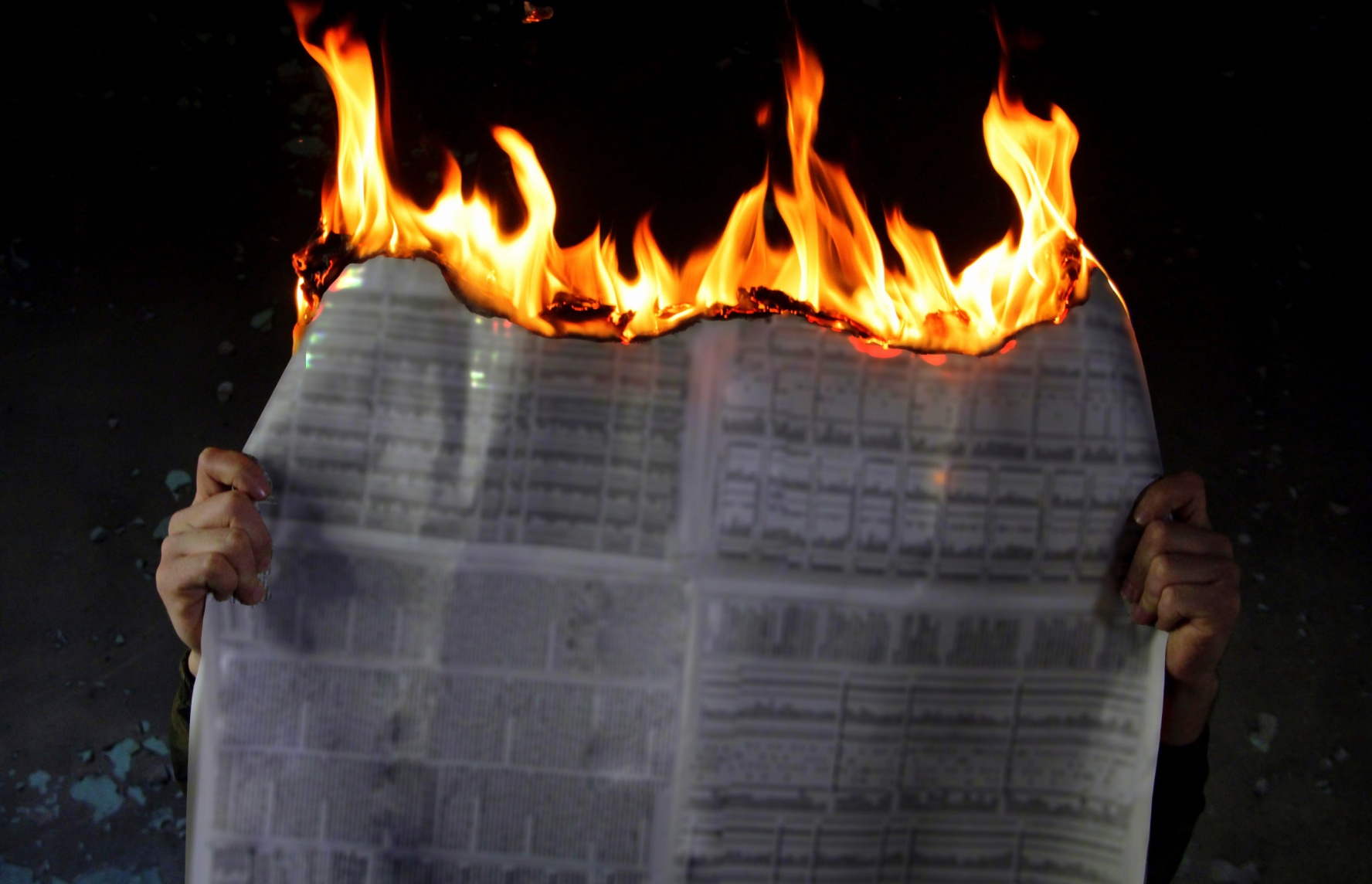
The upcoming 2024 presidential election faces a significant threat: the pervasive spread of misinformation. This isn’t merely a matter of political mudslinging; it’s a complex issue intertwined with social, economic, and educational disparities, exacerbated by a growing sense of despair among many Americans. The decline of local newspapers, a critical source of credible information, has left a void easily filled by "fake news" websites often funded by undisclosed sources seeking to manipulate electoral outcomes. This, coupled with sophisticated foreign interference campaigns, particularly from Russia, creates a volatile information landscape where truth becomes increasingly difficult to discern. The consequences extend far beyond the ballot box, impacting public health, trust in science, and the very fabric of our democracy.
The Landscape of Deception: Fake News, Foreign Influence, and Domestic Despair
The stark reality is that there are now more fake local news websites than actual newspapers in the United States. These fabricated news outlets often mimic the appearance of legitimate journalism, making it difficult for unsuspecting readers to distinguish fact from fiction. The proliferation of these sites, often funded by "dark money," corrodes trust in the media and undermines the foundation of informed civic engagement. Simultaneously, foreign actors, notably Russia, are leveraging social media platforms like TikTok to disseminate disinformation and manipulate public opinion. While these external threats are serious, FBI Director Christopher Wray has pointed to an even more concerning trend: the rise of domestic individuals and groups spreading misinformation and inciting violence. This convergence of foreign interference and domestic extremism presents a formidable challenge to national security and public safety.
The Despair Factor: Vulnerability to Misinformation and Erosion of Trust
The spread of misinformation is not solely a technological problem; it’s also a societal one. The rise of "deaths of despair" – premature deaths from drug overdoses, alcohol poisoning, and suicide – is a grim indicator of the growing hopelessness felt by many, particularly in communities experiencing economic hardship and declining opportunities. Research shows a direct correlation between despair and susceptibility to misinformation, conspiracy theories, and radicalization. This vulnerability is further compounded by a declining trust in science and education, fueled in part by the same despair that makes individuals more likely to embrace unsubstantiated claims. This creates a vicious cycle where misinformation thrives, and traditional sources of knowledge and authority are dismissed.
Combating Misinformation: A Multi-Pronged Approach
Addressing the misinformation crisis requires a comprehensive strategy that tackles both the supply and demand sides of the problem. On the supply side, stronger regulations are needed to curb the spread of misinformation online, coupled with law enforcement efforts to identify and prosecute those who finance and create fake news content. Revitalizing local journalism is also crucial. Philanthropic support for new local news outlets, like the Baltimore Banner, offers a promising model for rebuilding trust in credible local reporting and fostering community engagement.
Addressing the Root Causes: Education, Mental Health, and Community Wellbeing
On the demand side, addressing the root causes of vulnerability to misinformation is paramount. This includes reforming our education system to equip students with critical thinking skills and media literacy, essential tools for navigating the digital age. Rebuilding trust in science and health information requires a concerted effort to communicate scientific findings clearly and accessibly, while countering the spread of pseudoscience and conspiracy theories. Addressing the mental health crisis, particularly among young people, is critical. Expanding access to affordable mental healthcare and reducing the stigma associated with seeking help are crucial steps towards building resilience to misinformation and fostering a sense of hope.
Empowering Communities: Building Resilience and Fostering Critical Thinking
Community-based solutions are essential for fostering resilience to misinformation. Investing in declining communities, creating opportunities for economic advancement, and strengthening social safety nets can help alleviate the despair that makes individuals vulnerable to manipulation. Programs that involve community members in providing peer support and identifying resources for those in need can both address mental health challenges and build social cohesion. Finally, educating individuals, especially young people, on how to identify misinformation is essential. Finland’s integration of media literacy programs into school curricula provides a valuable example of how to equip future generations with the skills they need to navigate the complex information landscape. The misinformation crisis is a multifaceted challenge requiring a multifaceted response. By addressing both the supply and demand sides of the problem, we can work to protect our democracy, our health, and the wellbeing of our society.