


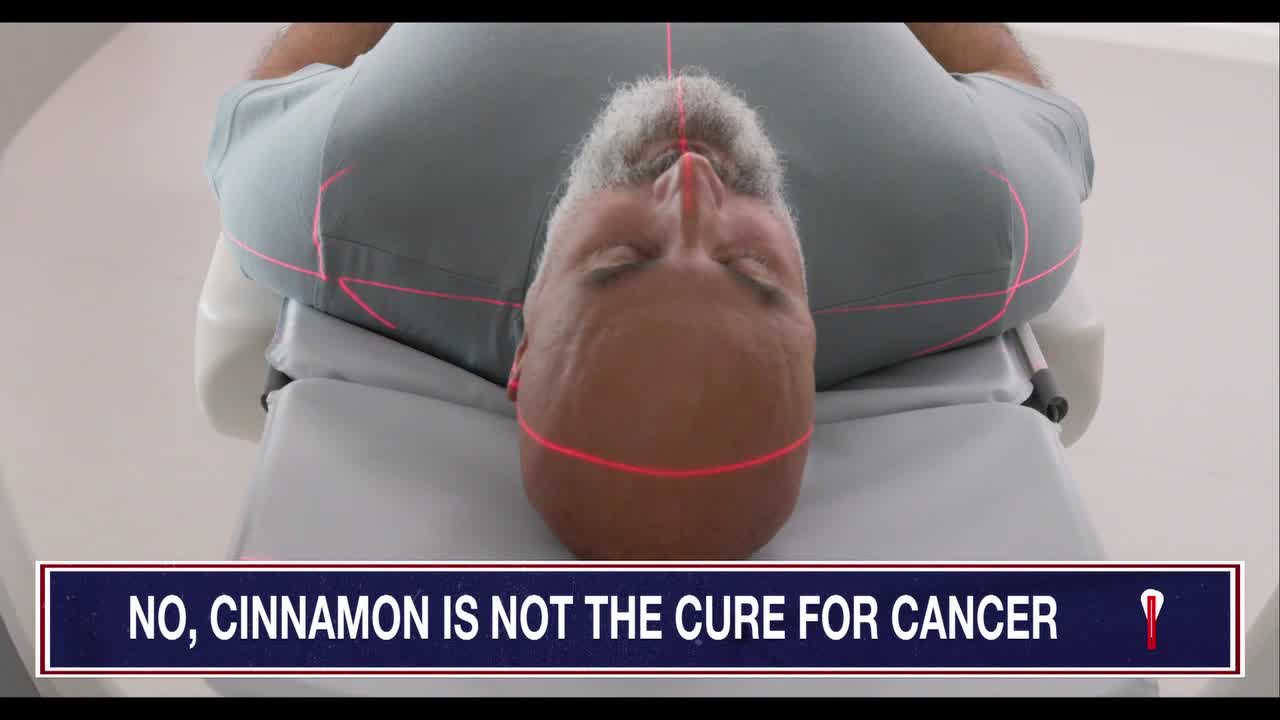
The Perils of Dr. Google: Why Self-Diagnosing Online Can Be Dangerous
In today’s digital age, the internet has become an invaluable resource for information on virtually any topic, including health. A simple Google search can yield a plethora of articles, forums, and videos seemingly offering answers to our medical questions. While access to health information can empower individuals to take a more proactive role in their wellbeing, relying solely on internet searches for diagnosis and treatment can be a perilous path, leading to misdiagnosis, delayed medical care, and unnecessary anxiety. This phenomenon, often dubbed "cyberchondria," reflects the tendency to interpret online medical information in the worst possible light, exacerbating health anxieties and potentially leading to harmful self-treatment. The proliferation of misinformation and the lack of personalized medical context make Dr. Google a dangerous substitute for a qualified physician.
One of the primary dangers of Googling symptoms lies in the sheer volume of inaccurate and misleading health information online. The internet is a vast, unregulated landscape where credible medical sources coexist with unreliable blogs, forums, and websites peddling unproven remedies or promoting fear-mongering narratives. Distinguishing between evidence-based medical advice and unsubstantiated claims can be incredibly challenging, even for those with some medical knowledge. Furthermore, search algorithms may prioritize sensationalized content or information from commercially driven websites, further increasing the risk of encountering misinformation. This can lead individuals down a rabbit hole of self-diagnosis, often focusing on rare or serious conditions that are statistically unlikely, while overlooking more common and easily treatable ailments.
The lack of personalized context is another significant drawback of online self-diagnosis. Medical conditions often present with overlapping symptoms, and what might indicate a minor issue in one person could be a sign of something more serious in another. Online symptom checkers and medical information websites cannot account for individual medical history, family history, lifestyle factors, and other crucial details a doctor would consider during an examination. Consequently, relying on generalized online information can lead to inaccurate self-assessments and inappropriate self-treatment. This can delay necessary medical intervention, potentially allowing underlying conditions to worsen and become more difficult to manage.
Furthermore, Googling symptoms can fuel health anxiety and cyberchondria. The tendency to catastrophize and interpret ambiguous symptoms as signs of a severe illness is amplified by the abundance of alarming and often exaggerated medical information online. Reading about worst-case scenarios can create a feedback loop of anxiety, leading individuals to perceive their symptoms as more severe than they actually are, further prompting them to seek more information online, reinforcing their fears. This cycle can significantly impact mental wellbeing and lead to unnecessary stress and worry. Furthermore, the constant self-monitoring and searching for reassurance online can become a compulsive behavior, consuming significant time and energy and negatively affecting daily life.
The rise of social media has further complicated the landscape of online health information. While online support groups can be valuable resources for connecting with others facing similar health challenges, they can also become echo chambers for misinformation and unsubstantiated claims. Anecdotal evidence and personal experiences shared in online forums often lack scientific backing and can be misleading. The emotional nature of these platforms can also amplify fear and anxiety, leading individuals to adopt unproven remedies or reject conventional medical advice based on the experiences of others. It is crucial to remember that individual experiences do not necessarily represent the typical outcome and should not be substituted for professional medical guidance.
In conclusion, the ready availability of online health information is a double-edged sword. While it can empower individuals to learn more about their health and actively participate in their care, relying solely on Dr. Google for diagnosis and treatment poses significant risks. The prevalence of misinformation, the lack of personalized context, and the potential to fuel health anxiety make self-diagnosing online a dangerous practice. It is essential to remember that the internet is a tool that can supplement, but should never replace, the expertise and personalized care of a qualified medical professional. When experiencing concerning symptoms, consulting a doctor is crucial for accurate diagnosis, appropriate treatment, and peace of mind. Rather than relying on the often misleading information readily available online, individuals should prioritize seeking evidence-based medical advice from trusted sources and engage in open communication with their healthcare providers.