


US Foreign Aid Freeze Fuels Russian Disinformation in Eastern Europe
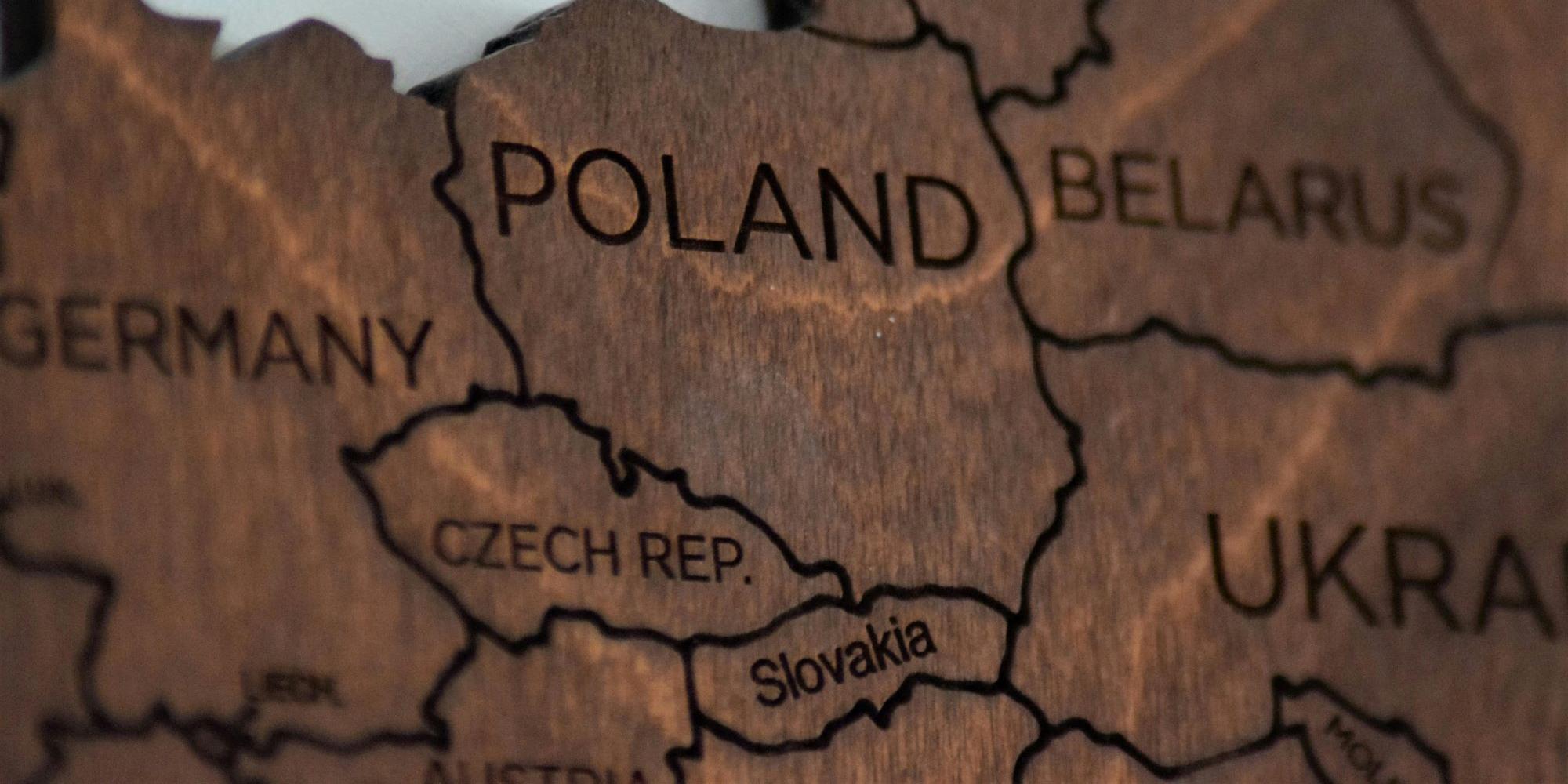
The Trump administration’s freeze on US foreign aid is creating a fertile ground for Russian disinformation to flourish across Eastern Europe, experts warn. Independent media outlets, heavily reliant on US funding, are facing imminent closure, leaving a void easily filled by Kremlin-backed narratives. This comes at a critical juncture for the region, with Ukraine battling a full-scale invasion, Georgia grappling with Russian interference, and Moldova facing a crucial election amid accusations of Russian meddling. Experts fear that the absence of credible news sources will embolden Russia’s disinformation campaigns, further destabilizing the region.
Eastern European nations are particularly vulnerable to Russian influence operations. Ukraine is entering its fourth year of resisting a full-scale invasion, while Georgia continues to fend off Russian interference. Moldova, which recently saw Moscow accused of election manipulation, is poised for a pivotal parliamentary election this year. Independent media outlets play a vital role in countering disinformation and providing objective reporting, serving as a bulwark against Russian propaganda. The US aid freeze, however, threatens to cripple these vital information sources, leaving populations vulnerable to manipulation.
The US, as the world’s largest humanitarian aid donor, provides billions of dollars in assistance through USAID to over 100 countries. The Trump administration’s recent stop-work order, aimed at reviewing aid distribution, has sent shockwaves through the recipient nations. The immediate aftermath saw a surge in pro-Russian disinformation, including false claims about Hollywood actors being paid by USAID to visit Ukraine. The Kremlin simultaneously flooded social media with fabricated news, portraying Ukraine as isolated and abandoned by its allies—a narrative that gains traction as US support appears to waver.
The impact of the funding freeze is already being felt on the ground. Independent outlets like Moldova.org, heavily reliant on US and European grants, are facing severe budget shortfalls. Moldova.org, which focuses on solutions journalism and video storytelling, relies on these grants to support its 14 full-time employees. With funding secured only for the next few weeks, the outlet’s future hangs in the balance. The situation highlights a stark contrast between Western and Russian aid: while Western donors demand transparency and accountability, Russian funding often fuels opaque propaganda efforts, further exacerbating the disinformation landscape.
The situation is particularly dire for Ukrainian media. Since Russia’s full-scale invasion in 2022 decimated advertising revenues, Ukrainian newsrooms have become increasingly dependent on international aid, predominantly from USAID. Nine out of ten Ukrainian news outlets rely on this support for survival, according to Reporters Without Borders. The funding freeze jeopardizes their ability to operate, undermining crucial reporting on the ongoing conflict and its impact. Outlets like Ukraïner, which shares stories of Ukrainian resilience in multiple languages, fear that vital projects documenting the war and its aftermath will be left unfinished.
Facing this existential threat, independent media are scrambling for alternative funding sources. Many are appealing to their audience directly through crowdfunding platforms. The Kyiv Independent, though unaffected itself, launched a fundraiser to support struggling local newsrooms, demonstrating a powerful sense of solidarity within the media community. Other organizations, like Ukraïner and Moldova.org, are exploring collaborations with businesses and diversifying their income streams. Moldovan wine producers, also impacted by the aid freeze, present a potential partnership opportunity, allowing media outlets to promote local businesses while securing crucial funding. While these efforts represent commendable resourcefulness, the long-term sustainability of independent media in Eastern Europe remains uncertain in the face of ongoing geopolitical challenges and the shadow of Russian disinformation. The aid freeze, regardless of duration, exposes a critical vulnerability in the information ecosystem, highlighting the urgent need for diversified funding models to safeguard independent journalism in the region.