


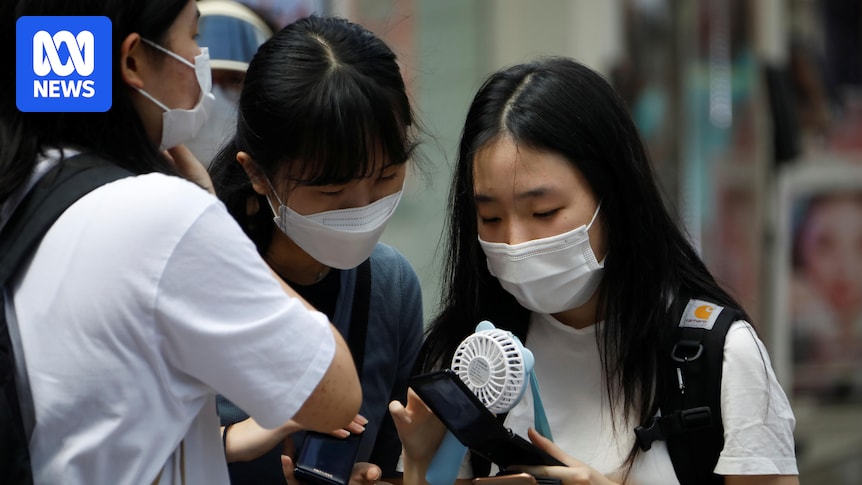
South Korea Implements Nationwide Classroom Ban on Mobile Phones and Digital Devices to Combat Social Media’s Impact on Youth
SEOUL – In a significant move to address growing concerns about the pervasive influence of social media on young people, South Korea has enacted a nationwide ban on mobile phones and other digital devices within school classrooms. The ban, slated to take effect in March 2024, positions South Korea alongside a growing number of countries, including the Netherlands and soon Australia, taking decisive steps to restrict young people’s access to these technologies within educational settings. This initiative underscores a global recognition of the potential downsides of unchecked digital device usage among adolescents, prompting governments to explore measures that balance technological integration with student well-being.
South Korea’s near-universal internet penetration and smartphone ownership rates, amongst the highest globally, highlight the pervasiveness of digital technology in its society. According to the Pew Research Center, nearly all South Koreans are active online, with smartphone ownership approaching 98% – the highest figures among 27 countries surveyed in 2022 and 2023. This extensive digital connectivity, while offering numerous advantages, has also raised concerns about its impact on young people, particularly regarding social media usage. A South Korean education ministry survey revealed that over a third of middle and high school students reported that social media significantly impacts their daily lives, with a substantial portion experiencing anxiety when unable to access their accounts. This data further underscores the need for proactive measures to manage technology use within educational contexts.
The legislative push to formalize the ban received bipartisan support, culminating in the bill’s passage in the South Korean parliament on Wednesday. Proponents of the ban, such as opposition lawmaker Cho Jung-hun, argued that youth social media addiction has reached a critical level, citing students’ sleep deprivation and excessive late-night engagement with platforms like Instagram. While many schools already implemented phone restrictions, this legislation solidifies the practice nationwide, providing a clear framework for managing digital devices in classrooms. Exemptions will be made for students with disabilities and for educational purposes, ensuring that technology remains accessible when necessary for learning and accessibility.
The decision to ban mobile phones and digital devices in classrooms represents a significant intervention in South Korea’s digitally saturated environment. This move reflects a growing global trend among educators and policymakers who are grappling with the challenges presented by ubiquitous technology in schools. The ban aims to create more focused learning environments, minimize distractions, and potentially mitigate the negative effects of social media on students’ mental health and academic performance. The South Korean government’s decision signifies a growing awareness of the need to address the increasing impact of digital technologies on young people and to implement concrete measures to protect their well-being.
While the move has garnered substantial backing, it has also encountered opposition from some youth advocacy groups who argue that it infringes on children’s rights. This dissenting perspective highlights the complex balancing act involved in regulating technology use for young people, and the need to consider both the potential benefits and drawbacks of such policies. The debate surrounding the ban reflects the ongoing discourse about the appropriate level of access and regulation for young people in the digital age, and the tension between protecting their well-being and ensuring their digital literacy and participation in the online world.
The long-term effects of South Korea’s nationwide ban on mobile phones and other digital devices in classrooms remain to be seen. The ban will be closely monitored by educators, policymakers, and researchers alike, providing valuable insights into the impact of such policies on student behavior, academic performance, and overall well-being. The implementation of the ban will also require ongoing evaluation and potential adjustments to ensure it effectively addresses the intended goals while minimizing any unintended consequences. The South Korean experience will undoubtedly contribute to the global discussion surrounding technology use in education and inform similar policy decisions in other countries grappling with the same challenges.