


A Decade of Rage: Social Media Fuels Protests and Instability Across Asia
The 2020s are witnessing a surge in mass protests throughout Asia, echoing the tumultuous events of the Arab Spring and other social movements worldwide. From Sri Lanka to Bangladesh, Indonesia to Nepal, and now the Philippines, a common thread unites these uprisings: the potent influence of social media. These platforms, once primarily spaces for entertainment and connection, have become powerful tools for mobilizing dissent and channeling public anger against perceived corruption, nepotism, and failing governance. A new generation of activists, digitally savvy and frustrated with traditional power structures, are leveraging these tools to orchestrate widespread demonstrations, sometimes with unforeseen and devastating consequences.
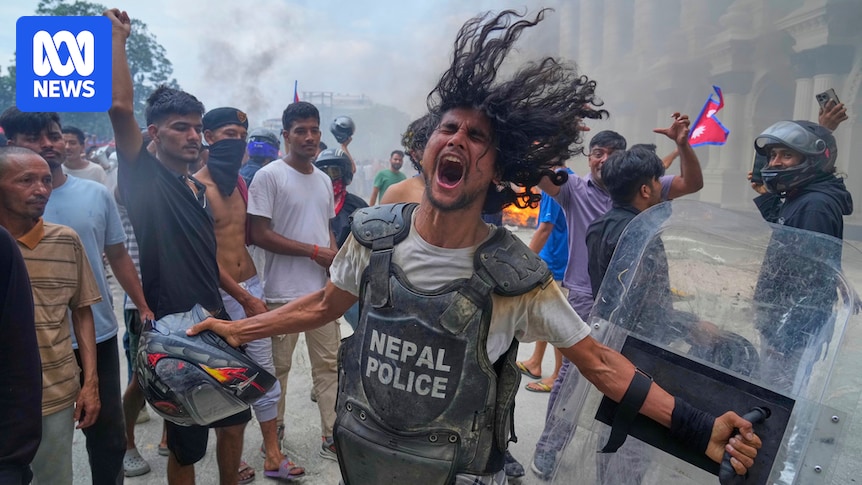
The recent protests in Nepal and Indonesia exemplify this trend. In Indonesia, public outrage over lavish perks for government officials, ignited by a viral video of a delivery driver’s death involving a police vehicle, sparked widespread demonstrations in August. In Nepal, the government’s attempt to ban social media platforms and the viral spread of #NepoBabies videos, contrasting the opulent lifestyles of politicians’ children with the country’s pervasive poverty, fueled public resentment and mobilized a youth-led movement. These digital campaigns rapidly escalated into large-scale protests, demonstrating the speed and reach of online mobilization.
While social media facilitates the rapid dissemination of information and coordination of protests, it also carries the inherent risk of amplifying misinformation and exacerbating existing tensions. In the Nepali protests, false narratives about a military coup, attacks on religious sites, and a plot to reinstate the monarchy spread rapidly online, potentially inciting violence and undermining the legitimacy of the movement. A map of politicians’ residences, initially intended to guide peaceful demonstrations, was misused by some to target their homes for arson attacks, highlighting the unintended consequences of information sharing on social media.
The very platforms that empower protests can also become vectors for manipulation and chaos. The speed and virality of online content can make it difficult to distinguish fact from fiction, creating a volatile environment susceptible to rumors and conspiracy theories. This can lead to a blurring of lines between legitimate protest and destructive acts, as seen in the arson attacks on government buildings in Nepal, including the parliament, Supreme Court, and key ministries. The chaotic nature of these events underscores the challenge of maintaining control and direction in digitally driven movements.
The ease with which misinformation spreads online poses a significant challenge for future political stability, particularly in the lead-up to elections. As seen in Nepal, bad actors can exploit social media to spread divisive narratives, sow distrust in institutions, and incite violence. The time between now and the next election cycle provides ample opportunity for such actors to plan and execute sophisticated disinformation campaigns, potentially undermining democratic processes and exacerbating social tensions.
The rise of social media as a catalyst for protest presents a complex dilemma. While these platforms offer unprecedented opportunities for citizens to express dissent and hold their leaders accountable, they also carry inherent risks of misinformation, manipulation, and unintended consequences. The challenge lies in harnessing the power of social media for positive change while mitigating its potential for harm. As the 2020s continue to unfold, navigating this complex landscape will be crucial for maintaining social stability and fostering healthy democratic processes across Asia and beyond. Understanding the dynamics of online mobilization and developing strategies to counter misinformation are essential for safeguarding the future of democratic participation in the digital age.