


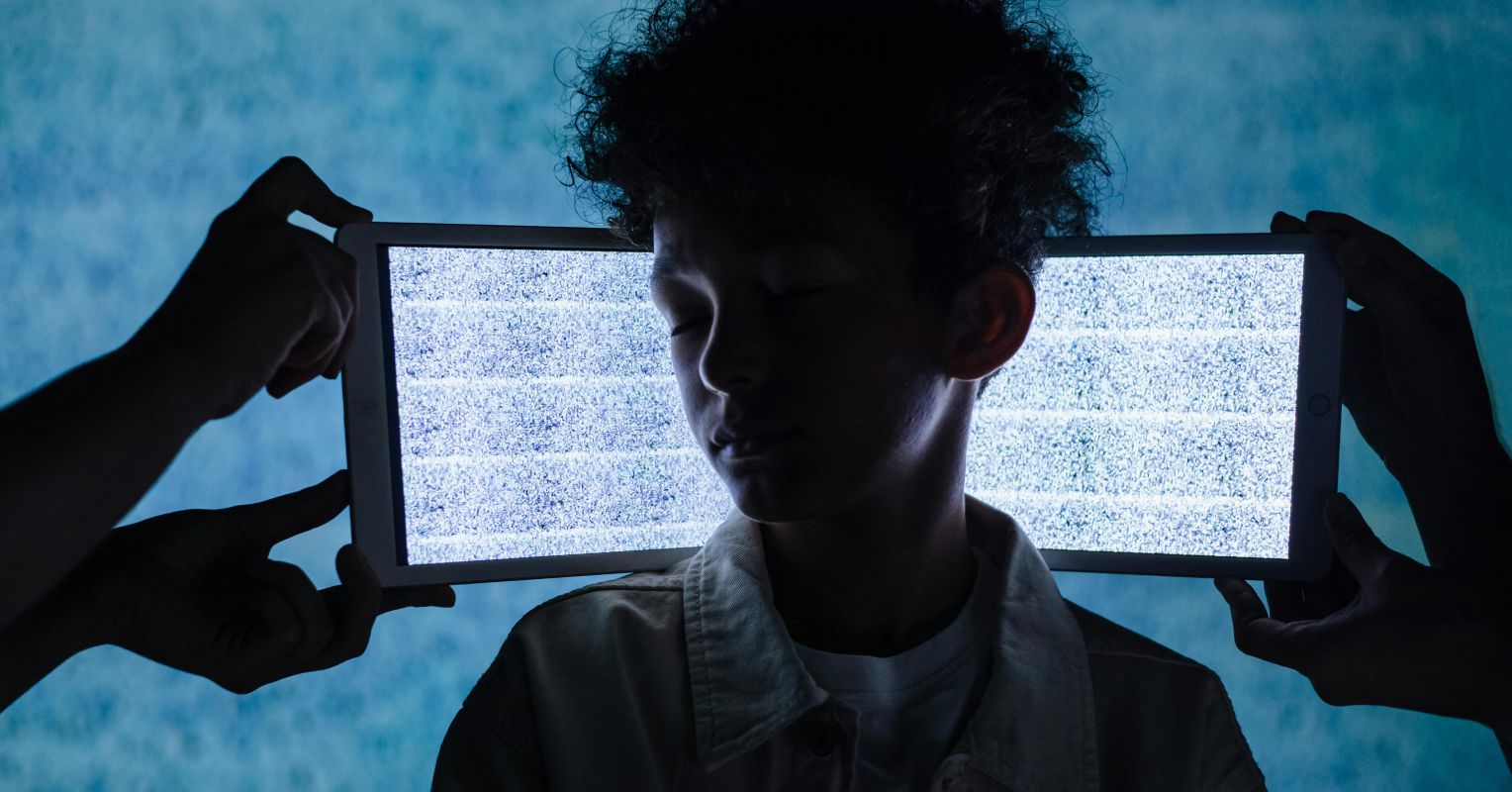
The Shadow of Social Media: Navigating the Murky Waters of Teen Mental Health
The digital age has brought unprecedented connectivity, yet it has also cast a long shadow over the mental well-being of adolescents. The Centers for Disease Control and Prevention (CDC) paints a stark picture of this burgeoning crisis: a significant portion of teenagers grapple with persistent sadness and hopelessness, suicidal thoughts, and an overall decline in mental health. While some progress has been made, the figures remain alarming. The CDC’s Youth Risk Behavior Survey reveals that over half of teenagers experience persistent sadness and hopelessness, while nearly one in five contemplate suicide, and over a quarter report poor mental health overall. These statistics underscore the urgency of addressing the multifaceted challenges facing today’s youth.
Among the myriad factors contributing to this troubling trend, the pervasive influence of social media stands out as a particularly potent force. While offering a platform for connection and information sharing, social media also exposes vulnerable teens to a deluge of often-misleading content related to mental health. A 2022 study by Yeung et al. analyzed the top 100 TikTok videos about ADHD and found that only a small fraction provided accurate and helpful information. A majority of the videos contained misleading content, perpetuating misconceptions and potentially leading to self-diagnosis and inappropriate treatment seeking. This underscores the critical need for media literacy and critical evaluation skills among young users.
The dangers of misinformation on social media extend beyond simple inaccuracies. The allure of online communities centered around specific mental illnesses can inadvertently foster a sense of identity tied to these conditions. This can lead to the normalization and even romanticization of mental illness, blurring the lines between genuine struggles and trendy labels. Furthermore, the constant exposure to graphic depictions of self-harm and other disturbing content can exacerbate existing mental health issues and trigger new ones. The echo chambers of online groups can reinforce unhealthy behaviors and beliefs, making it difficult for individuals to seek appropriate professional help.
Dr. Andrea Giedinghagen, a child and adolescent psychiatrist, has coined the term "Social Media Associated Abnormal Illness Behavior" (SMAAIB) to describe the phenomenon of individuals adopting or exaggerating symptoms of mental illness based on information gleaned from social media. This framework moves beyond traditional models like "Munchausen’s by Internet" and "mass psychogenic illness" by offering a more neutral and less pathologizing approach. Dr. Giedinghagen emphasizes the importance of understanding the underlying motivations behind these behaviors, which often stem from a desire for connection and belonging. She notes that the instant gratification and validation offered by online communities can be particularly appealing to adolescents struggling with social isolation and low self-esteem.
In a conversation with Dr. Giedinghagen, she recounted her experience observing a surge in adolescents presenting with self-diagnosed conditions seemingly derived from social media content during the pandemic. The sudden appearance and rapid worsening of symptoms, often mirroring those depicted online, raised red flags. She observed that everyday behaviors were being pathologized, with daydreaming equated to dissociation and pencil tapping labeled as “stimming.” The widespread nature of this phenomenon, evident both in clinical settings and across various social media platforms, prompted Dr. Giedinghagen to develop the SMAAIB framework.
Dr. Giedinghagen emphasizes the importance of open communication between parents and teens about online activities. She recommends establishing clear boundaries and guidelines for social media use, similar to the recommendations from the American Academy of Pediatrics. Creating “no-phone zones” during family meals and before bedtime can help promote real-world connections and healthy sleep habits. Furthermore, parents should actively engage with their children’s online lives, discussing the influencers they follow and the content they consume. It’s crucial to address sensitive topics like disordered eating and suicide openly and honestly, creating a safe space for teens to seek guidance and support. By fostering a culture of communication and understanding, parents can help their children navigate the complex digital landscape and mitigate the risks associated with social media’s influence on mental health. Healing, Dr. Giedinghagen emphasizes, begins with disconnection from harmful online content and fostering genuine connections in the real world – with family, friends, and themselves. This shift in focus allows adolescents to be seen and supported for who they are, rather than being defined by a diagnosis.