

Social Media’s Deadly Grip: False Reports of Charlie Kirk’s Death Spark Chaos and Confusion in New Mexico
SANTA FE, NM – The digital age has ushered in an era of instant communication, connecting billions across the globe. However, this interconnectedness comes with a shadow, a vulnerability to the rapid spread of misinformation. Recent events in New Mexico have starkly illustrated this danger, as false reports of conservative commentator Charlie Kirk’s death circulated on social media, triggering a chain reaction of confusion, distress, and ultimately, disruption to state government operations. This incident underscores the growing threat of online misinformation and its potential to impact not just individuals, but also the functioning of institutions.
The saga began innocently enough, with what seemed like a typical day in New Mexico state offices. Employees went about their routines, unaware of the brewing digital storm. Then, the first ripples appeared. Messages, posts, and shares began to circulate on various social media platforms, claiming that Charlie Kirk had passed away. The source of these rumors remains unclear, a testament to the often-anonymous and untraceable nature of online content. However, the lack of verifiable sources didn’t stop the rapid dissemination of the false information.
The whispers quickly escalated into a roar, permeating office spaces and infiltrating water cooler conversations. The news, though unsubstantiated, spread like wildfire, fueled by the echo chamber effect of social media algorithms. Employees, some concerned, others simply curious, began frantically searching for confirmation. The focus shifted from work tasks to online investigations, as individuals attempted to discern fact from fiction in the digital deluge. Productivity plummeted as the office buzzed with speculation and debate.
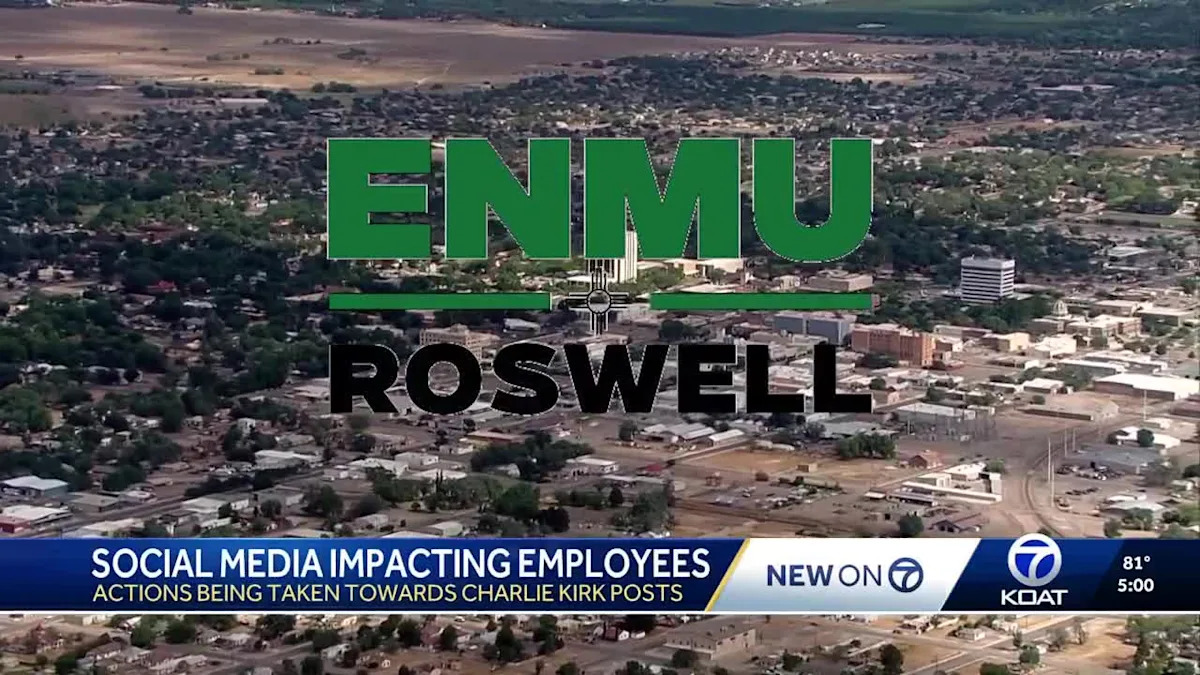
The impact was significant, disrupting the daily operations of various state departments. Meetings were postponed, projects were delayed, and essential services were impacted. The incident exposed the fragility of institutional function in the face of unchecked misinformation. While the specific consequences varied across departments, the overall effect was a slowdown in government operations, a stark reminder of the real-world repercussions of online falsehoods. The incident became a case study in how a seemingly harmless online rumor can escalate into a disruptive force, paralyzing productivity and diverting resources.
The New Mexico incident highlights several key issues regarding the spread and impact of misinformation. First, it underscores the speed and reach of social media, which can quickly amplify even baseless claims to a vast audience. Second, it reveals the inherent difficulty in combating false information, particularly when it spreads organically through personal networks and private channels. Finally, it demonstrates the vulnerability of organizations, both public and private, to disruptions caused by online misinformation. This vulnerability is particularly acute in today’s interconnected world, where reliance on digital communication is paramount.
This incident serves as a wake-up call, urging individuals, organizations, and social media platforms to take proactive steps in mitigating the spread of misinformation. Critical thinking and media literacy are essential tools in navigating the digital landscape. Individuals must cultivate a healthy skepticism towards online content and verify information from reliable sources before sharing it. Organizations should implement protocols for managing misinformation and communicating effectively during such incidents. Social media platforms bear a significant responsibility in combating the spread of false narratives and should invest in robust fact-checking mechanisms and algorithms that prioritize credible information. The New Mexico incident is a stark reminder that in the digital age, misinformation is not just an inconvenience; it’s a tangible threat with real-world consequences. Only through collective action can we hope to navigate this complex landscape and safeguard the integrity of information in the digital age. The future of informed decision-making, both personal and professional, hinges on our ability to effectively combat the pervasive threat of online misinformation.