


Snapchat Emerges as a Positive Force in Youth Social Media Landscape Amid Growing Concerns
The digital age has ushered in an era of unprecedented interconnectedness, with social media platforms playing a pivotal role in shaping social interactions, particularly among adolescents. However, this pervasive influence has also raised concerns about the potential detrimental effects on young users’ mental health and well-being. Amidst growing scrutiny and regulatory efforts to mitigate these risks, Snapchat has presented compelling evidence suggesting its platform may actually foster positive engagement among teenagers, challenging the prevailing narrative surrounding social media’s impact on youth.
Two independent studies, one conducted by the University of Amsterdam and the other by a consortium of Australian mental health organizations, have shed light on Snapchat’s unique position in the social media landscape. These findings arrive at a critical juncture, as regulators worldwide grapple with the complex task of balancing online safety with the benefits of digital connectivity for young people. Snapchat’s emphasis on private, friend-focused communication has emerged as a key differentiator, setting it apart from platforms that prioritize public-facing content and potentially contribute to negative social comparison and cyberbullying.
The University of Amsterdam study, which assessed the impact of various social media platforms on adolescent mental well-being, revealed a striking contrast between Snapchat and other popular platforms like TikTok, Instagram, and YouTube. While the latter platforms were consistently associated with negative impacts across three key mental health dimensions – friendship closeness, self-esteem, and overall well-being – Snapchat stood out as the sole platform exhibiting a positive correlation with friendship closeness and overall well-being. This finding aligns with Snapchat’s core value proposition of facilitating close connections between friends, suggesting that its design and functionality may indeed foster positive social interactions.
Interestingly, the study also highlighted the positive influence of WhatsApp, another messaging-centric platform, compared to other messaging apps. This observation further underscores the potential benefits of private communication channels in promoting positive social dynamics and mitigating the risks associated with public-facing social media platforms. The researchers emphasized the need for more nuanced research and targeted interventions that consider the specific characteristics of different platforms and the individual experiences of adolescents. While acknowledging the prevalent negative effects observed on platforms like TikTok, YouTube, and Instagram, they underscored the importance of recognizing that not all social media use is harmful.
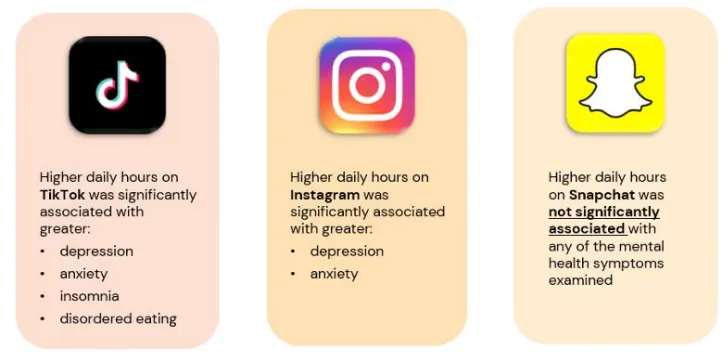
The second study, conducted by three Australian mental health organizations, further bolstered Snapchat’s positive image by finding no association between Snapchat use and the common mental health concerns often linked to social media. This independent validation of Snapchat’s positive impact provides further credence to the platform’s claims of fostering a healthier online environment for young users. The study’s findings underscore the potential of social media platforms to be a force for good when designed with user well-being in mind.
Snapchat’s emphasis on private communication and close friend connections stands in stark contrast to platforms that prioritize public posting and broadcasting. This distinction may be a key factor in explaining the divergent impacts observed in the studies. Platforms that emphasize public-facing content can inadvertently create an environment conducive to social comparison, cyberbullying, and the relentless pursuit of external validation, potentially contributing to negative mental health outcomes. In contrast, Snapchat’s focus on private, one-on-one interactions and small group chats may foster a sense of intimacy and belonging, promoting positive social connections and enhancing overall well-being.
The findings of these studies have significant implications for the ongoing debate surrounding social media’s impact on youth mental health. They challenge the prevailing narrative that paints all social media platforms with the same brush, highlighting the importance of considering the unique characteristics of each platform and its potential for both positive and negative impacts. The studies also underscore the need for a more nuanced approach to regulation, one that recognizes the potential benefits of social media while also addressing the legitimate concerns about its potential harms.
For Snapchat, these findings represent a significant victory, reinforcing its position as a positive force in the social media landscape. As regulators continue to scrutinize the industry and explore potential age restrictions, Snapchat’s evidence-based approach to promoting user well-being could serve as a model for other platforms to emulate. The company’s commitment to fostering positive social interactions and prioritizing user privacy may prove to be a key differentiator in the increasingly competitive social media market. Furthermore, positive user experiences translate into enhanced advertising and marketing opportunities, positioning Snapchat for continued growth and success.
The broader implications of these studies extend beyond Snapchat itself, highlighting the need for a more nuanced understanding of the complex relationship between social media and mental health. As researchers continue to explore this evolving landscape, the findings related to Snapchat provide valuable insights into the potential of social media to be a force for good in the lives of young people. The challenge now lies in applying these lessons to create a safer and more supportive online environment that empowers young users to thrive in the digital age. The focus should be on promoting responsible platform design, fostering digital literacy, and encouraging healthy online habits, paving the way for a more positive and empowering social media experience for all.