


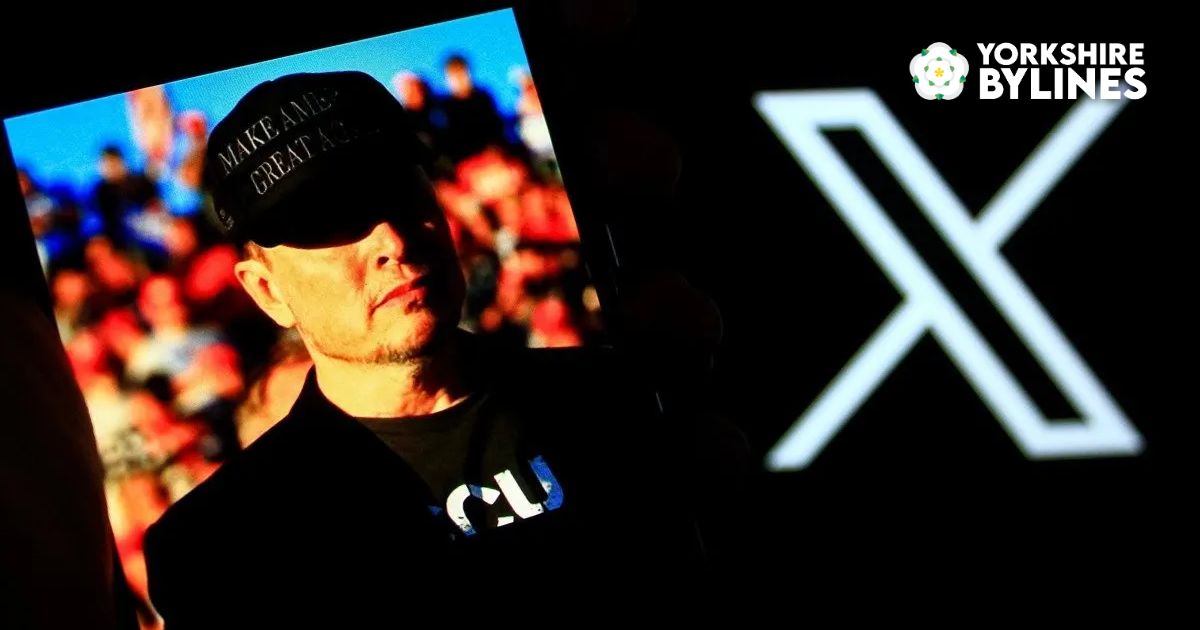
Elon Musk’s X: A Platform for Disinformation and Political Interference?
Elon Musk, the self-proclaimed "free speech absolutist," stands accused of leveraging his social media platform, X (formerly Twitter), for political manipulation and disinformation campaigns. Critics argue that his actions, ranging from amplifying his own posts to attacking elected officials and spreading misleading information, represent a clear abuse of power and a threat to democratic processes. Calls for government intervention to curb X’s influence and hold Musk accountable are growing louder. Musk’s supporters, however, maintain that he is simply a champion of free speech, and that his critics are attempting to silence dissenting voices. This clash of narratives highlights the ongoing debate surrounding the boundaries of free speech in the digital age and the responsibility of social media platforms to combat misinformation.
A key point of contention revolves around the concept of "free speech" itself. Musk and his followers claim to be defenders of this fundamental right, yet their actions often contradict their rhetoric. Critics point to Musk’s selective amplification of his own content, threats against advertisers who abandon his platform, and censorship of accounts that challenge his views as evidence of hypocrisy. Furthermore, the spread of blatant misinformation and disinformation on X, often amplified by Musk himself, raises concerns about the platform’s role in undermining public trust and eroding democratic norms. The blurring of the line between free speech and harmful falsehoods represents a critical challenge for online platforms and regulators alike.
The case of Nigel Farage, a prominent British political figure, exemplifies the perceived double standard surrounding free speech. While Farage now praises Musk’s support, he previously criticized the influence of philanthropist George Soros in British politics. This apparent inconsistency underscores the selective application of free speech principles by some political actors, who seem to champion the concept only when it aligns with their own agendas. This selective endorsement of free speech raises questions about the genuine commitment to this fundamental right and its potential exploitation for political gain.
The argument for unrestricted free speech often ignores the potential consequences of harmful online content. The spread of misinformation, hate speech, and incitement to violence can have devastating real-world impacts, endangering individuals and communities. While true free speech does not grant immunity from consequences, the deliberate dissemination of false and harmful information crosses the line into criminal behavior. Musk’s X, with its reduced content moderation and lax approach to disinformation, provides a fertile ground for such harmful content to flourish, critics argue.
Musk’s own behavior on X has fueled concerns about his commitment to responsible platform management. The removal of the "report fake news" function, coupled with his frequent sharing of misinformation, has led to a growing exodus of reputable organizations from the platform. Universities, political parties, journalists, and law enforcement agencies have cited the spread of misinformation and violent content as reasons for reducing their engagement with X. Musk’s personal attacks on public figures, including British Member of Parliament Jess Phillips, whom he labeled a "rape genocide apologist," have further amplified concerns about his conduct and the potential for X to become a tool for harassment and intimidation.
Musk’s attacks on European governments and leaders coincide with increased scrutiny of X’s role in spreading disinformation. The EU has implemented regulations to combat online misinformation, and the UK is considering similar measures. Musk’s apparent retaliation against these efforts, including his support for Germany’s far-right AfD party and his attacks on the British Labour Party, suggests a resistance to regulatory oversight. His actions raise questions about whether he views himself as above the law and whether his platform is actively working to undermine democratic processes. The ongoing tension between Musk’s pursuit of unchecked "free speech" and the need for responsible platform governance remains a central challenge in the digital age.
The question of whether to ban X entirely is a complex one. While Musk’s actions pose a clear threat to democratic values, a ban could be perceived as an attack on free speech itself, potentially emboldening his supporters and fueling further division. A more effective approach, some argue, would be to strengthen online safety laws and enforce stricter regulations on social media companies, including hefty fines for non-compliance. Holding platforms accountable for the content they host and ensuring robust mechanisms for reporting and removing disinformation are crucial steps towards creating a safer and more responsible online environment. Until such measures are implemented, the unchecked power of platforms like X to manipulate public discourse and interfere in political processes will continue to pose a significant threat to democracy.