


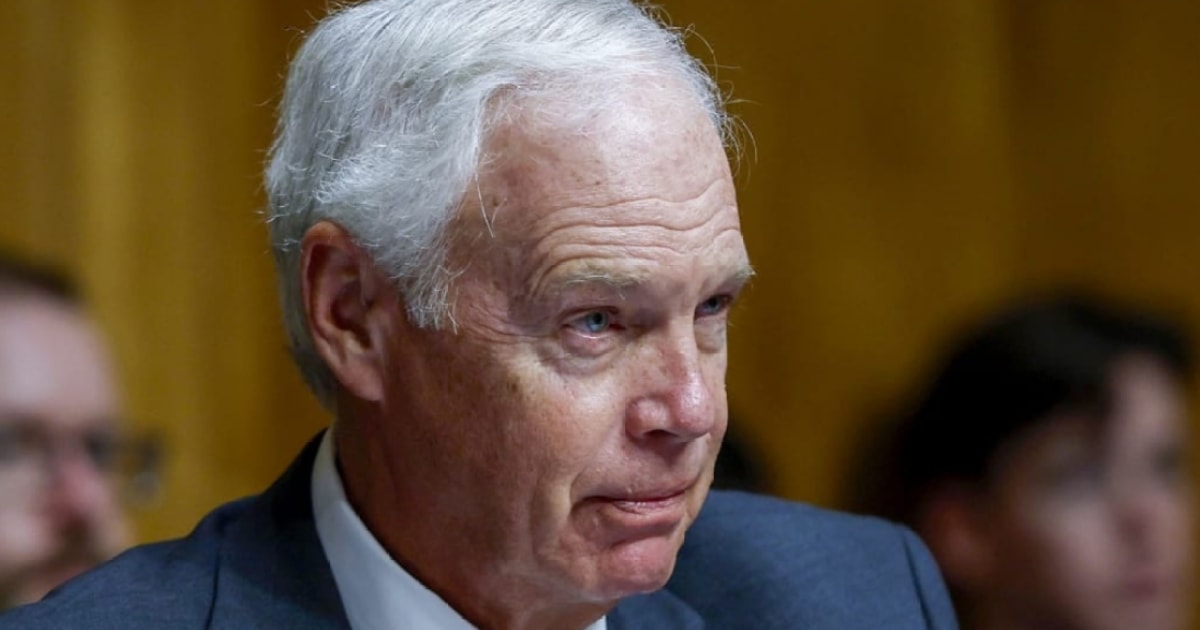
Senator Ron Johnson Fuels Anti-Vaccine Sentiment with Senate Hearing Featuring Misinformation
On July 16, 2025, Senator Ron Johnson presided over a Senate hearing titled “Voices of the Vaccine Injured,” which quickly became a platform for disseminating anti-vaccine conspiracies and misinformation. MSNBC senior reporter Brandy Zadrozny, who attended the hearing, characterized the event as a disturbing example of fringe anti-vaccine beliefs infiltrating mainstream political discourse. The hearing featured testimony from individuals claiming to have suffered adverse effects from vaccines, often lacking credible scientific evidence. Critics argue that Johnson provided a veneer of legitimacy to these claims, potentially undermining public trust in vaccines and jeopardizing public health initiatives.
The hearing comes amidst a backdrop of resurgent anti-vaccine sentiment, fueled by online misinformation and distrust of scientific institutions. Johnson, a long-time vaccine skeptic, has faced criticism in the past for promoting unsubstantiated claims about vaccine safety. This hearing further solidified his position as a proponent of anti-vaccine rhetoric, raising concerns among health experts about the potential for further erosion of public confidence in vaccination programs. The event serves as a stark reminder of the challenges in combating misinformation and the responsibility of public officials to uphold evidence-based decision-making.
Zadrozny’s report on MSNBC.com provides a detailed account of the proceedings, highlighting the numerous instances of misinformation presented during the hearing. She emphasized the lack of scientific rigor in the testimonies and the absence of countervailing perspectives from medical experts. The hearing, rather than fostering informed discussion, served primarily as an echo chamber for anti-vaccine narratives. This selective presentation of information raises concerns about the potential for misleading the public and further polarizing the debate surrounding vaccines.
The hearing’s focus on anecdotal accounts of vaccine injury, without the context of rigorous scientific data, creates a distorted picture of vaccine safety. The vast majority of scientific research supports the safety and efficacy of vaccines in preventing infectious diseases. By amplifying the voices of a select few while ignoring the overwhelming scientific consensus, Johnson’s hearing contributed to the spread of misinformation and potentially discouraged vaccination.
This incident underscores the growing influence of fringe movements in shaping public policy. Johnson’s willingness to provide a platform for anti-vaccine rhetoric, coupled with the amplification of such messages through social media and other channels, poses a significant threat to public health. The ease with which misinformation can spread reinforces the need for critical media literacy and responsible information sharing.
The broader political landscape also plays a role in the resurgence of anti-vaccine sentiment. Increasing polarization and distrust of government institutions have created fertile ground for the spread of conspiracy theories and misinformation. The ability of politicians like Johnson to exploit these trends for political gain raises serious concerns about the future of evidence-based policymaking. It highlights the urgent need for strategies to combat misinformation and restore public trust in science and public health institutions. The incident also underscores the importance of holding public officials accountable for spreading misinformation, especially when it pertains to public health and safety.