


Close Menu
DISADISA
  • Home
  • News
  • Social Media
  • Disinformation
  • Fake Information
  • Social Media Impact
Trending Now

ActionSA Lodges Formal Disinformation Complaint with IEC Against ANC’s Kgoši Maepa.

August 26, 2026

Health Experts Offer Evidence-Based Guidance for Navigating Online Nutrition Misinformation

August 26, 2026

The Threat of Anti-Disinformation Legislation to the Public Square

August 26, 2026
Facebook X (Twitter) Instagram
Facebook X (Twitter) Instagram YouTube
DISADISA
Newsletter
  • Home
  • News
  • Social Media
  • Disinformation
  • Fake Information
  • Social Media Impact
DISADISA
Home»Disinformation»SAFETY
Disinformation

SAFETY

Press RoomBy Press RoomFebruary 26, 2025No Comments
Facebook Twitter Pinterest LinkedIn Tumblr Email

Cameroon’s Looming Presidential Election: Navigating the Complexities of Media Influence and Civic Engagement

Yaoundé, Cameroon – As Cameroon gears up for its presidential election, slated for later this year, the nation finds itself at a critical juncture. President Paul Biya, who has held the reins of power since 1982, is widely expected to seek an eighth term, extending his already extraordinarily long tenure. This prospect has ignited a fervent debate about the role of media, particularly social media, in shaping public discourse and influencing electoral outcomes. With the backdrop of constitutional amendments in 2008 that abolished presidential term limits, the upcoming election takes on added significance, raising questions about democratic processes and the long-term trajectory of the country.

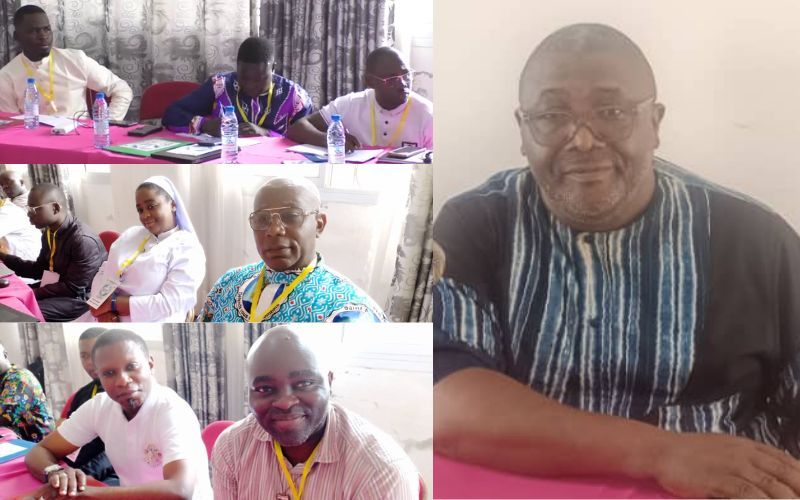
Central to this debate is the complex interplay between media, public opinion, and the exercise of democratic rights. Alain Blaise Binla, Coordinator of the Justice, Peace, and Communication (JPC) Commission of the National Episcopal Conference of Cameroon (NECC), has emphasized the urgent need for a "well-regulated media landscape." In a presentation delivered at the NECC headquarters in Mvolye, Yaoundé, Binla underscored the crucial role of media in providing citizens with access to reliable and diverse sources of information, empowering them to make informed electoral choices. He cautioned against the unchecked spread of misinformation and disinformation, particularly through social media platforms, which can manipulate public perception and undermine the integrity of the electoral process.

Binla’s call for a more responsible media environment resonates deeply within the context of Cameroon’s political landscape. The increasing pervasiveness of social media, while offering unprecedented opportunities for communication and information sharing, also presents significant challenges. The rapid dissemination of unverified information, often driven by partisan agendas, can sow discord, incite violence, and erode public trust in democratic institutions. The potential for misuse of these platforms to manipulate public opinion necessitates a proactive approach to media regulation and digital literacy.

The JPC Coordinator’s emphasis on media independence and impartiality highlights another critical aspect of the electoral process. A free and independent media acts as a vital watchdog, holding those in power accountable and ensuring transparency in government operations. In an electioneering period, this becomes even more crucial, as citizens rely on unbiased reporting to assess the merits of competing candidates and their policy platforms. Binla stressed that an impartial media is essential for providing balanced and transparent information on electoral issues, enabling voters to make well-informed decisions based on facts rather than propaganda.

Beyond simply reporting on events, Binla urged Catholic communicators to play a more proactive role in the electoral process. He called for them to actively engage in voter education, mobilization, and advocacy. This involves not only disseminating information about electoral procedures but also empowering citizens to understand their rights and responsibilities as voters. By promoting civic engagement and encouraging informed participation, Catholic communicators can contribute significantly to strengthening the democratic fabric of Cameroon.

The upcoming presidential election represents a pivotal moment for Cameroon. The focus on media regulation, coupled with the call for increased civic engagement, underscores the importance of fostering a responsible and informed electorate. As the nation grapples with its political future, the media landscape will undoubtedly play a crucial role in shaping public opinion and determining the course of Cameroon’s democratic trajectory. The challenge lies in ensuring that this landscape is one that promotes transparency, accountability, and the free exchange of ideas, ultimately empowering citizens to make informed choices and shape their own destiny.

Share. Facebook Twitter Pinterest LinkedIn WhatsApp Reddit Tumblr Email

Read More

ActionSA Lodges Formal Disinformation Complaint with IEC Against ANC’s Kgoši Maepa.

August 26, 2026

The Threat of Anti-Disinformation Legislation to the Public Square

August 26, 2026

Identifying Ethnically Targeted Disinformation on Social Media Platforms

August 26, 2026
Add A Comment
Leave A Reply Cancel Reply

Our Picks

Health Experts Offer Evidence-Based Guidance for Navigating Online Nutrition Misinformation

August 26, 2026

The Threat of Anti-Disinformation Legislation to the Public Square

August 26, 2026

NCIC and Faith Leaders Warn of Misinformation Threat Ahead of 2027 Elections

August 26, 2026

  1. Analyze the Request:

    • Original title: “How to spot ethnic disinformation on social media”
    • Task: Rewrite this to 1 title in English in a formal tone.
    • Constraints: Only 1 title, formal tone, must retain the core meaning (identifying/detecting ethnicity-based disinformation/falsehoods on social platforms).
  2. Evaluate the Original: The original is clear but uses “spot” (informal/colloquial for this context) and “ethnic” (slightly broad). “Disinformation” is a good formal term.

  3. Brainstorm Formal Alternatives:

    • “Identifying Ethnic Disinformation on Social Media Platforms” (good, formal, direct).
    • “Detecting Disinformation Targeting Ethnic Groups on Social Networks” (more specific, emphasizes targeting).
    • “A Guide to Identifying Ethnically-Focused Misinformation and Disinformation on Social Media” (too long).
    • “Recognizing Ethnic Disinformation in Social Media Environments” (wordy).
    • “Techniques for Uncovering Ethnic Disinformation on Digital Platforms” (practical).
    • Let’s synthesize. Formal titles usually prefer nouns like “Identifying”, “Detecting”, “Assessing”. The subject is specifically disinformation that is ethnic (based on ethnicity/race).
    • Option A: “Identifying Ethnic Disinformation on Social Media” (Best balance of formality, conciseness, and accuracy).
    • Option B: “Detecting Ethnic Misinformation and Disinformation on Digital Networks” (a bit longer).
    • Option C: “Strategies for Identifying Ethnic Disinformation in Social Media”.
  4. Select the Best Title: Option A is the most natural and formal direct translation. Let’s ensure it doesn’t sound like a casual tutorial. “Identifying” is academic/formal. “Ethnic disinformation” is precise. “Social Media” is standard.

    Let’s refine it slightly to be more impactful: “Detecting Ethnic Disinformation within Social Media Platforms” – a bit wordy. “Identifying Ethnic Disinformation on Social Media” – perfect.

  5. Final Check: Does it meet the criteria? 1 title (yes). English (yes). Formal tone (yes – “Identifying” is formal). Same meaning (yes). Let’s goIdentifying Ethnic Disinformation on Social Media

August 26, 2026
Stay In Touch
  • Facebook
  • Twitter
  • Pinterest
  • Instagram
  • YouTube
  • Vimeo

Don't Miss

Disinformation

Identifying Ethnically Targeted Disinformation on Social Media Platforms

By Press RoomAugust 26, 20260

# Ethnic Disinformation in Nigeria: A Growing Threat to National Cohesion ## The Rising Challenge…

Identifying Health Misinformation

August 26, 2026

AFP Advocates for Countering Foreign Disinformation in the West Philippine Sea

Alternatively: AFP Urges Measures to Curb Overseas Misinformation Regarding the West Philippine Sea

August 26, 2026

A Disinformation Operation Targets Chris Hipkins

August 26, 2026
DISA
Facebook X (Twitter) Instagram Pinterest
  • Home
  • Privacy Policy
  • Terms of use
  • Contact
© 2026 DISA. All Rights Reserved.

Type above and press Enter to search. Press Esc to cancel.