


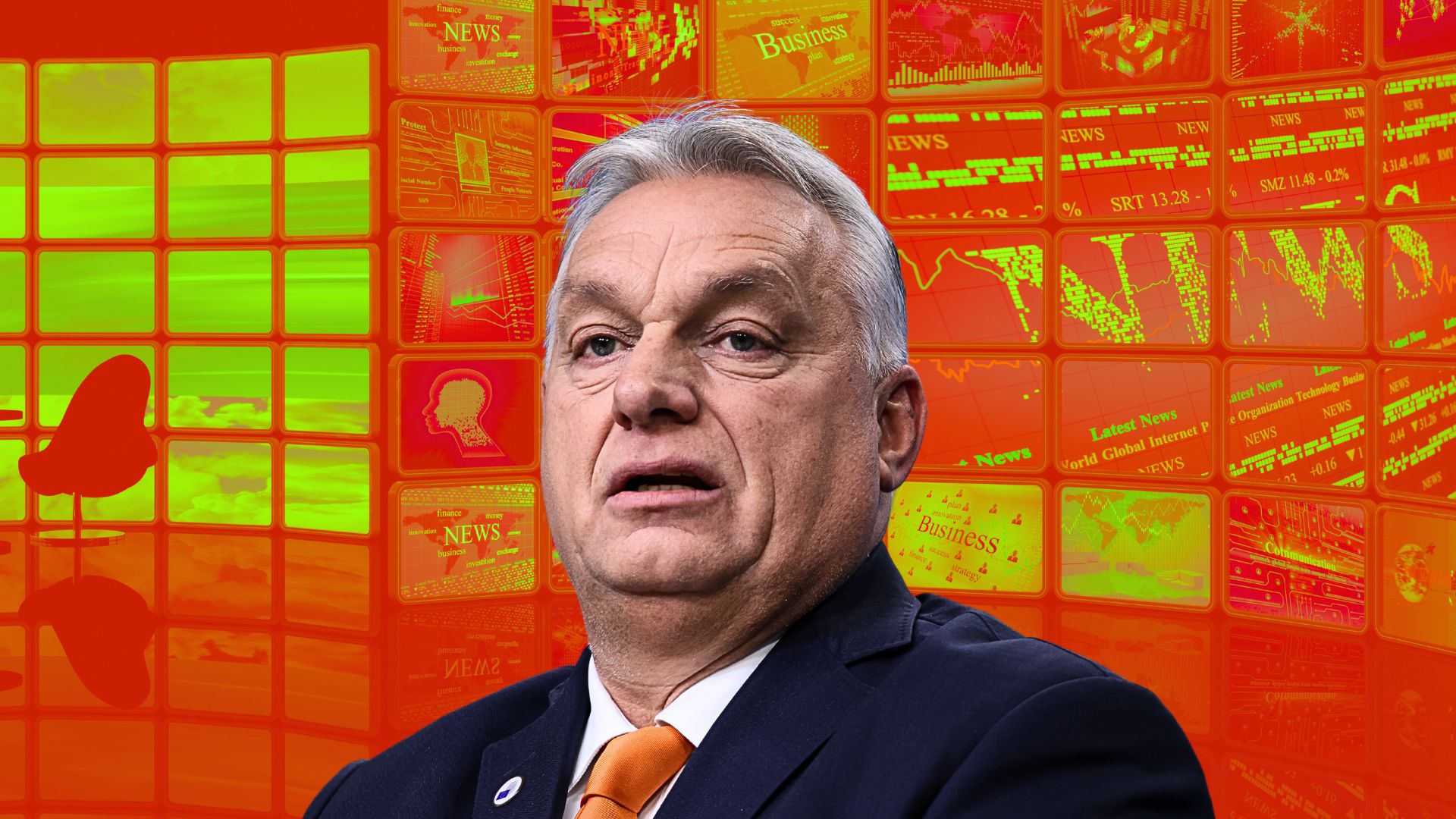
Hungary’s Vulnerability to Disinformation: A Looming Threat to Democracy
Budapest, Hungary – The January 23, 2025 hoax email incident, which triggered widespread panic across Hungary with threats of terrorist attacks, serves as a stark reminder of the nation’s vulnerability to disinformation campaigns. While the incident itself was quickly debunked, it exposed the susceptibility of the Hungarian public to manipulated narratives and the potential for such tactics to destabilize the country. This vulnerability, coupled with the declining popularity of Prime Minister Viktor Orbán, raises concerns about the potential exploitation of disinformation by pro-Kremlin actors seeking to influence the 2026 elections and bolster Orbán’s faltering political standing.
Orbán’s grip on power, once seemingly unassailable, has weakened in recent years due to a combination of economic challenges, accusations of corruption, and growing public discontent with his increasingly authoritarian style of governance. This decline presents an opportunity for external forces, particularly those aligned with Russia’s interests, to exploit the information landscape and manipulate public opinion. Disinformation campaigns, often disseminated through pro-government media outlets and online platforms, can effectively sow discord, amplify existing societal divisions, and erode trust in democratic institutions. The 2025 hoax email incident demonstrates how easily fabricated narratives can gain traction and generate real-world consequences, underscoring the urgent need for effective countermeasures.
The European Union, witnessing the erosion of democratic norms and the rise of disinformation within its member states, faces a critical challenge in addressing this escalating threat. Hungary’s case exemplifies the complexities of the issue, with pro-Kremlin narratives finding fertile ground in a media landscape largely dominated by pro-government voices. This media capture, characterized by the consolidation of media ownership under friendly oligarchs and the suppression of independent journalism, creates an environment conducive to the spread of disinformation and limits access to alternative viewpoints. The EU’s response must be multifaceted, encompassing both preventative and reactive measures to safeguard the integrity of its democratic values.
Strengthening media literacy and critical thinking skills among citizens is paramount. Educating the public to identify and critically evaluate information, particularly online, is essential to counter the insidious nature of disinformation campaigns. Promoting independent journalism and supporting investigative reporting can also play a crucial role in exposing disinformation networks and holding those responsible accountable. Additionally, the EU must develop mechanisms for rapid response and debunking of false narratives, ensuring that accurate information reaches the public swiftly and effectively.
Addressing the issue of media capture requires a more robust regulatory framework. The EU must enforce existing regulations concerning media ownership transparency and promote a diverse and pluralistic media landscape. Investigating and addressing instances of media manipulation, particularly those linked to foreign interference, is also critical. Financial support for independent media outlets can further enhance their resilience and capacity to counter disinformation campaigns.
Furthermore, cooperation with social media platforms is essential to combat the spread of disinformation online. While platforms have made some progress in identifying and removing malicious content, greater transparency and accountability are needed. Establishing clearer guidelines for content moderation and working collaboratively with platforms to develop effective mechanisms for flagging and removing disinformation can significantly reduce its reach and impact. The EU must also consider legislative measures to hold social media companies responsible for the spread of harmful content on their platforms.
Ultimately, combating disinformation requires a concerted effort from all stakeholders, including governments, civil society organizations, media outlets, and tech companies. The EU must take a proactive and decisive stance to protect its democratic values and institutions from this growing threat. Hungary’s vulnerability serves as a cautionary tale, highlighting the potential consequences of inaction and the urgent need for a comprehensive and coordinated response. The 2026 elections will be a crucial test for Hungarian democracy and a litmus test for the effectiveness of the EU’s efforts to counter disinformation.