


Russia Orchestrates Multi-Pronged Disinformation Campaign to Destabilize Europe and Undermine Ukraine Support
Kyiv – The Kremlin is actively engaged in a multifaceted disinformation campaign targeting both Europe and Ukraine, aiming to sow discord, undermine Western unity, and cripple support for Ukraine, according to Andriy Kovalenko, head of the Center for Countering Disinformation (CCD). This elaborate strategy involves bolstering Eurosceptic movements, exploiting social divisions within Ukraine, and leveraging a sophisticated network of intelligence agencies and online platforms to disseminate carefully crafted narratives. The ultimate goal, Kovalenko warns, is to create an environment conducive to the potential annexation of the Baltic states and the lifting of international sanctions crippling Russia’s economy.
Kovalenko revealed that Russian special services, including the Federal Security Service (FSB), the Main Intelligence Directorate (GRU), and the Foreign Intelligence Service (SVR), are operating extensively within Europe, actively identifying and supporting Eurosceptic politicians who seek to challenge the established structures of the European Union. These individuals, often driven by nationalist or populist agendas, serve as conduits for Russian influence, promoting narratives that amplify existing societal anxieties and sow discord among member states. By weakening European cohesion, the Kremlin hopes to erode the bloc’s resolve to continue providing crucial military and financial aid to Ukraine, thereby isolating the embattled nation.
Within Ukraine, the disinformation campaign is primarily focused on fostering division between civilians and the military, according to Kovalenko. This strategy aims to exploit war-weariness and potential grievances amongst the civilian population, creating an atmosphere of distrust and resentment towards the armed forces, which are the backbone of Ukraine’s defense against Russian aggression. The CCD head further cautioned that Russia will likely instigate and support protests, leveraging these demonstrations to amplify narratives portraying a fractured and unstable Ukrainian society, susceptible to Russian influence.
The intricate machinery of this disinformation operation is orchestrated by Sergey Kiriyenko, the first deputy head of the Russian presidential administration, who coordinates the activities of the various intelligence agencies. The FSB plays a crucial role in controlling the information landscape within Russia itself, suppressing dissenting voices and manufacturing a semblance of internal opposition. It is also tasked with recruiting operatives for sabotage activities within Ukraine and cultivating "fake opposition" groups within Europe, mirroring genuine grassroots movements but ultimately serving Russian interests.
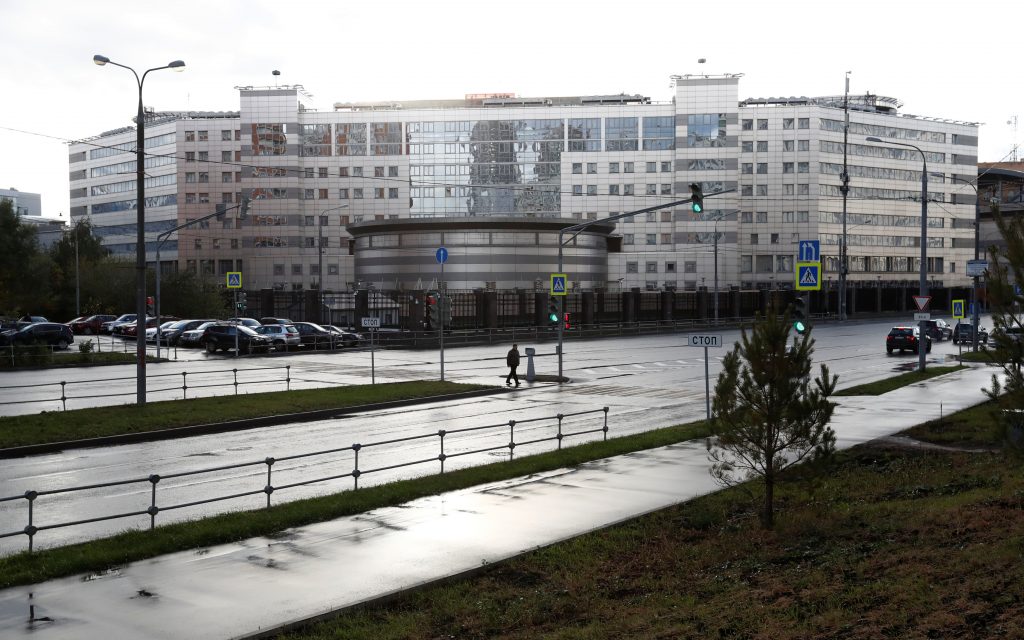
The GRU, renowned for its expertise in information-psychological operations, spearheads the offensive against both Ukraine and the West. They utilize a vast network of proxy groups in Europe and maintain a sophisticated online infrastructure encompassing platforms like Telegram, X (formerly Twitter), YouTube, and TikTok, as well as dedicated websites designed to disseminate disinformation. By employing seemingly independent bloggers and influencers, they further amplify their fabricated narratives and reach wider audiences, masking the true source of the propaganda. Similar to the FSB, the GRU also participates in recruiting individuals for sabotage operations within Ukraine.
The SVR, led by Sergey Naryshkin, focuses on diplomatic propaganda, targeting foreign media outlets and think tanks to disseminate alternative narratives that often portray Russia as a misunderstood actor on the world stage. They actively cultivate relationships with individual politicians, exploiting their influence to promote pro-Russian viewpoints. A central theme of their propaganda campaign is the dissemination of false allegations about "terrorist attacks" orchestrated by Ukraine, a strategy designed to discredit the Ukrainian government and stoke fear and mistrust amongst international partners.
Kovalenko further warned about specific disinformation campaigns, highlighting the SVR’s propagation of false narratives regarding "Ukrainian terrorists" and the imminent "division of Ukraine." These manufactured threats serve to paint a picture of a destabilized and dangerous Ukraine, potentially justifying further Russian intervention and undermining support for the country’s sovereignty. The CCD head emphasized the importance of maintaining vigilance and critical thinking in the face of such disinformation tactics.
The head of the CCD stressed the impending intensification of the information war, predicting a surge of disinformation activities throughout February, spring, and summer of 2025. He urged citizens to remain vigilant and exercise critical thinking, recognizing and rejecting manipulated narratives that aim to sow discord and undermine the collective support for Ukraine. This call for cautious evaluation of information is not just a recommendation; it’s a vital defense mechanism against the insidious nature of information warfare.
The CCD’s warnings offer a sobering assessment of the ongoing information war and the lengths to which the Kremlin is willing to go to achieve its geopolitical objectives. Understanding the multifaceted nature of this campaign, from its exploitation of existing social divisions to its sophisticated use of online platforms and proxy groups, is crucial to counteracting its effects. The anticipated surge in disinformation activities over the next year demands a unified front against manipulated narratives, reinforcing the importance of critical thinking, media literacy, and unwavering support for the truth.
Addressing these threats requires a multi-pronged approach. Strengthening the resilience of democratic institutions, fostering independent media, and promoting media literacy among citizens are crucial steps in countering disinformation campaigns. International cooperation and information sharing are also vital in exposing and dismantling the networks that propagate these harmful narratives. Finally, continued support for Ukraine, both militarily and financially, remains essential to thwarting Russia’s ultimate goal of destabilization and annexation. The coming year will be a critical period in this information war, and vigilance, critical thinking, and unwavering commitment to the truth will be the most effective weapons in the arsenal of democracy.
The complex interplay between the different Russian intelligence services highlights the sophisticated and coordinated nature of this disinformation campaign. The FSB’s focus on internal control and the creation of “fake opposition” complements the GRU’s external operations, which manipulate narratives and exploit social media platforms. The SVR’s targeting of foreign media and political figures completes the triad, creating a comprehensive network for disseminating pro-Russian propaganda and sowing discord among Ukraine’s allies.
The warning of an intensified information war in the coming year underscores the urgent need for heightened vigilance and countermeasures. Europe and Ukraine must prioritize strengthening media literacy, supporting independent journalism, and exposing disinformation campaigns. The continued unity of the international community in condemning Russia’s aggression and providing unwavering support to Ukraine remains crucial in combating this pervasive threat.
The long-term implications of this disinformation campaign extend beyond the immediate conflict in Ukraine. By undermining trust in democratic institutions and fostering societal divisions, Russia seeks to pave the way for a reshaped geopolitical landscape, one where its influence can flourish unchecked. The fight against disinformation is not simply about debunking false narratives; it is a fight for the very principles of democracy, truth, and freedom of information.
The CCD’s insights provide a critical roadmap for understanding and navigating the complex landscape of information warfare. By recognizing the Kremlin’s strategies and strengthening our own defenses, we can safeguard against the insidious erosion of truth and maintain a steadfast commitment to the values that underpin a free and open society. The fight against disinformation is a battle that demands vigilance, resilience, and the unwavering pursuit of truth.