


Duterte Supporters Resort to Disinformation Tactics Amidst ICC Arrest Warrant
MANILA, Philippines – Following the issuance of an International Criminal Court (ICC) arrest warrant for former president Rodrigo Duterte, a wave of online disinformation has emerged, portraying him as a frail victim of political persecution and falsely labeling his potential detention as "kidnapping." This orchestrated campaign, spearheaded by a pro-Duterte network that has remained active even after his presidency, echoes previous disinformation efforts observed during Vice President Sara Duterte’s political controversies last year. The resurgence of this network underscores its enduring influence and its capacity to rapidly mobilize in support of the Duterte family. This latest campaign not only targets the ICC and the Philippine Supreme Court but also seeks to discredit credible media organizations, further eroding public trust in established journalistic institutions.
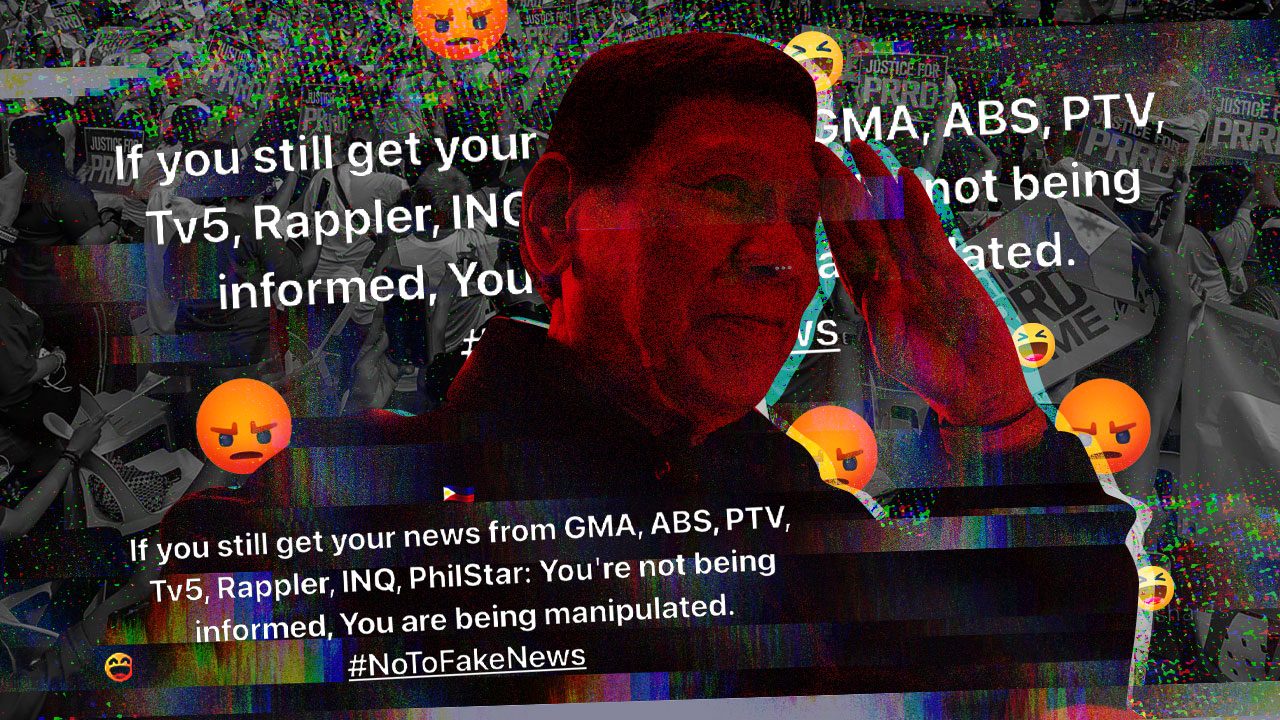
The disinformation campaign leverages a simple yet effective tactic: discrediting mainstream media outlets by labeling them as manipulative purveyors of biased information. Copy-pasted messages, widely disseminated across social media platforms, explicitly urge Duterte supporters to distrust specific news organizations, including GMA, ABS-CBN, PTV, TV5, Rappler, Inquirer, and PhilStar. These outlets, long targeted by pro-Duterte networks for their factual reporting that often contradicts the narratives propagated by these networks, are accused of pushing a hidden agenda. This tactic aims to isolate Duterte supporters within an echo chamber of pro-Duterte propaganda, shielding them from alternative perspectives and reinforcing their pre-existing biases.
The simplicity of the message contributes to its effectiveness. The posts lack complex arguments or justifications for distrusting these media organizations, relying instead on years of sustained disinformation that has already sowed seeds of skepticism towards what these networks derisively label as "mainstream media." This pre-existing distrust, cultivated over time, provides fertile ground for these simple, accusatory messages to take root and resonate with the target audience. The widespread dissemination of these identical messages across multiple accounts and platforms further amplifies their reach and reinforces their perceived legitimacy.
While some social media users have responded to these posts with ridicule and disbelief, as evidenced by the prevalence of "haha" reactions, a significant number have expressed agreement, indicating the continued susceptibility of a segment of the population to this type of propaganda. This polarization in reactions highlights the deep divisions sown by years of disinformation and the challenge of countering such narratives. The success of these campaigns relies on exploiting existing societal divides and fostering an environment of distrust towards established institutions.
The resurgence of this specific disinformation campaign, targeting established media outlets, is not unique to the Philippines. Similar tactics have been observed in other countries, as evidenced by a post from Spain targeting Western media. This suggests a broader pattern of coordinated efforts to undermine public trust in credible news sources. The repetition of this specific phrase across different contexts further suggests the potential for a coordinated campaign, possibly involving the sharing of tactics and messaging across different pro-authoritarian networks.
The timing of this disinformation campaign, coinciding with Duterte’s potential ICC trial, raises concerns about its potential impact on public opinion and the political climate in the Philippines. As the legal proceedings unfold, it is anticipated that these attacks against the media may intensify and evolve, necessitating vigilance from both media organizations and the public. Understanding the dynamics of these disinformation campaigns is crucial for effectively countering their influence and safeguarding the integrity of public discourse. The stakes are particularly high in the context of ongoing legal proceedings, where public perception can be easily manipulated by strategically disseminated disinformation. The media, the public, and relevant authorities must remain vigilant in identifying and debunking such tactics to ensure a fair and transparent legal process.