


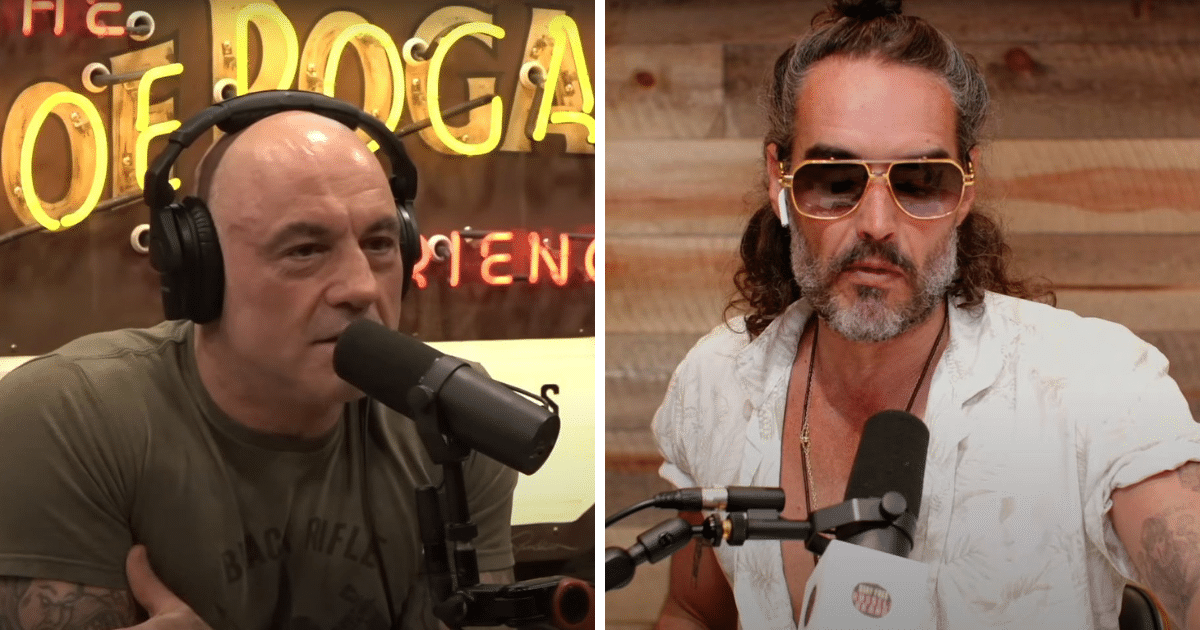
The Rise of Climate Misinformation on Popular Podcasts
The digital age has ushered in an era of unprecedented access to information, but it has also opened the floodgates to a deluge of misinformation, particularly regarding climate change. While outright climate denial has waned, a more insidious form of misinformation is gaining traction, often propagated by popular podcasters and online influencers. This "new denial" subtly undermines climate action by questioning the effectiveness of solutions, downplaying the urgency of the crisis, or even portraying climate change as beneficial. This narrative shift is particularly concerning as it targets the very foundations of climate action, creating confusion and hindering progress.
Research from Yale Climate Connections reveals a troubling trend: eight out of the ten most popular online shows, many of which are podcasts, have disseminated false or misleading information about climate change. This echoes findings from Media Matters for America, highlighting the growing influence of right-leaning personalities across digital platforms. These influencers often employ tactics that cast doubt on climate science and solutions, portraying climate activists as adherents to a "pseudo-religion" or suggesting that environmental policies are merely tools for government overreach. This rhetoric resonates with certain audiences, further polarizing the climate debate and obstructing effective action.
The insidious nature of this misinformation is compounded by the unique characteristics of the podcast medium. Podcasts often cultivate a sense of intimacy and authenticity, fostering a strong bond between host and listener. This perceived trustworthiness can make listeners more susceptible to accepting information presented, even if it lacks scientific basis. Unlike traditional news outlets, podcasts often lack the rigorous fact-checking and editorial oversight necessary to ensure accuracy. This creates an environment where misinformation can thrive, unchecked and unchallenged.
Furthermore, the funding sources of some of these platforms raise concerns about potential biases and agendas. Some prominent podcasts are backed by wealthy individuals or organizations with vested interests in downplaying the climate crisis. For instance, the Daily Wire, co-founded by Ben Shapiro, reportedly receives financial support from Texas fracking billionaires. Such connections raise questions about the objectivity and integrity of the information presented, highlighting the need for greater transparency and critical evaluation of media sources.
The impact of this misinformation extends to specific climate solutions, notably dietary change. Reducing meat consumption is a powerful individual action to mitigate climate change, yet widespread misinformation casts doubt on its effectiveness. Influential figures, such as Elon Musk and Joe Rogan, have publicly dismissed the link between meat consumption and climate change, contradicting scientific consensus. This rhetoric resonates with a public already hesitant to embrace dietary changes, perpetuating misconceptions and hindering the adoption of sustainable food choices.
The spread of misinformation on podcasts also exposes a broader trend of exploiting the medium’s perceived authenticity to promote specific narratives. The Epoch Times’ "Facts Matter" podcast, for example, presents itself as unbiased and objective, yet its content often reflects a clear political bias and promotes climate denial. This deceptive tactic underscores the importance of critically evaluating information sources, regardless of how credible they may appear.
While the prevalence of misinformation on popular podcasts is alarming, it’s important to note that not all podcasts contribute to this problem. Many podcasts provide valuable, evidence-based information on climate change and solutions. Podcasts also offer a unique opportunity for in-depth discussions and nuanced exploration of complex topics. However, the challenge lies in discerning credible sources from those peddling misinformation.
Combating the spread of climate misinformation requires a multi-pronged approach. Media literacy is crucial, empowering individuals to critically evaluate information and identify misleading content. Fact-checking organizations play a vital role in debunking false claims and providing accurate information. Podcast platforms also bear a responsibility to address the spread of misinformation on their platforms, potentially through stricter content moderation policies or by promoting credible sources.
In conclusion, the rise of climate misinformation on popular podcasts poses a significant threat to effective climate action. By exploiting the medium’s perceived authenticity and often lacking rigorous fact-checking, these platforms become breeding grounds for misleading narratives. Addressing this challenge requires a collective effort, involving informed individuals, responsible media platforms, and dedicated fact-checking organizations, to ensure that accurate information prevails and empowers effective climate action. Listeners must cultivate critical thinking skills and actively seek out diverse, credible sources of information to navigate the complex landscape of climate change discourse.