


Headline: “One, Big Beautiful Act” Reshapes American Healthcare and Fiscal Landscape: A Deep Dive into Medicaid and Medicare’s Transformation
Washington D.C. – Fireworks lit up the nation’s capital on Independence Day, not only in celebration of America’s freedom but also marking a pivotal moment in its healthcare and economic trajectory. President Donald Trump signed the “One, Big Beautiful Act” into law, enacting sweeping changes to the nation’s tax and spending policies, with a particular focus on reshaping the Medicaid and Medicare programs. The legislation, lauded by supporters as transformative and criticized by opponents as potentially disruptive, has ignited a national debate about the future of healthcare access and affordability. This in-depth analysis delves into the key provisions of the act, its potential impact on Medicaid and Medicare beneficiaries, and the perspectives of key players involved in its passage.
The “One, Big Beautiful Act” represents a significant departure from existing healthcare policies, introducing a series of reforms aimed at streamlining Medicaid and Medicare while addressing concerns about rising healthcare costs. While the full ramifications of these changes are yet to be seen, the act’s proponents argue that it will lead to greater efficiency, increased choice, and improved quality of care for beneficiaries. However, critics express concerns that the reforms could lead to cuts in benefits, reduced access to care, particularly for vulnerable populations, and increased financial burdens on individuals and states. The legislation mandates significant changes in Medicaid eligibility criteria, benefit packages, and funding mechanisms, prompting both excitement and apprehension among stakeholders.
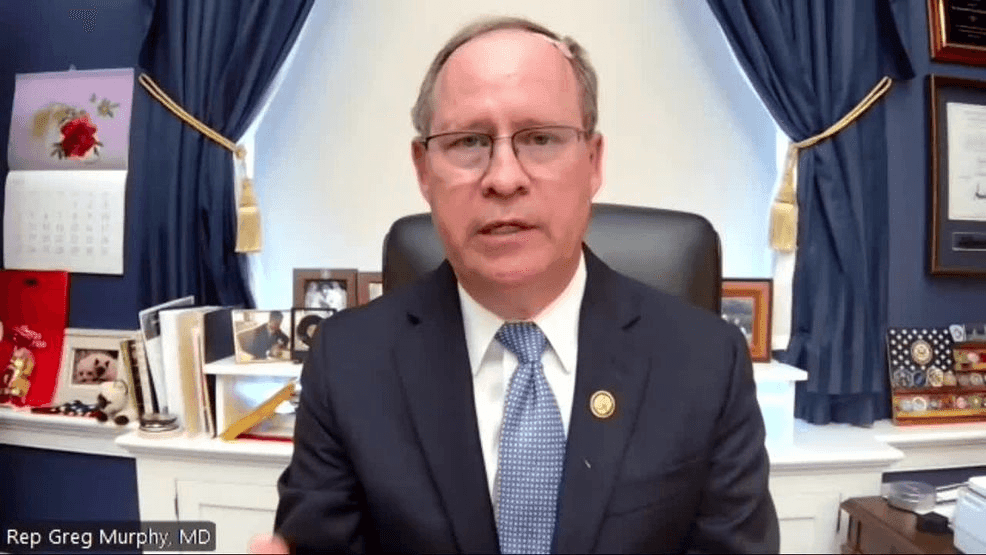
Congressman Greg Murphy, M.D., a vocal supporter of the act, emphasized the importance of separating fact from fiction amidst the swirling debate surrounding the legislation’s impact on Medicaid. He expressed concern about the spread of misinformation and stressed his commitment to ensuring accurate information reaches the public. “I think a lot of the issues with Medicaid are, sadly enough, being met with a lot of misinformation that’s going out,” stated Murphy. He highlighted his extensive consultations with leading healthcare experts and policymakers prior to casting his vote in favor of the bill. These consultations included discussions with the head of the Centers for Medicare & Medicaid Services (CMS), officials from the Department of Health and Human Services (DHHS) in Raleigh, North Carolina, representatives from the state’s hospital association, and even direct communication with the White House and President Trump.
Murphy underscored the collaborative nature of the process leading up to the bill’s passage, emphasizing his commitment to continued engagement with key stakeholders to ensure a smooth implementation of the new law. He specifically highlighted his intention to work closely with the head of the North Carolina hospital association to address the potential financial implications of the legislation for hospitals across the state. He pledged to act as a liaison between the hospitals and the federal government, advocating for the necessary funding to ensure the continued provision of high-quality care to North Carolinians. This collaborative approach, he argued, will be crucial in mitigating any potential negative impacts of the legislation and maximizing its potential benefits for patients and providers alike.
The “One, Big Beautiful Act” introduces a complex web of changes to Medicaid and Medicare, with potential implications for millions of Americans. The act revises Medicaid financing mechanisms, shifting towards a more block grant-based system, providing states with greater flexibility in managing their Medicaid programs. This shift aims to empower states to tailor their programs to the specific needs of their populations while promoting greater fiscal responsibility. However, critics argue that this could lead to reduced federal funding for Medicaid and potentially limit access to care for low-income individuals and families. The legislation also includes provisions aimed at modernizing Medicare, focusing on expanding access to telehealth services, promoting value-based care models, and addressing the rising cost of prescription drugs.
The long-term impact of the “One, Big Beautiful Act” on the American healthcare landscape remains uncertain. The success of the legislation will hinge on its implementation, the responsiveness of states to the new flexibility afforded to them, and the ongoing dialogue between policymakers, healthcare providers, and patient advocates. As the nation navigates this period of significant change, the debate surrounding access, affordability, and quality of care is sure to continue. The coming months and years will be critical in assessing the true impact of this landmark legislation and determining whether it delivers on its promise of a more efficient, effective, and patient-centered healthcare system.