


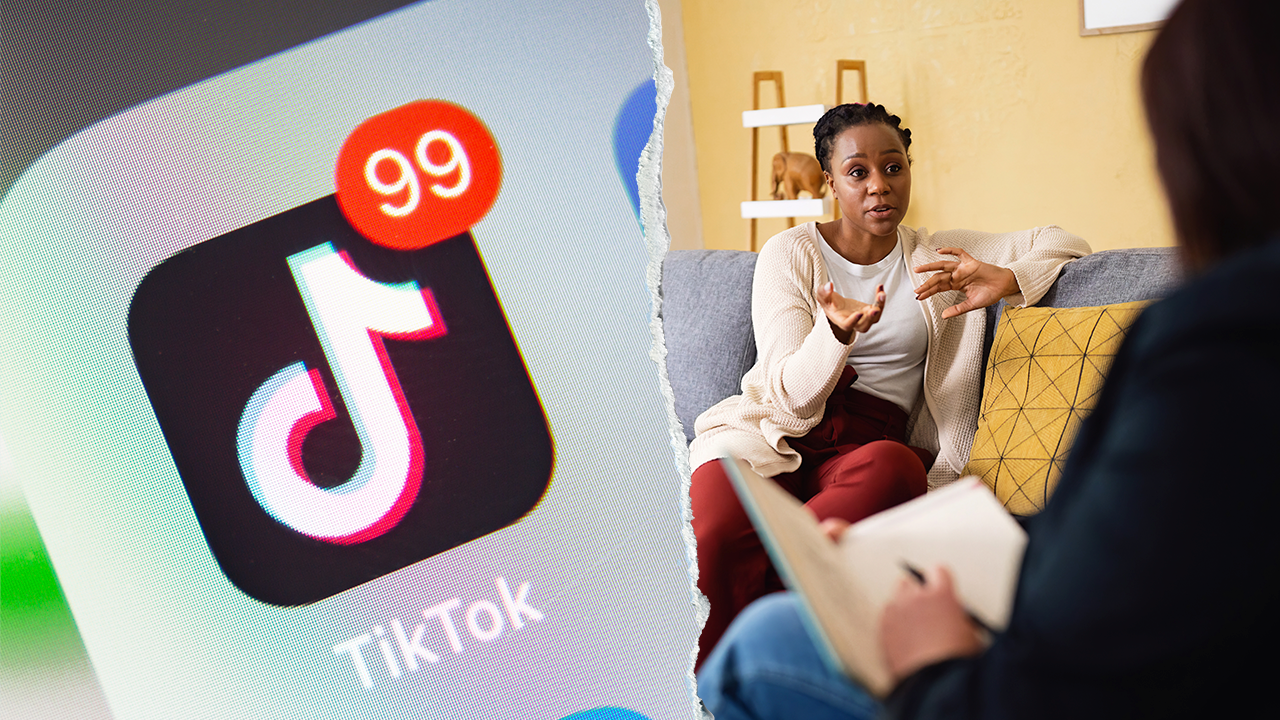
TikTok’s Mental Health Minefield: Misinformation Plagues Trending Advice Videos
The pervasive reach of TikTok, particularly among younger demographics, has transformed it into a hub for information dissemination on a vast array of topics, including mental health. However, a recent investigation has uncovered a concerning trend: a significant portion of the platform’s most popular videos offering mental health advice are riddled with misinformation, potentially jeopardizing the well-being of vulnerable users seeking guidance.
The Guardian conducted a comprehensive analysis of the top 100 TikTok videos tagged with #mentalhealthtips, enlisting the expertise of psychiatrists, academics, and psychologists to evaluate the content’s accuracy. The results were alarming: 52 out of the 100 videos contained misinformation, while many others offered vague or unhelpful advice. The misleading information ranged from promoting unproven supplements for anxiety to misrepresenting normal emotional experiences as symptoms of severe mental illnesses like borderline personality disorder.
This proliferation of misinformation raises serious concerns about the potential harm to TikTok users, especially those struggling with mental health challenges. Experts warn that such inaccurate advice could not only exacerbate existing conditions but also lead to misdiagnosis and inappropriate self-treatment. The oversimplification of complex mental health issues into easily digestible short-form videos further contributes to the problem, failing to capture the nuanced and individualized nature of mental health experiences.
TikTok’s algorithm, which prioritizes engagement and virality, exacerbates the spread of misinformation. Videos offering quick fixes and sensationalized content are more likely to gain traction, even if they lack scientific basis. This creates an environment where inaccurate advice can quickly reach a vast audience, potentially overshadowing evidence-based information and hindering access to proper care.
The Guardian’s findings have sparked calls for greater accountability from TikTok and other social media platforms in addressing the issue of misinformation. Experts emphasize the need for robust content moderation strategies that prioritize accuracy and responsible information sharing. Some argue that platform algorithms should be adjusted to prioritize credible sources and de-emphasize potentially harmful content. Furthermore, fostering media literacy among users is crucial to equip them with the skills to critically evaluate online information and seek guidance from qualified professionals.
TikTok has responded to the criticism by stating that it removes videos that discourage professional medical support or promote dangerous treatments. The platform also claims to direct users searching for mental health-related terms to resources provided by national health services. However, critics argue that these measures are insufficient to combat the widespread misinformation. The reactive nature of content removal, often relying on user reports, means that harmful videos can circulate widely before being taken down.
The debate surrounding TikTok’s role in disseminating mental health misinformation underscores the broader challenges posed by social media in the age of information overload. While these platforms offer unprecedented opportunities for connection and information access, they also present significant risks when it comes to the spread of inaccurate and potentially harmful content. Striking a balance between free expression and protecting users from misinformation requires ongoing dialogue and collaborative efforts between platforms, experts, and policymakers. The well-being of millions hinges on the ability to navigate this complex digital landscape responsibly and effectively.