


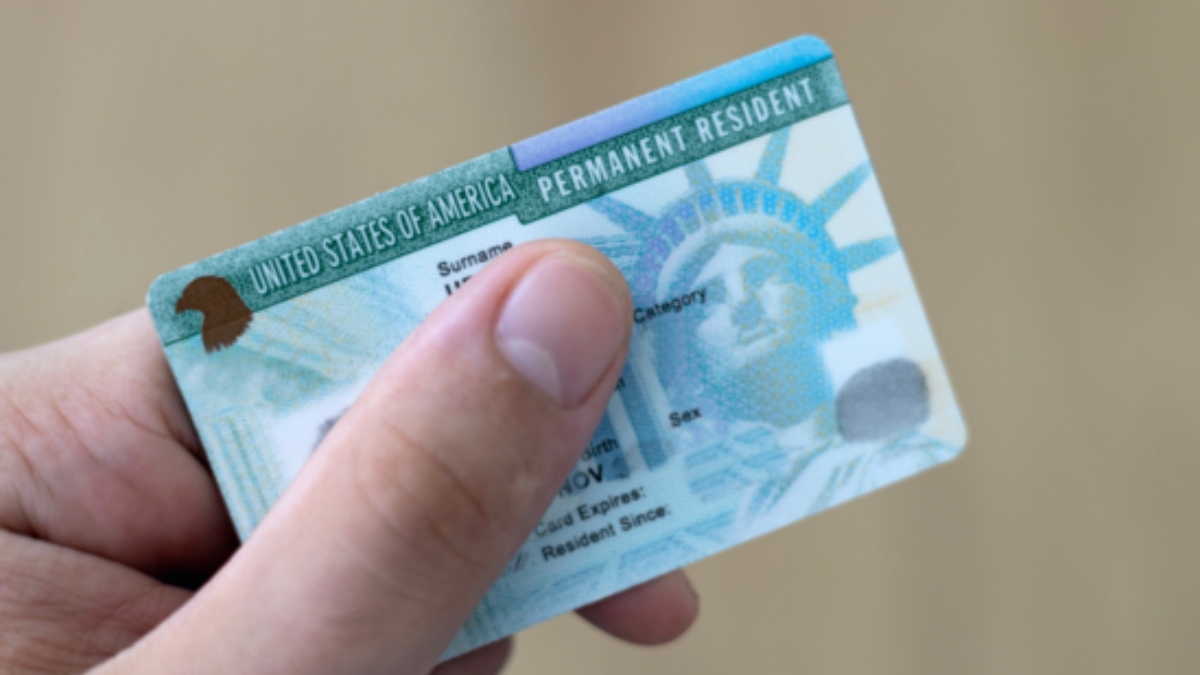
Trump Administration Proposes Social Media Scrutiny for Green Card Holders, Raising Concerns Over Free Speech and Privacy
The Trump administration has unveiled a controversial proposal that would require green card holders and applicants for permanent residency or asylum in the United States to surrender access to their social media accounts. This expansion of existing vetting procedures, currently applied to visa applicants residing abroad, has ignited a firestorm of debate concerning free speech, privacy, and the potential for discrimination. The proposal aligns with the administration’s broader efforts to tighten immigration controls and restrict access to the U.S., sparking particular concern among Indian nationals who constitute a significant portion of green card holders.
The new policy would mandate individuals already residing legally in the U.S. and seeking to adjust their immigration status to disclose their social media handles and platform names to the U.S. Citizenship and Immigration Services (USCIS). USCIS contends that this information is necessary to bolster identity verification, national security assessments, and public safety screenings. Critics, however, argue that this approach constitutes an overreach of government authority, intruding upon individuals’ private lives and potentially chilling free expression. The requirement to share social media data could deter individuals, especially those with dissenting political views, from participating in online discussions for fear of jeopardizing their immigration status.
For Indian green card holders, this represents a significant shift in the immigration landscape. Many Indians in the U.S. maintain active engagement in political discourse both in India and the U.S., often utilizing social media platforms to express their opinions. This new policy raises concerns about the potential for their online activity to be misconstrued or used against them in the immigration process. The fear of scrutiny and potential repercussions could lead to self-censorship, hindering open dialogue and stifling the free exchange of ideas.
The proposal extends beyond green card holders, also targeting individuals seeking asylum and applying for permanent residency. These groups, often fleeing persecution or seeking refuge in the U.S., may be particularly vulnerable to the implications of this policy. Requiring them to disclose social media accounts could expose them to further risks if their online activity reveals sensitive information or contradicts their asylum claims. Critics argue that this policy unfairly burdens those seeking protection in the U.S. and could deter individuals from seeking asylum altogether.
The administration’s move has been met with strong opposition from civil liberties advocates who argue that it violates fundamental rights and threatens the principles of free speech. They contend that the policy is overly broad, lacks clear guidelines, and has the potential to be applied discriminatorily. The vague criteria for reviewing social media data raise concerns about subjective interpretations and potential bias, particularly against individuals from certain countries or with specific political viewpoints. Critics argue that this expansion of government surveillance sets a dangerous precedent and undermines the very freedoms the U.S. purports to uphold.
This latest proposal is situated within a broader context of increasingly restrictive immigration policies under the Trump administration. The invocation of the Alien Enemies Act of 1798, a wartime authority granting the president expanded powers, further underscores the administration’s hardline stance on immigration. While the administration argues that these measures are necessary for national security, critics denounce them as discriminatory and harmful to vulnerable populations. The move to target individuals deemed "alien enemies," including members of the Venezuelan gang Tren de Aragua, further fueled the debate over the administration’s approach to immigration enforcement and the potential for overreach. The ensuing legal challenges highlight the ongoing tension between the executive branch’s efforts to tighten immigration controls and the judicial branch’s role in safeguarding constitutional rights.