


Singapore Grapples with Surge in Fake Social Media Accounts and AI-Generated Content Ahead of General Elections
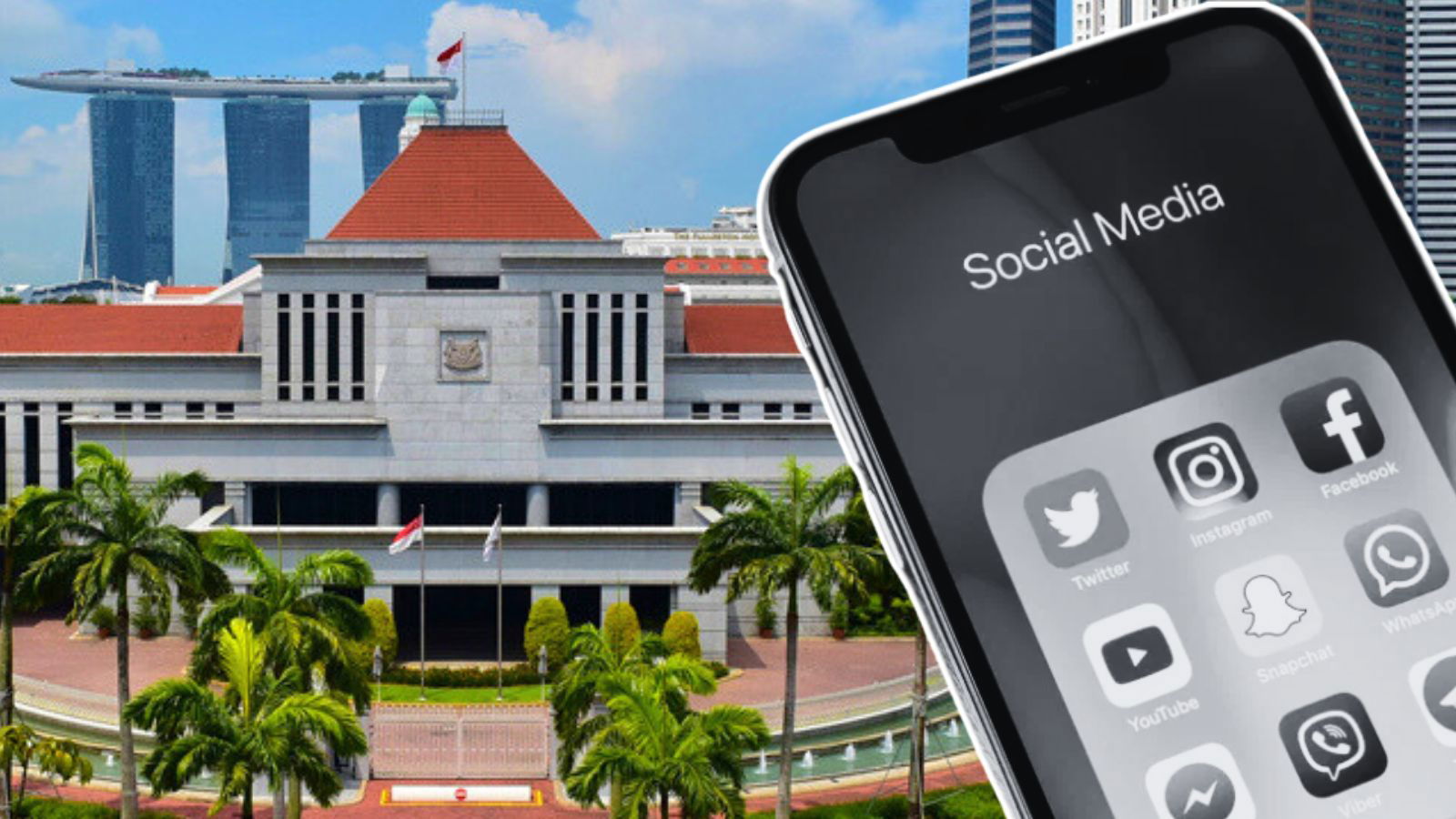
Singapore is facing a rising tide of disinformation and manipulation on social media platforms as the 2025 General Elections (GE2025) approach. A wave of fake accounts has emerged, spreading misleading content and targeting political candidates from various parties. These accounts, often created shortly after Nomination Day, employ tactics such as AI-generated images and fabricated narratives to deceive voters and undermine the integrity of the electoral process. This surge in online manipulation has prompted government authorities, including the Ministry of Digital Development and Information (MDDI), to launch investigations and strengthen monitoring efforts to combat the spread of falsehoods and potential foreign interference.
The proliferation of fake accounts and AI-generated content has significantly impacted the online landscape surrounding GE2025. Investigations by media outlets have uncovered at least 20 such accounts on Facebook and Instagram, actively disseminating negative and often false information about candidates. These accounts frequently employ AI-generated images to create convincing but ultimately fake personas, attempting to lend an air of authenticity to their deceptive activities. The use of AI-generated imagery represents a new and concerning development in online election manipulation, blurring the lines between reality and fabrication and making it increasingly difficult for voters to discern truth from falsehood.
The spread of disinformation has not been limited to fabricated content. News outlets have also reported a surge in negative comments targeting candidates from both the ruling People’s Action Party (PAP) and the opposition Workers’ Party (WP), originating from unverifiable Facebook accounts. This coordinated campaign of negativity raises concerns about organized efforts to manipulate public opinion and influence voter perceptions. The difficulty in verifying the identities behind these accounts exacerbates the challenge of addressing the issue and holding those responsible accountable.
The MDDI has responded to the escalating situation by pledging to investigate these online accounts and intensify its monitoring of the digital space for signs of foreign interference. The ministry has also committed to taking action against content that violates Singaporean law, emphasizing the importance of maintaining a fair and transparent electoral process. Recognizing the critical role of public awareness in combating disinformation, the MDDI has urged citizens to exercise critical thinking and carefully evaluate the information they encounter online. This appeal underscores the shared responsibility between government and citizens in safeguarding the integrity of the democratic process.
This recent surge in online manipulation is not an isolated incident. Former President Halimah Yacob recently fell victim to a deepfake video that circulated online, falsely depicting her making negative statements about the government. This incident highlighted the potential of deepfake technology to damage reputations and spread misinformation, particularly in the context of a politically charged environment. The incident prompted Madam Yacob to file a police report, underscoring the seriousness of the issue and the need for robust mechanisms to address such malicious activities.
In response to the increasing threat of manipulated media, the Elections Department of Singapore (ELD) has introduced new campaign guidelines for GE2025. These guidelines specifically prohibit the publication of digitally generated or manipulated online election advertising (OEA) that misrepresents a candidate’s speech or actions. The ELD’s proactive approach reflects a growing global awareness of the dangers posed by deepfakes and other forms of manipulated media in the context of democratic elections. The new rules empower candidates who are misrepresented by such content to formally request a review by the Returning Officer, providing a mechanism for addressing and rectifying instances of manipulation. The ELD’s move signals a commitment to upholding truthfulness and transparency in the electoral process, reflecting the gravity of the threat posed by manipulated media. The emergence of deepfakes and other AI-generated content represents a significant challenge to democratic processes, requiring ongoing vigilance and adaptation to safeguard the integrity of elections. As technology continues to evolve, so too must the strategies for combating disinformation and ensuring that the public discourse remains grounded in facts and verifiable information. The experiences of Singapore in GE2025 will undoubtedly provide valuable lessons for other nations grappling with similar challenges in the digital age.