


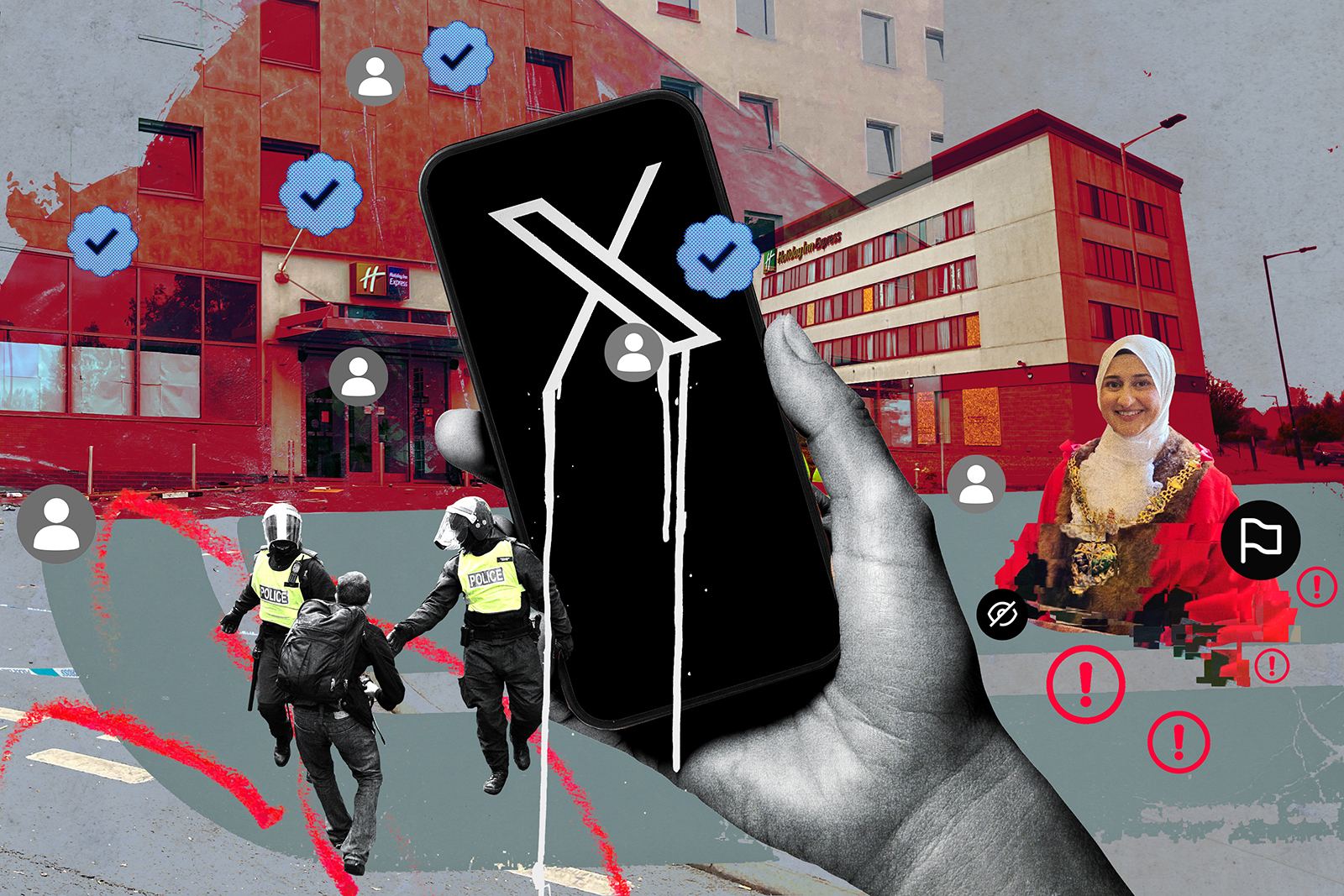
Online Disinformation Fuels UK Riots: Unchecked Hate Speech Amplifies Islamophobia
A parliamentary report has exposed the insidious role of online misinformation and “harmful algorithms” in fueling the devastating riots that gripped the UK in the summer of 2024. The report specifically identified several US-based social media accounts, including the prominent “End Wokeness” account, as key disseminators of false narratives that ignited social tensions and incited violence. These accounts, operating with seeming impunity from across the Atlantic, continue to spread hateful rhetoric targeting British Muslims and other minority groups, raising serious concerns about the efficacy of existing online safety regulations.
One of the most alarming revelations is the continued activity of the anonymous US-based X account whose disinformation about the Southport attacker was directly linked to the riots. Despite being flagged by MPs, this account has faced no repercussions and has since launched a hate campaign against Rotherham’s first female Muslim mayor, Rukhsana Ismail, spreading false claims about her inability to speak English and fueling Islamophobic sentiment. This incident, along with numerous others, underscores the urgent need for greater accountability and stricter measures to combat the spread of online hate speech, particularly when originating from outside UK jurisdiction.
Adding to the growing concern is the inaction of social media platform X in addressing a post that seemingly incites violence against then-Labour leader Keir Starmer. Despite assurances from X representatives to a parliamentary committee that the post would be reviewed, it remains online five months later, untouched and unaddressed. This inaction, coupled with the platform’s failure to effectively utilize its “community notes” feature to counter misinformation, raises serious doubts about its commitment to online safety and its willingness to cooperate with UK regulatory efforts.
The targeting of prominent British Muslims, including Ofsted leader Sir Hamid Patel and Brighton and Hove mayor Mohammed Asaduzzaman, by accounts like “Radio Genoa”—another US-based platform known for its anti-immigrant and anti-Muslim rhetoric—further highlights the escalating threat of online Islamophobia. The unchecked spread of hate speech on these platforms has created a breeding ground for real-world violence and discrimination, with replies to such posts often containing explicit calls for violence against Muslims. This alarming trend demands a more robust response from both social media companies and regulatory bodies to prevent online hate from translating into offline harm.
Experts warn that the continued proliferation of online disinformation, particularly targeting vulnerable communities, creates a dangerous climate ripe for further unrest. The 2024 riots serve as a stark reminder of the devastating consequences of unchecked online hate speech. The failure of social media platforms to effectively address this issue, coupled with the limitations of existing online safety regulations, leaves the UK vulnerable to further incidents of disinformation-driven violence.
The government faces a challenging task in balancing the need for stricter online safety measures with the potential for conflict with international counterparts, particularly the US. While the UK’s Online Safety Act empowers Ofcom to fine platforms for non-compliance, pressure from US officials raises concerns about potential pushback against efforts to regulate American tech companies. The UK must navigate this complex landscape carefully to ensure the safety and wellbeing of its citizens while upholding principles of freedom of speech and international cooperation. The escalating threat of online hate speech necessitates a robust and coordinated response, one that prioritizes accountability, transparency, and the protection of vulnerable communities from the insidious effects of online disinformation.